Elon Musk’s dream of reaching Mars in ruins after SpaceX Starship explodes again
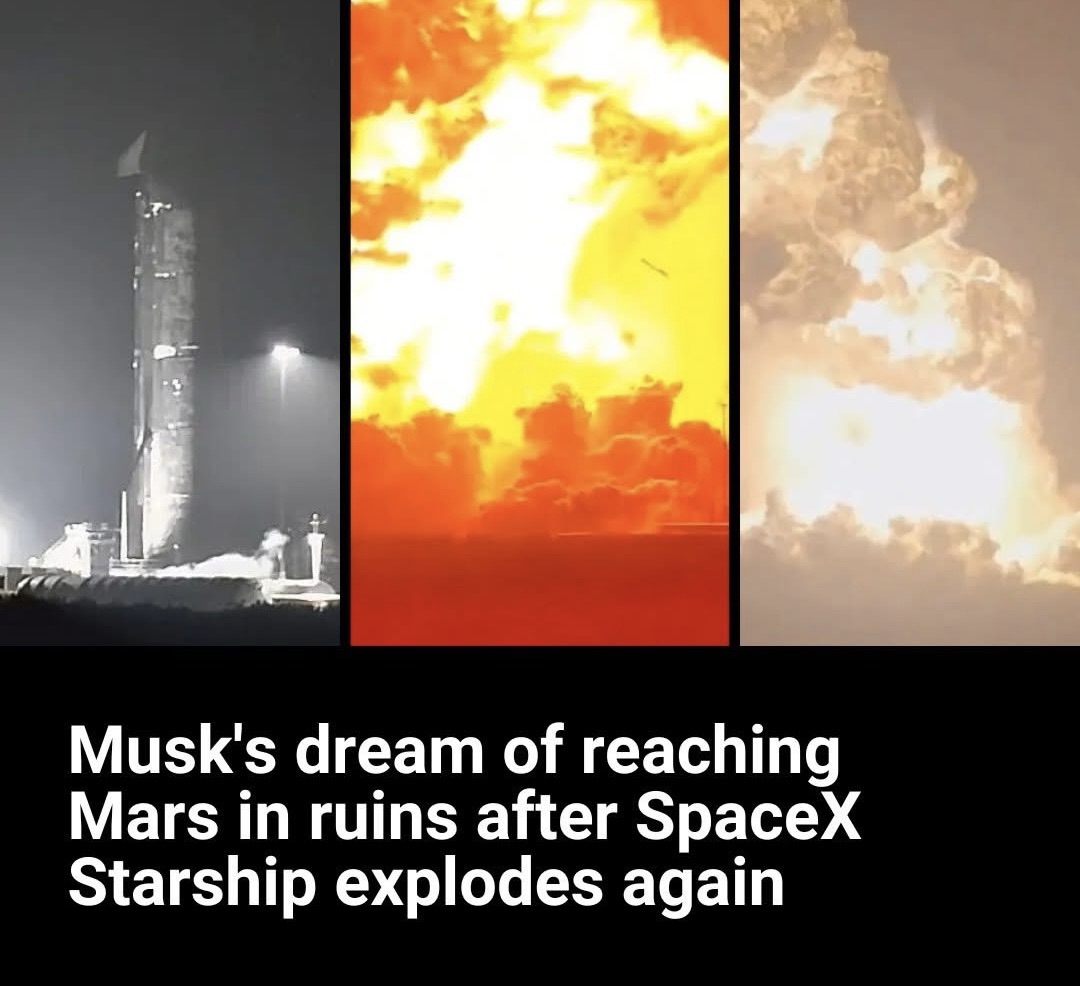
The world’s most powerful rocket has had yet another setback after exploding into a giant fireball during a routine test.
The SpaceX Starship burst into a flames at Elon Musk’s Starbase test site in Texas at 11pm local time (5am in the UK).
The Starship is all part of Musk’s dream to send humans to Mars, but its flights have also broken apart in mid-air.
This time, the rocket had not even left the ground but was undergoing a static fire test.
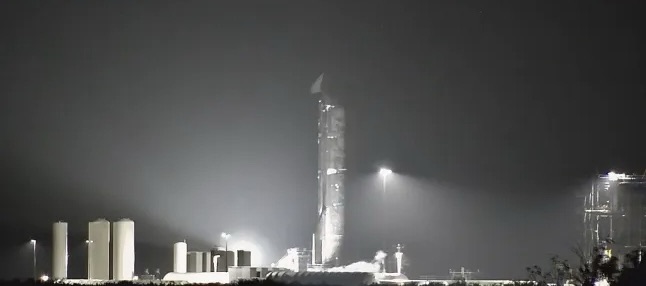
Video shows its nose suddenly bursting open with a huge ball of fire and smoke erupting from the blast.
A static fire test is a pre-flight procedure where the rocket’s engines are ignited while the vehicle is bolted to the launch mount.
SpaceX said their Starship 36 rocket had suffered a ‘major anomaly’, but that ‘all personnel are safe and accounted for’.
They added: ‘Our Starbase team is actively working to safe the test site and the immediate surrounding area in conjunction with local officials.
‘There are no hazards to residents in surrounding communities, and we ask that individuals do not attempt to approach the area while safing operations continue.’
However a loud rumble from the blast was felt by nearby residents, who reported their windows shaking and dishes rattling,
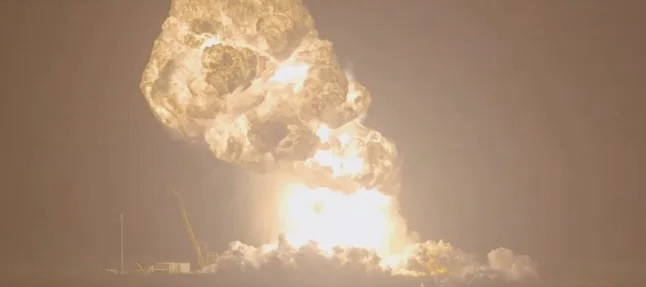
A routine test ended in a giant fireball (Picture: NASA SpaceFlight)
The Texas blast comes weeks after a Starship crash landed moments after take-off.
The rocket did reach space on May 27, but it began spinning soon afterwards and went out of control towards a crash landing in the sea
Its payload could also not be released because the door failed to open all the way.
SpaceX boss Elon Musk said it was still a ‘big improvement’ on the last launches, which ended with flaming debris dramatically raining down from the sky over the Atlantic.
Despite the setback, Mr Musk promised a faster pace in future with a Starship lifting off every three to four weeks for the next three flights.
The powerful rockets are a key part of Nasa’s plans to return humans to the Moon this decade, as well as potentially get to Mars after that.