Evidence appears to undercut claims against James, prosecutors found: Sources
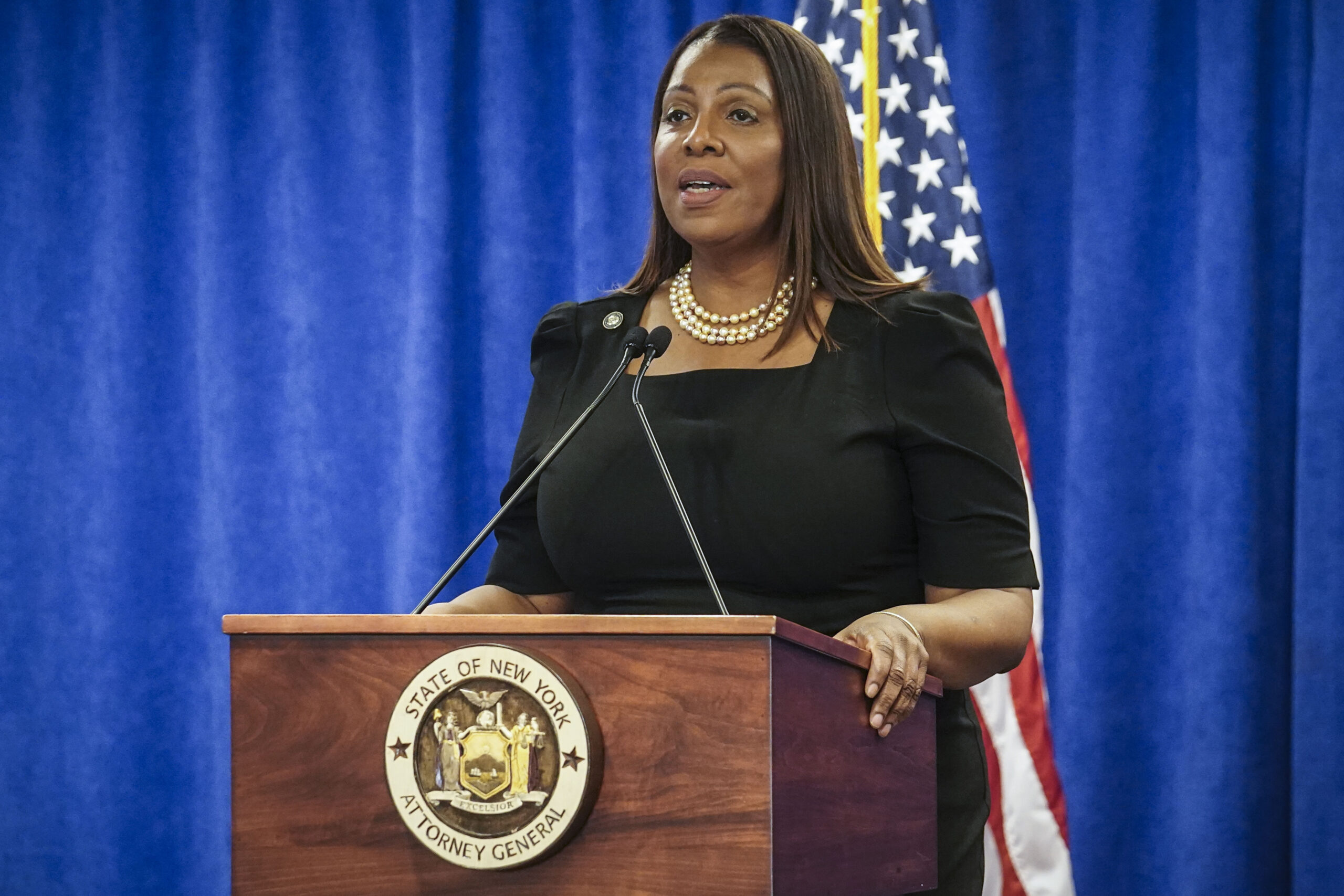
Prosecutors who investigated New York Attorney General Letitia James for possible mortgage fraud found evidence that would appear to undercut some of the allegations in the indictment of James secured earlier this month — including the degree to which James personally profited from her purchase of the property — according to a memo summarizing the state of the case in September, sources told ABC News.
Prosecutors who led the monthslong investigation into James’ conduct concluded that any financial benefit derived from her allegedly falsified mortgage would have amounted to approximately $800 in the year she purchased the home, sources said.
The government lawyers also expressed concern that the case could likely not be proven beyond a reasonable doubt because federal mortgage guidelines for a second home do not clearly define occupancy, a key element of the case, according to sources.

New York AG Letitia James speaks out on federal indictment: ‘I will not bow’
Prosecutors detailed the findings to the previous U.S. attorney, Erik Siebert, in an internal Department of Justice memo summarizing the status of the case early last month, according to sources familiar with its contents. Siebert was ousted by President Donald Trump last month after refusing to seek charges against James amid what critics call Trump’s campaign of retribution against his perceived political foes.
“I want him out,” Trump said the day before Siebert was ousted, telling reporters that it was because Virginia’s two Democratic senators supported his nomination. Of James, Trump said, “It looks to me like she is very guilty of something, but I really don’t know.”
Interim U.S. Attorney Lindsey Halligan — who Trump appointed with the explicit mandate of bringing charges against James and others — secured an indictment against James earlier this month on charges of bank fraud and making false statements to a financial institution.
Last week Halligan abruptly fired the author of the memo, career prosecutor Elizabeth Yusi, in part due to her resistance to bringing the case against James, sources said.

Yusi did not immediately responded to a request for comment from ABC News. A DOJ spokesperson and attorneys for James declined to comment.
James, who has denied all wrongdoing, is set to appear in federal court in Norfolk on Friday to be arraigned.
According to the indictment, James falsely described the property as a second home but used it as an “investment property” rented to a family of three. The grand jury alleged James collected thousands of dollars in rent and would have saved $17,837 over the life of the mortgage versus a loan at a higher rate.
Halligan described the alleged offenses as “intentional, criminal acts and tremendous breaches of the public’s trust” in a statement earlier this month.
However, according to sources familiar with the matter, a memo sent last month to Halligan’s predecessor by prosecutors struck a notably softer tone.
The memo stated that in 2020, James purchased a home in Norfolk, Virginia, for $137,000 for her great-niece and immediately allowed her and her children to live there rent-free. Prosecutors interviewed the niece, who said she never signed a lease, never paid rent, and that James often sent her money to help cover household expenses, according to the sources.
Although the indictment claims James earned “thousands” in rental income, sources told ABC News that prosecutors found no evidence she collected rent beyond $1,350 reported on her 2020 tax return—an amount said to reflect utility costs.
As of last month, investigators had interviewed ten witnesses, who offered differing views on whether James’ actions amounted to fraud or how much she actually benefited from them, sources said.
According to those familiar with the case, James made a 20% down payment on the Norfolk property—consistent with requirements for an investment property—rather than the 10% typically required for a second home loan.

A loan officer who assisted James told investigators that, at the time, interest rates for second homes were between 0.25% and 0.50% lower than those for investment properties—a difference that could reduce a monthly payment by $15 to $30, or roughly $10,800 over a 30-year loan. The indictment, however, claims James avoided a 0.815% higher rate, saving her an estimated $17,837 over the loan’s lifetime.
Prosecutors also noted, according to sources, that the ambiguity of federal mortgage guidelines could make it difficult to prove James intentionally committed fraud by falsely claiming she planned to occupy the home. Fannie Mae rules do not clearly define what “occupied” means—whether it requires overnight stays or simply periodic visits.
Witnesses told investigators that James had informed realtors and loan officers the house was for her niece but that she would use it occasionally when visiting family in Virginia. Her niece confirmed that James visited several times a year but never stayed overnight.
Prosecutors argued that since James stayed in hotels during her visits rather than at the property, she could not be considered an “occupant,” undermining her claim that the house qualified as a second home.











Post Comment