Fashion in the 1960s: A Year-by-Year Evolution
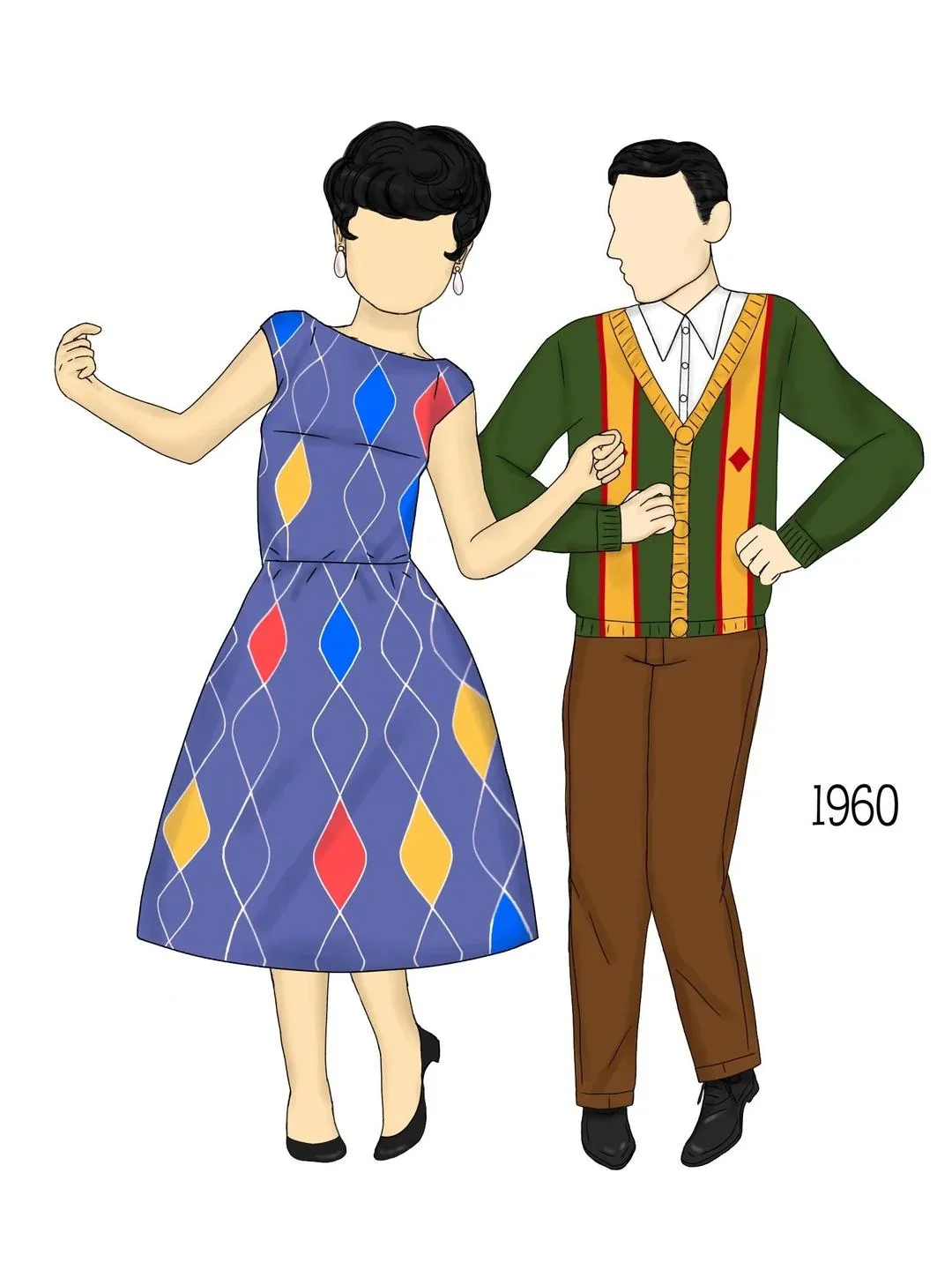
The 1960s were a revolutionary decade for fashion, defined by vibrant colors, bold patterns, and a break from the conservative styles of the 1950s. From mod mini-skirts to psychedelic prints, fashion in the 60s reflected the era’s cultural upheaval, youth rebellion, and social change. Let’s take a closer look at how fashion evolved throughout the decade.

1960–1962: Early Sixties Elegance
The early 1960s were still heavily influenced by the elegance of the 1950s. Women wore tailored dresses, pencil skirts, and fitted jackets, often accessorized with gloves, hats, and pearls. Coco Chanel and Christian Dior continued to inspire with classic silhouettes. Men favored slim-fitting suits, narrow ties, and clean-cut hairstyles. The influence of Jacqueline Kennedy’s polished style cannot be understated—she became the ultimate fashion icon of this period.


1963–1964: The Rise of Youth Culture

By the mid-60s, the influence of young people on fashion became undeniable. The Mod movement emerged in London, favoring geometric patterns, bright colors, and short skirts. Mary Quant, the designer credited with popularizing the mini-skirt, redefined women’s clothing. Men embraced skinny trousers, polo shirts, and the iconic Chelsea boots. The Beatles also helped bring the “mop-top” haircut into mainstream culture.

1965–1966: Bold Prints and Psychedelia

During this period, fashion became increasingly experimental. Psychedelic prints, swirling patterns, and bold, clashing colors mirrored the growing counterculture movement. The hippie influence began creeping in, particularly in the United States, with flowing skirts, bell-bottoms, and peasant blouses. Men’s fashion also adopted bolder patterns and colors, moving away from traditional conservative suits.

1967: The “Summer of Love”
1967 marked the height of psychedelic fashion. Tie-dye shirts, paisley prints, and ethnic-inspired clothing dominated both the streets and music festivals. Accessories like round sunglasses, headbands, and beads became popular. This year also popularized the unisex approach to clothing, with both men and women experimenting with loose, colorful garments.

1968–1969: From Mod to Hippie

As the decade drew to a close, the Mod style softened into a more relaxed, bohemian look. Maxi skirts, bell-bottom pants, and kaftans became staples. Footwear evolved to platform shoes and clogs, while long hair and natural styles became a symbol of rebellion. Psychedelic and ethnic prints remained popular, reflecting the influence of global cultures. Men and women both embraced a freer, less structured style that would define the early 70s.












Post Comment