Former Prince Andrew’s Name Changed on Line of Succession in Latest Blow — and Yes, He’s Still in Line to the Throne
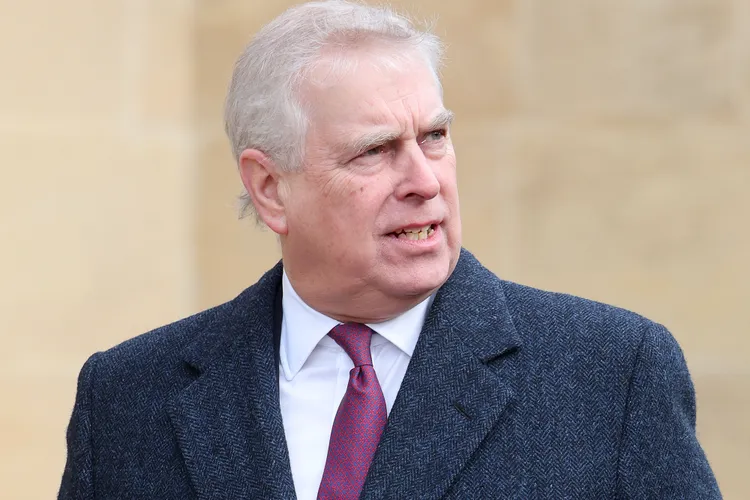
Prince Andrew Officially Loses His Titles — and His Place as “Prince” on the Royal Family Website
The change is now official.
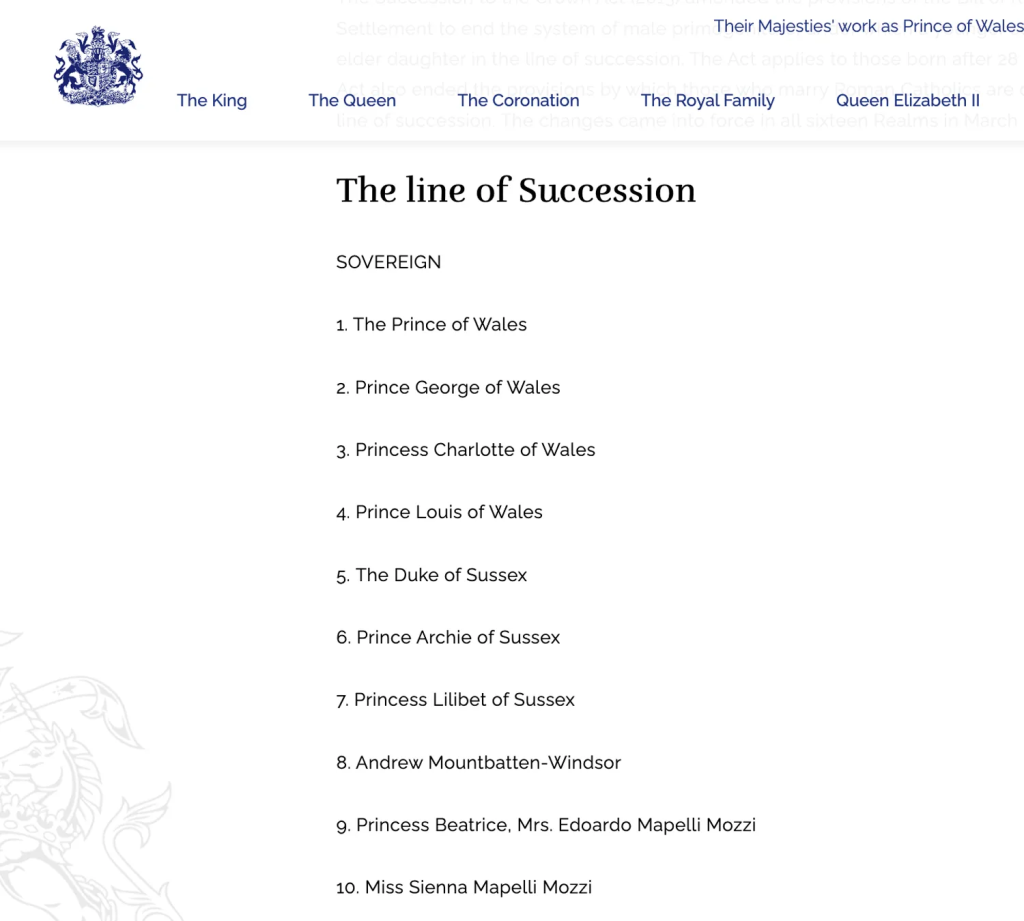
After months of speculation, the former Prince Andrew has been formally listed as “Andrew Mountbatten-Windsor” on the royal family’s official line of succession — marking the first time he’s appeared without any royal styling or title.
The update, made public on November 26, comes after King Charles III, 77, completed the process of stripping his younger brother of all royal titles and honors earlier this month. Andrew’s biography page was quietly removed from the royal website in early November, but until now, the succession chart had still described him as The Duke of York.
That has now changed.
A Royal by Blood, Not by Title
Andrew, 65, remains eighth in line to the British throne — behind Prince Harry’s children, Prince Archie, 6, and Princess Lilibet, 4 — despite the loss of his status. The position can only be removed by an Act of Parliament and approval from the Commonwealth realms where King Charles serves as monarch, according to the BBC.
When he was born, Andrew was second in line, immediately after his older brother Charles. But as Charles had children and grandchildren, Andrew’s place continued to drop — along with his public reputation.
The Fall from Grace
Once known for his military service and charity work, Andrew stepped back from royal duties in 2019 following his disastrous BBC Newsnight interview about his friendship with convicted sex offender Jeffrey Epstein.
In early 2022, Queen Elizabeth II stripped him of his military titles and royal patronages after a U.S. judge denied his attempt to dismiss a sexual-assault lawsuit filed by Virginia Giuffre. Andrew later settled the case out of court for an undisclosed sum, while maintaining his innocence.
Giuffre, who died by suicide earlier this year, alleged in a posthumous memoir that Andrew “believed having sex with me was his birthright,” describing encounters arranged by Epstein beginning when she was 17.
Recently leaked emails have also revealed that Andrew remained in contact with Epstein after publicly claiming to have cut ties — further intensifying the scrutiny.
A Rare Move in Royal History
Though unprecedented in modern times, Andrew’s removal from all titles follows royal tradition: King Edward VIII relinquished his place in the line of succession after abdicating in 1936, becoming the Duke of Windsor. And Prince Michael of Kent temporarily lost his spot after marrying a Catholic in 1978, only to be reinstated with the 2013 Succession to the Crown Act.
Life After the Palace
On October 17, Andrew announced that he would voluntarily give up his royal titles, but Buckingham Palace confirmed the decision was made official by Letters Patent on November 3.
Since then, the former prince has been spotted riding his horse at Windsor Castle — the first public sighting since losing his titles. Despite expectations that he will vacate Royal Lodge, the 30-bedroom mansion he’s called home for 20 years, sources say he has not yet moved to his new residence at Sandringham Estate.
For now, Andrew Mountbatten-Windsor remains a royal by blood alone — a titleless man living in the long shadow of the House of Windsor.











Post Comment