From Scottish Shores to Fifth Avenue: The Remarkable Immigrant Journey of Mary Anne MacLeod Trump, The Mother Of Donald Trump
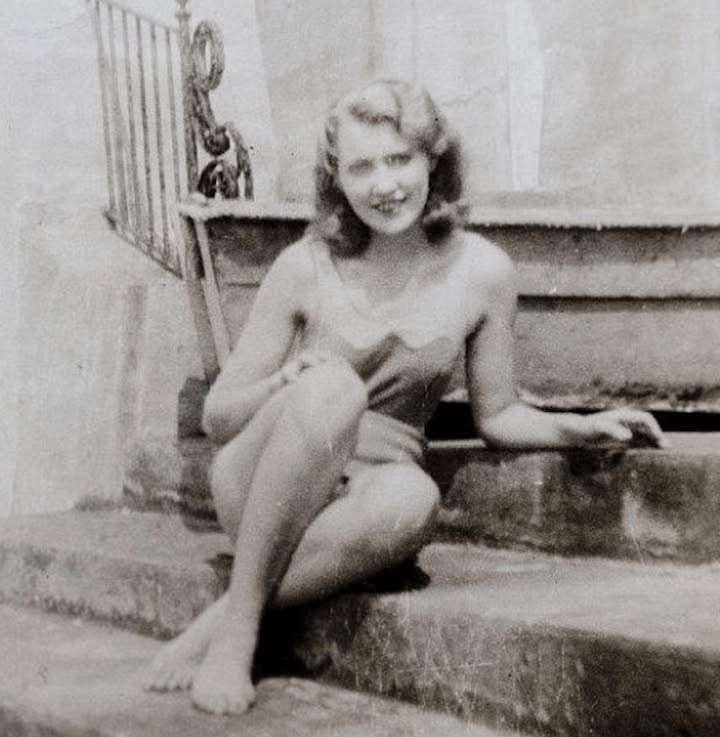
The Humble Beginnings of a Future First Mother
Before she was the mother of a future U.S. President, Mary Anne MacLeod Trump was simply a teenager from a tiny fishing village in Scotland with little more than dreams in her pocket and $50 in her handbag. She didn’t come from wealth. She didn’t have connections. What she had was grit—and an unshakable belief in a better future.
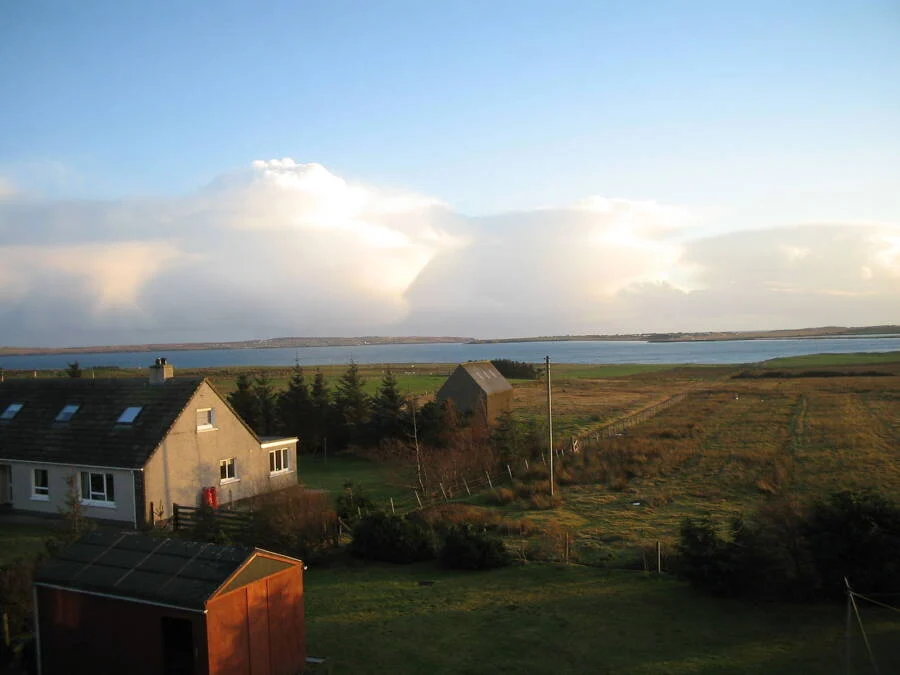
Born on May 10, 1912, in the rugged, wind-battered village of Tong on the Isle of Lewis, Mary Anne grew up in a modest stone house as the youngest of 10 children. Her father was a fisherman, her mother a homemaker. Life in the Outer Hebrides was harsh, with poverty and bleak economic prospects pressing down on nearly every family in the area. English was a second language for her; she grew up speaking Gaelic.
Yet even as war and scarcity cast shadows over her childhood, Mary Anne held fast to the idea that something brighter existed far across the ocean.
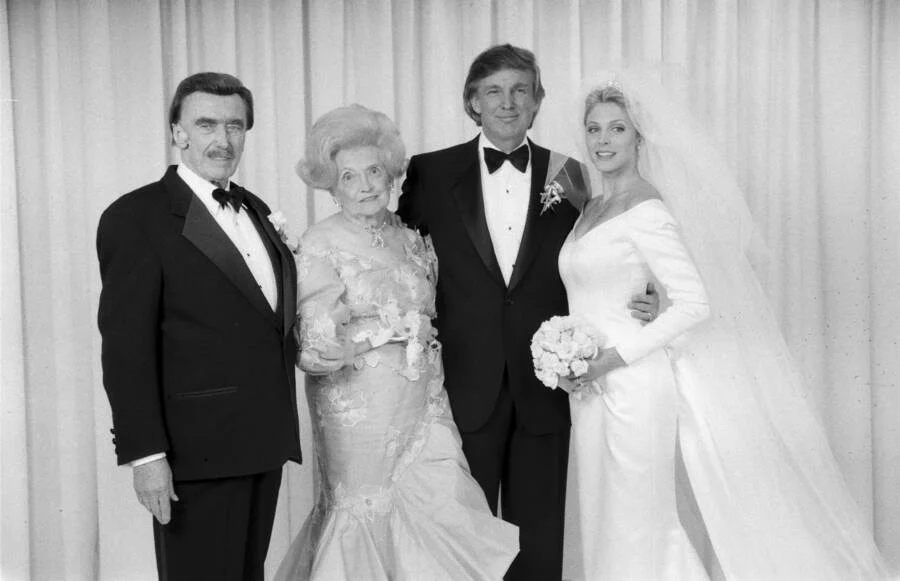
(Mary Anne MacLeod Trump and her husband attending Donald Trump’s wedding to Marla Maples on Dec. 20, 1993.)
Crossing the Atlantic: Chasing the American Dream
In 1930, at the age of 18, Mary Anne boarded a steamship bound for New York City, joining one of her sisters who had emigrated earlier. It wasn’t a glamorous voyage—her status was listed as “domestic worker,” and she arrived during the Great Depression with little financial security.
Still, she persevered. She moved into her sister’s home in Astoria, Queens, and soon found employment as a nanny for a wealthy Manhattan family. Even when jobs disappeared and money grew tight, Mary Anne never returned to hardship; she fought to stay and make something of herself in America.
Video: Meet Donald Trump’s Mother – Mary Anne MacLeod Trump, 1994
Chance Meeting That Changed Everything
Fate took a pivotal turn when Mary Anne met a young builder named Fred Trump at a party in the early 1930s. Fred, already an ambitious entrepreneur with a knack for real estate, was on the rise. Sparks flew between the two, and in 1936, they married in a modest ceremony at Madison Avenue Presbyterian Church.
The newlyweds honeymooned in Atlantic City before settling in Jamaica Estates, Queens. There, they built a life of growing wealth, expanding family, and increasing social prominence. Mary Anne had traded the cold winds of the Scottish isles for the manicured lawns of upper-middle-class New York.
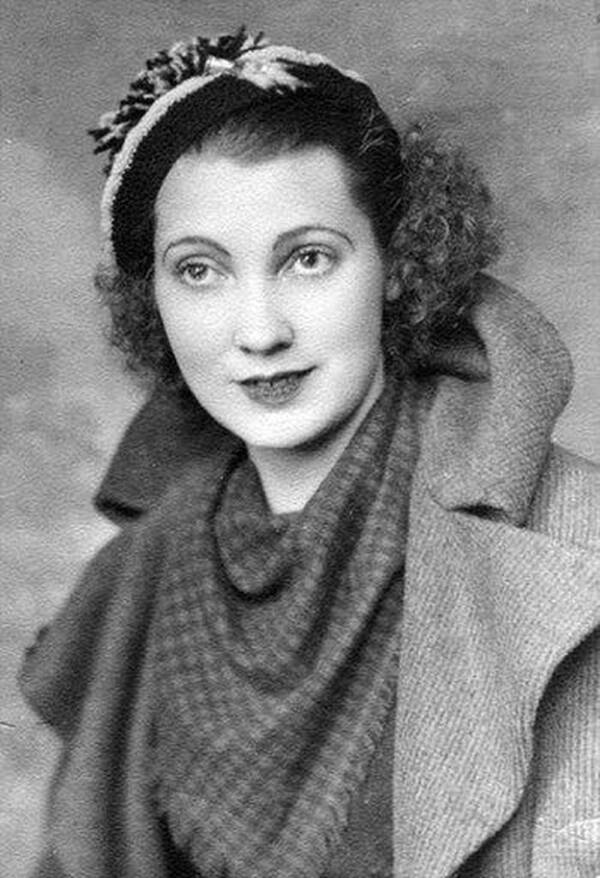
(Mary Anne MacLeod Trump left Scotland for New York City in 1930. She was 18 years old.)
From Immigrant Maid to Naturalized Citizen and Socialite
By 1942, Mary Anne officially became an American citizen. That same year, she gave birth to her third child, Elizabeth. Two years later, her fourth child, Donald John Trump, was born. But giving birth to her youngest, Robert, nearly cost her life. Complications led to an emergency hysterectomy and a series of surgeries, leaving lasting effects on her health.
Despite these setbacks, Mary Anne raised her children in a home steeped in discipline, tradition, and philanthropy. She was more than a housewife—she was an active member of New York’s charity circles, volunteering her time and energy at hospitals and community causes, including efforts to aid individuals with cerebral palsy and intellectual disabilities.
Though wealth followed the Trump family, Mary Anne never abandoned her charitable instincts. She didn’t seek media attention or extravagant praise. She wore designer clothes and attended elegant functions, yes—but she also sat beside hospital beds and helped in nurseries long after she no longer needed to.
She believed in giving back. And even when draped in furs and fine jewelry, she carried herself with the humility of someone who never forgot her roots
Video: Inside The Remote Scottish Town Where Trump’s Mother, Mary, Grew Up
Her Influence on Donald Trump’s Character
While Donald Trump has always been more publicly associated with his father’s hard-charging business style, he has also acknowledged his mother’s impact on his personality. In The Art of the Deal, he described her as having “a flair for the dramatic and grand” and credited her with shaping his showmanship.
Though he rarely speaks in depth about their relationship, it’s clear she held a revered place in his life. He named a room at Mar-a-Lago after her, displayed her portrait in the Oval Office, and used her Bible during his presidential inauguration in 2017.
Her elegance, her mystery, and her quiet command stayed with him—and perhaps even shaped the persona he would later project to the world.
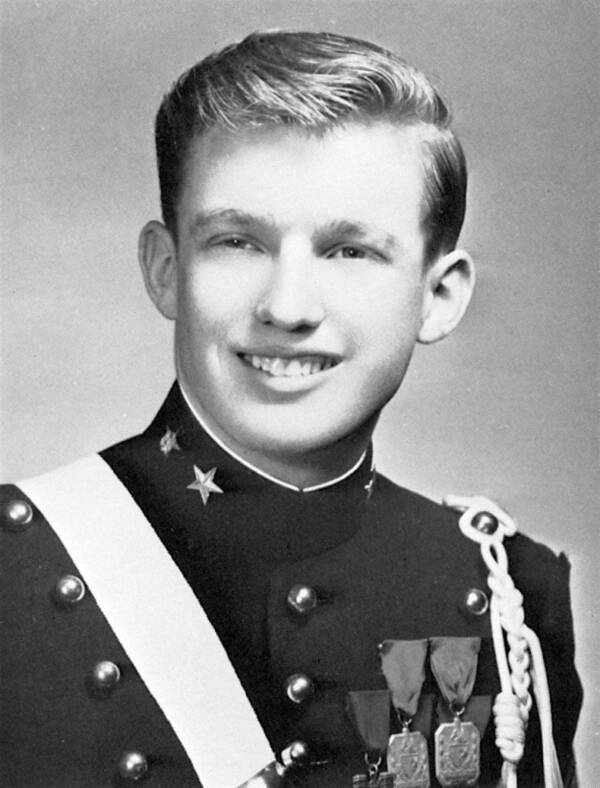
(A young Donald Trump at the New York Military Academy in 1964.)
A Life of Grace, Dignity, and Quiet Power
Mary Anne MacLeod Trump lived through world wars, economic collapse, personal health crises, and the rise of a family empire. Yet through it all, she maintained her grace. She never sought celebrity, even as her son became one. She stayed committed to her family, her values, and her charitable pursuits.
Her later years were spent traveling, relaxing, and watching her family expand in both fame and fortune. She passed away in 2000 at age 88, having lived a life that was unthinkable for the girl who left a remote Scottish village with nothing but hope.
She was laid to rest beside her husband and son, Fred Jr., in New York. The neighborhood surrounding their resting place—once unfamiliar territory for her—is now home to many immigrants just like the young Mary Anne once was.

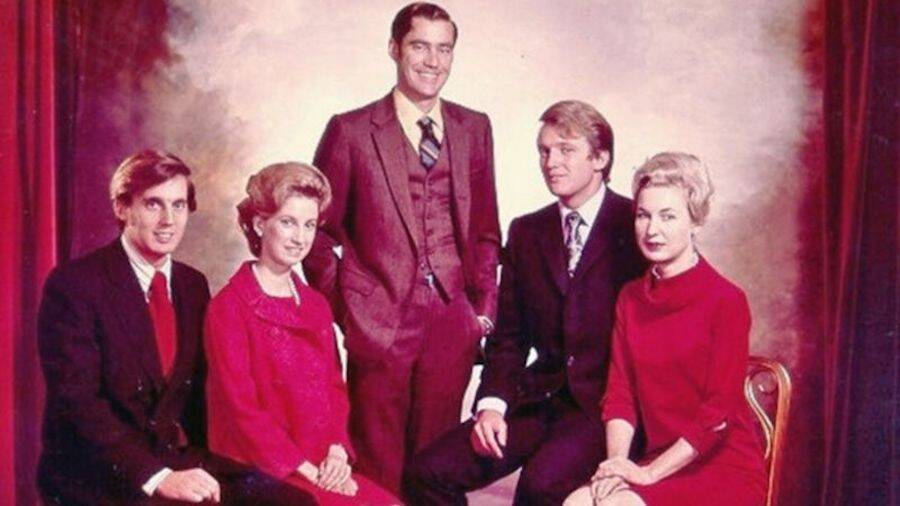
(The five Trump siblings: Robert, Elizabeth, Fred, Donald, and Maryanne.)
Conclusion: A True Embodiment of the American Dream
Mary Anne MacLeod Trump’s story is one of resilience, transformation, and grace. From the windswept shores of Scotland to the bustling avenues of New York City, she carved out a life filled with love, family, and service.
She wasn’t born into privilege, but she helped build it—and used it to help others. Her journey from working-class immigrant to First Mother is more than just a chapter in American history. It’s a reminder that the American Dream, though rare and hard-earned, can be real.
Her legacy isn’t just tied to her famous son—it lives on in the quiet strength, dignity, and compassion that defined her life.