Hamas Signals Conditional Acceptance of Trump’s 20-Point Gaza Plan, Agrees in Principle to Hostage Release
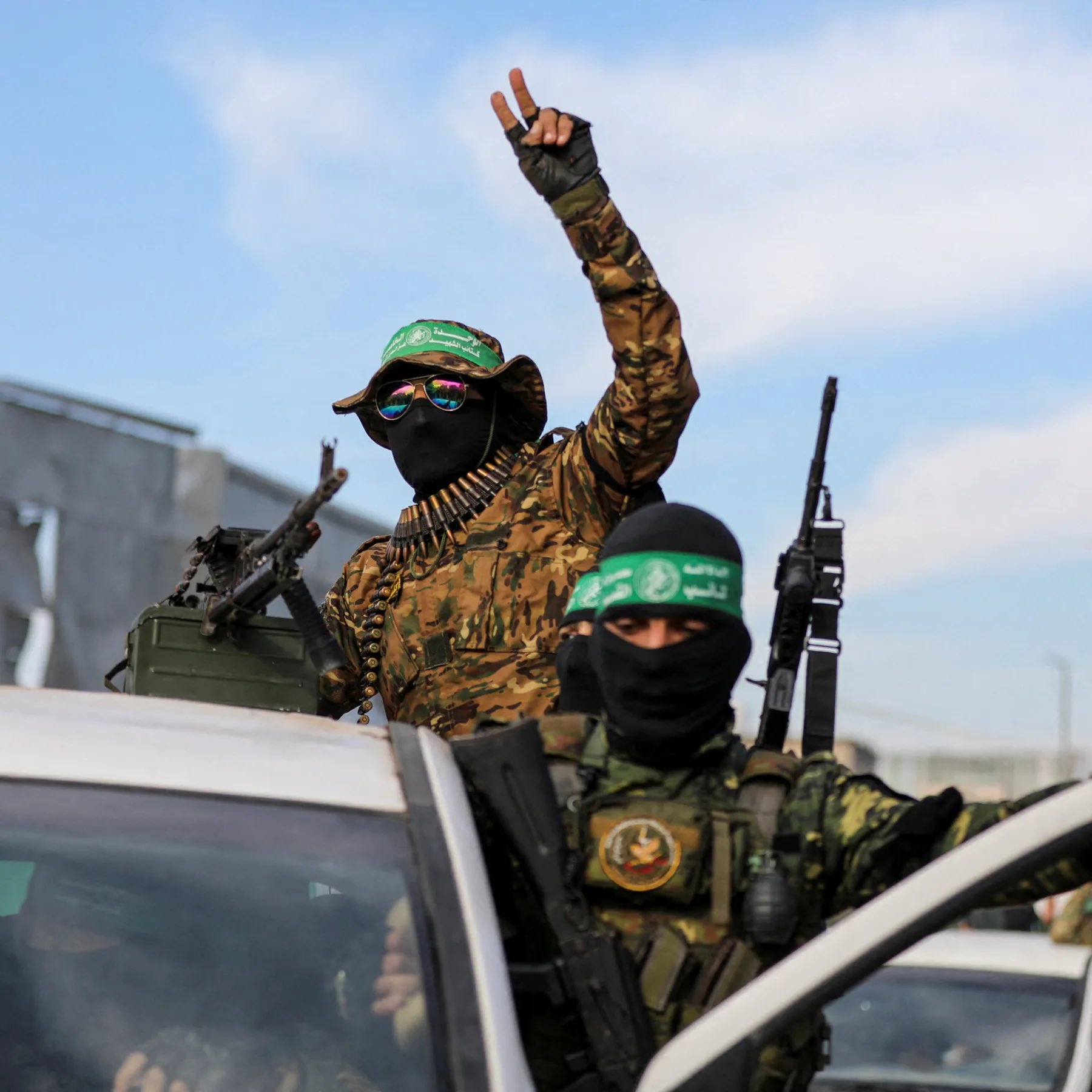
In a major shift in rhetoric, Hamas has announced that it will accept the release of all Israeli hostages — both living and deceased — under the framework laid out in U.S. President Donald Trump’s 20-point Gaza proposal, while also endorsing the idea of transferring Gaza’s administration to a technocratic Palestinian body with Arab and Islamic backing. Wikipedia+4Reuters+4Sky News+4
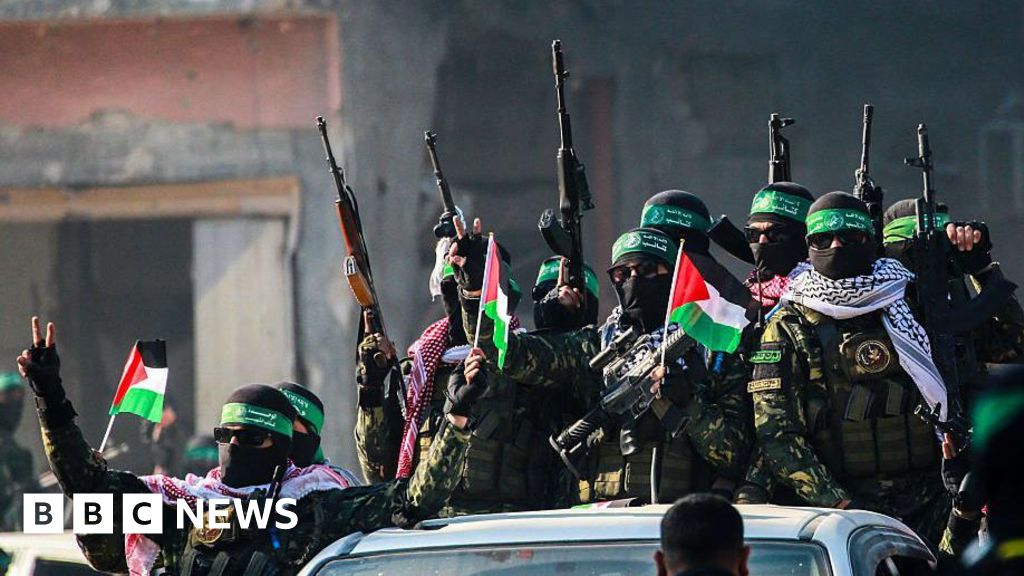
While Hamas voiced its willingness to move forward with mediated negotiations, it stopped short of fully committing to some of the plan’s more contentious conditions, particularly disarmament. Reuters+2Sky News+2
Key Elements of Hamas’s Response
1. Hostage Release Under Trump’s Formula
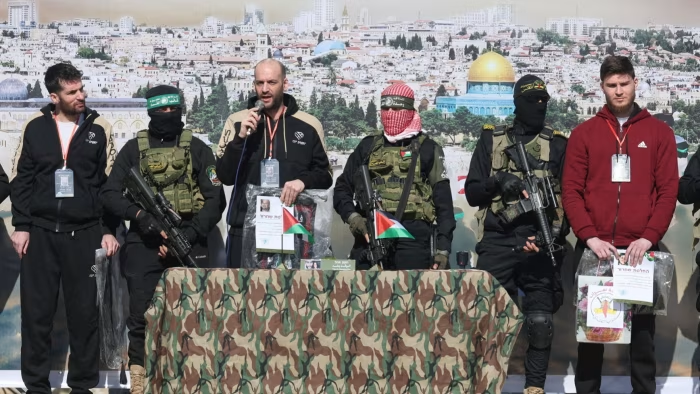
Hamas stated it “approves the release of all occupation prisoners — living and remains — according to the exchange formula contained in President Trump’s proposal, with the necessary field conditions for implementing the exchange.” Reuters
In other words, Hamas is accepting one of the central pillars of Trump’s plan: a full prisoner/hostage exchange.
2. Readiness for Negotiations via Mediators
Hamas affirmed that it is “prepared to immediately enter, through the mediators, into negotiations to discuss the details” of how the plan would be carried out. Reuters
3. Transfer of Gaza Administration to Technocrats
The group also expressed willingness to hand over administrative control of Gaza to a Palestinian body of independent technocrats, “based on Palestinian national consensus and supported by Arab and Islamic backing.” Reuters+2Wikipedia+2
This aligns with one of Trump’s proposals, which envisions Gaza being governed temporarily by a technocratic Palestinian entity rather than directly by Hamas. Wikipedia+2opb+2
Areas of Reservation & Unresolved Issues
Although Hamas accepted some parts of the plan, its statement left considerable ambiguity on several core issues:
- Disarmament: Hamas did not commit to disarm itself, a major demand from Trump, Israel, and other stakeholders. Reuters+2Sky News+2
- Phased Withdrawal vs. Immediate Withdrawal: The plan’s specification of a phased Israeli withdrawal was not explicitly endorsed by Hamas; earlier statements indicate that Hamas insists on a full withdrawal as a precondition. Wikipedia+3Reuters+3opb+3
- “Field conditions” qualification: The statement qualifies the hostages’ release as contingent upon “necessary field conditions,” which leaves room for Hamas to negotiate or delay based on security or logistical criteria. opb+1
These caveats are significant and suggest that Hamas regards the acceptance as conditional, rather than unconditional.
Reactions & Context
- Israel & Netanyahu
Israel—via Prime Minister Benjamin Netanyahu—has already endorsed the Trump plan, though with conditions and reservations of its own.
Netanyahu reportedly accepts a version of the plan but insists on security guarantees, demilitarization, and oversight. - International & Regional Actors
Many Arab states, especially mediators such as Egypt and Qatar, have been pressing Hamas to accept the plan. Wikipedia+3The Washington Post+3Financial Times+3
Some observers and aid groups see the plan as a diplomatic opening—a “window of opportunity” to end a devastating conflict. Reuters+2Wikipedia+2 - Skepticism and Challenges
Analysts warn that previous ceasefire or peace proposals have foundered on similar issues—trust, implementation, verification, timelines, and the sequencing of obligations.
Moreover, Israel and the U.S. may reject Hamas’s use of ambiguous terms or condition any agreement on stricter guarantees.
What Comes Next
If Hamas is sincere, the next phase is crucial:
- Mediated Negotiations
Hamas, Israel, U.S. officials, and Arab mediators will have to meet to translate the broad strokes into a binding agreement. Key sticking points will likely include the timeline and sequencing of withdrawals and disarmament, verification mechanisms, and security assurances. - Ceasefire & Hostage Exchange Implementation
The plan proposes an immediate ceasefire, followed by the simultaneous or staged release of all hostages (alive and deceased). The details of how this is done—and under what conditions—will decide whether the plan succeeds. - Transitional Governance in Gaza
Once hostages are exchanged, administrative control of Gaza would shift to the technocratic Palestinian body, under the supervision of Arab and Islamic states. The transitional governance structure will likely need robust international monitoring and legitimacy among Palestinians. - Long-term Security & Politics
A lasting peace would require dealing with deeper political questions: the status of Hamas, reconciliation with the Palestinian Authority, future elections, demilitarization, reconstruction, and how to prevent a return to conflict.












Post Comment