Some of Earth’s Most Extreme Cold May Be Headed for the U.S. in December
Brace yourself — winter may be coming early, and it could be brutal.
Meteorologists are warning that December 2025 could bring some of the coldest air on Earth down into parts of the United States, thanks to an old but powerful weather pattern: the polar vortex.
What Is the Polar Vortex?
The polar vortex is a massive, swirling pool of freezing air that normally sits high above the Arctic. It acts like a spinning lid, keeping the coldest air trapped near the North Pole. But sometimes, that lid weakens or wobbles — and when it does, frigid air spills southward into North America, Europe, or Asia.
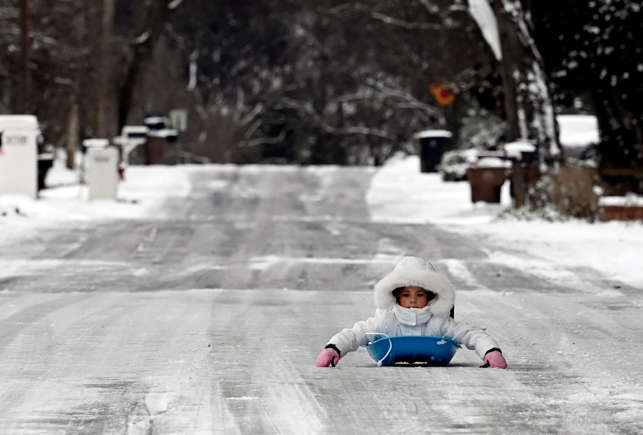
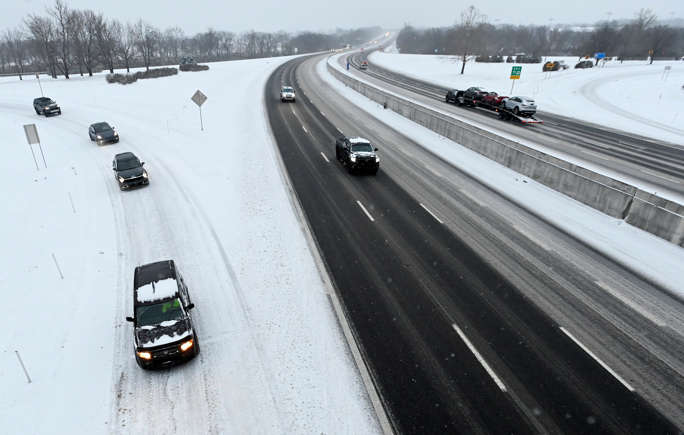
When this happens, temperatures across the U.S. can drop dramatically, leading to bitter cold snaps, heavy snowstorms, and dangerous wind chills.
According to the National Weather Service’s Climate Prediction Center, the pattern is already showing signs of weakening this winter — a classic setup for Arctic air to break free and rush south.
A Chilling December Forecast
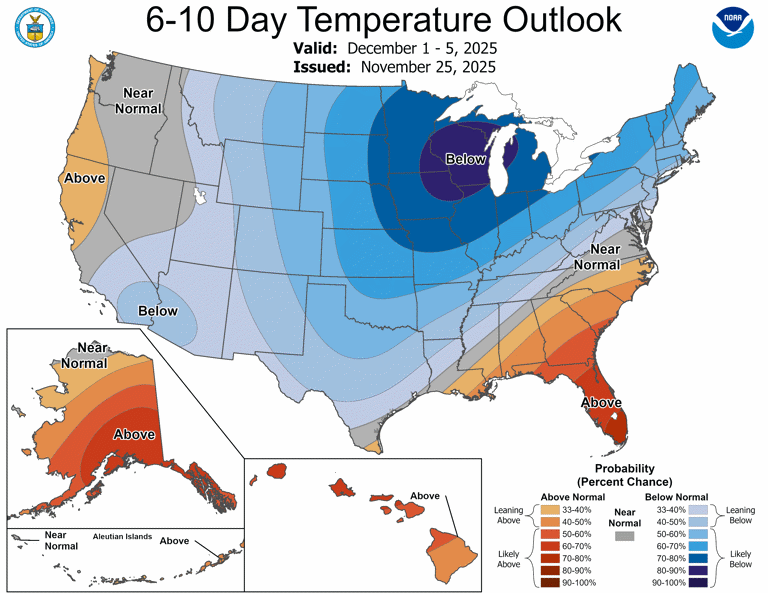
While long-range forecasts aren’t exact, meteorologists are increasingly confident that December will bring below-average temperatures to the northern and northeastern United States.
Unusually cold weather is expected to begin hitting the north-central U.S. during the first week of December. The cold is likely to deepen and expand as the month goes on.
Judah Cohen, a climatologist and research scientist at MIT, told USA TODAY:
“My thinking is that the cold the first week of December is the appetizer — and the main course will be in mid-December.”
If that prediction holds true, Americans from the Great Plains to New England could experience the kind of icy blast more typical of deep January.
What to Expect
- Northern Plains & Midwest: Expect wind chills well below zero, with snow and ice potentially disrupting travel.
- Northeast: Colder-than-normal temperatures with an increased chance of nor’easters later in the month.
- South & Southwest: More seasonal to mild weather, though sharp cold fronts can’t be ruled out.
Why It Matters
Beyond the discomfort, these extreme cold spells can strain energy systems, delay flights, and even affect crops and livestock. They can also trigger heavier-than-usual snowfall in areas bordering the Great Lakes, as Arctic air sweeps over warmer waters.
For most Americans, the message is simple: Get ready now. December could test even the toughest winter gear.












Post Comment