How Marie Antoinette became the most fashionable queen in history
London —
Marie Antoinette died over 230 years ago. But in the modern day, the teen queen’s presence remains widely felt.
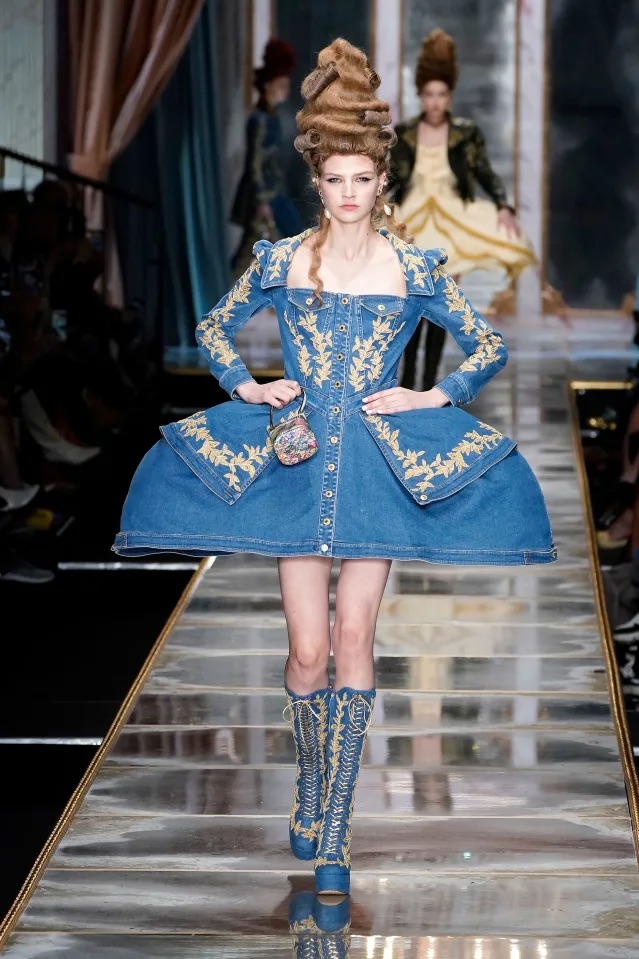
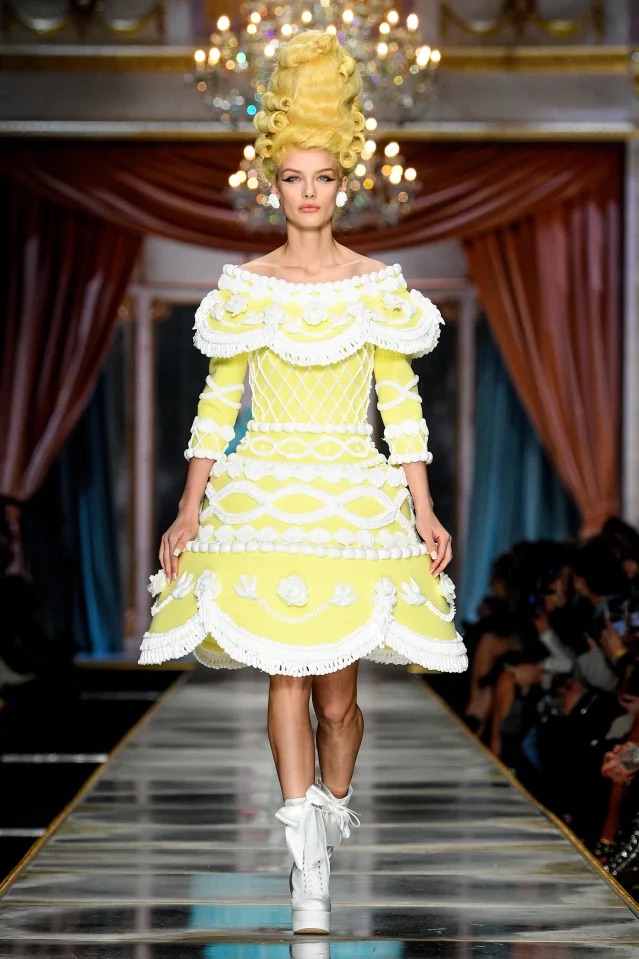
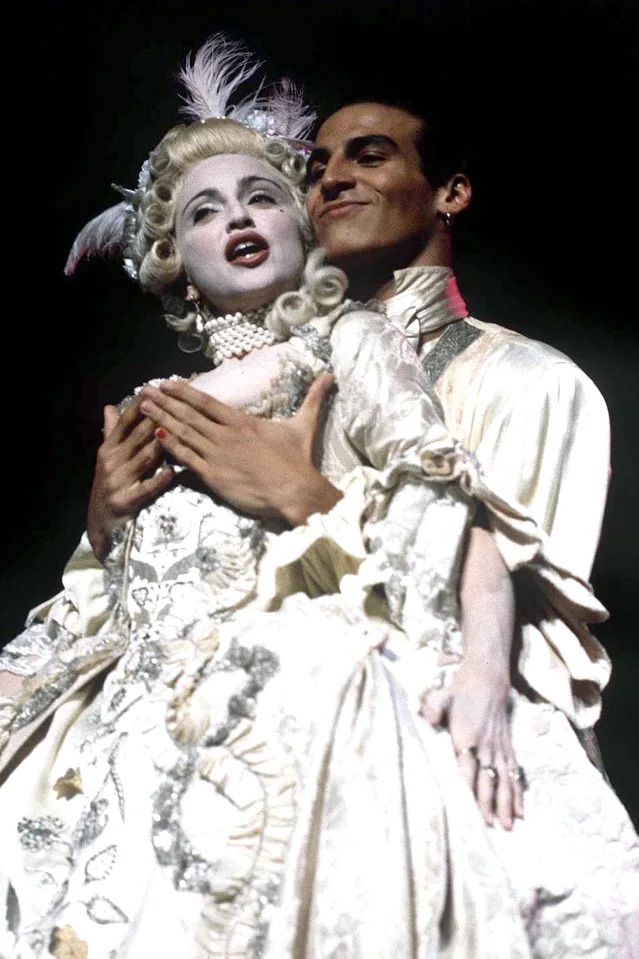
A‑listers from Kylie Jenner to Miley Cyrus have embodied her likeness for fashion magazines, wearing diaphanous frocks or towering wigs surrounded by a selection of teeth-rotting confectionery. Last year, Chappell Roan performed at the Lollapalooza music festival dressed as Marie Antoinette in a crimped wig and Rococo gown — reviving a pop star trope that began with Madonna at the 1990 MTV Awards. Fashion designers such as John Galliano, Karl Lagerfeld, Vivienne Westwood and Alessandro Michele have all mined the royal for inspiration. For the 2016 Fenty x Puma collection, Rihanna — who is the global ambassador and creative director — imagined what the 18th century figure might wear to the gym. The last queen consort of France has even had her “beauty secrets” published in Vogue, in honor of her 262nd birthday.
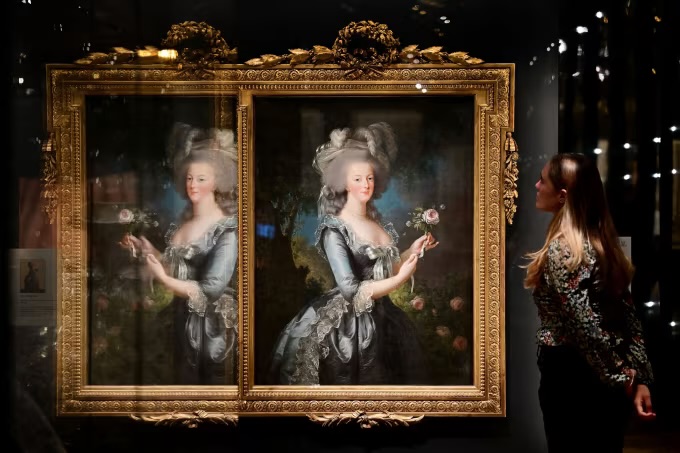
Much like Marilyn Monroe or Joan of Arc, Marie Antoinette has evolved beyond being a historical figure to become a concept. Her image is now shorthand for beauty, decadence, rebellion, and misogyny. This week, the memorialization continues at London’s Victoria & Albert Museum, which is staging the UK’s first-ever exhibition on the fashionable queen.
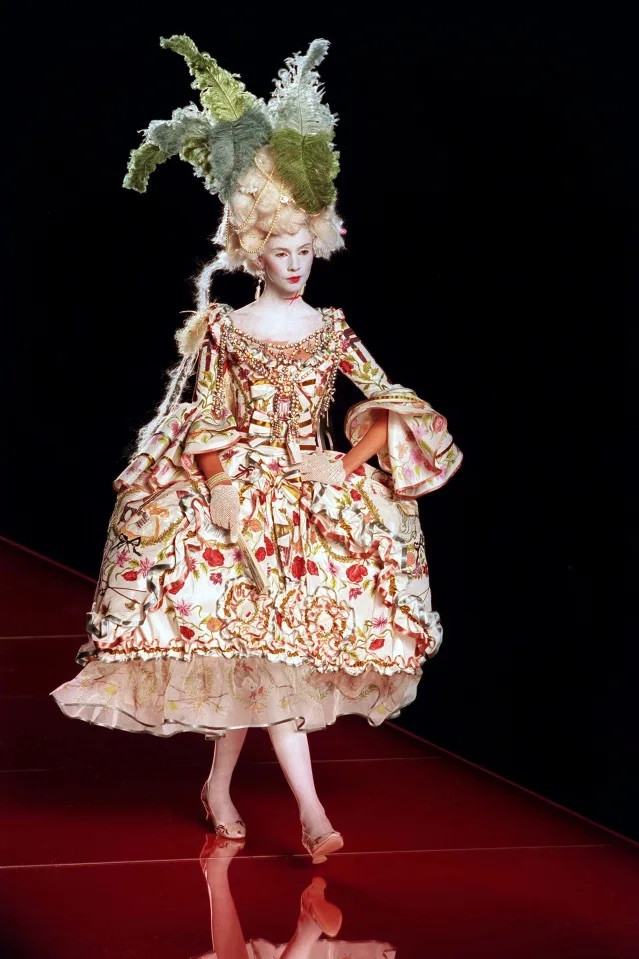
Marie Antoinette has provided inspiration for countless designers, including John Galliano. Galliano recreated Rococo French finery and piled-high hair for his Fall-Winter 2000 couture show at Dior.
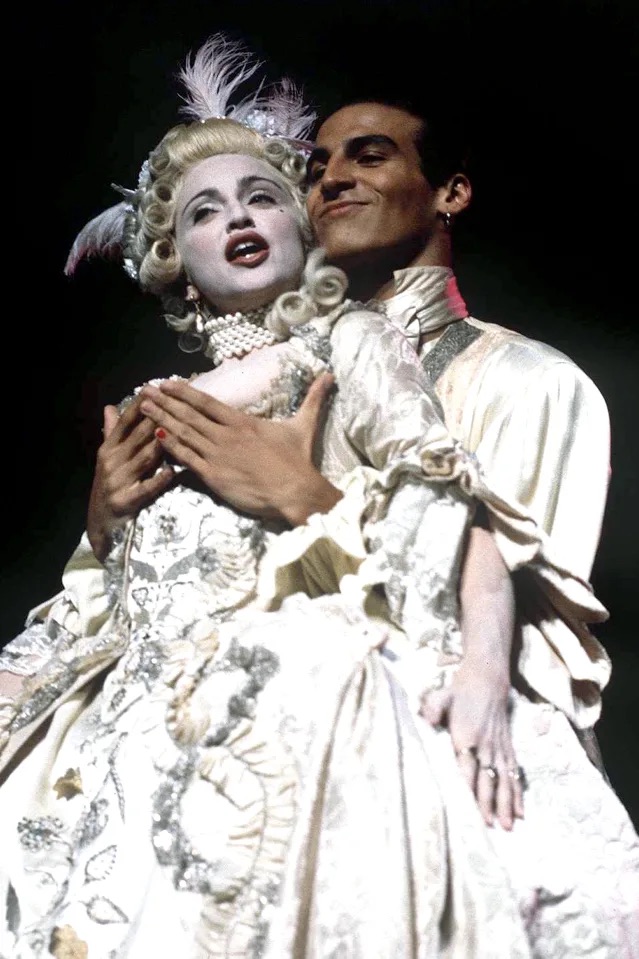
Marie Antoinette was a fashion and style icon in her own time, but there had never been an exhibition that really looked at that incredible legacy,” Sarah Grant, the exhibition’s curator, told CNN. Antoinette’s court was crowded with hairdressers, dressmakers and milliners, all working to create the lavish styles that defined the late 18th-century French fashion scene. Those trendsetting choices not only made Antoinette a prominent style icon, but also gave her the power to influence society — laying the groundwork for what one would consider “celebrity style” today.
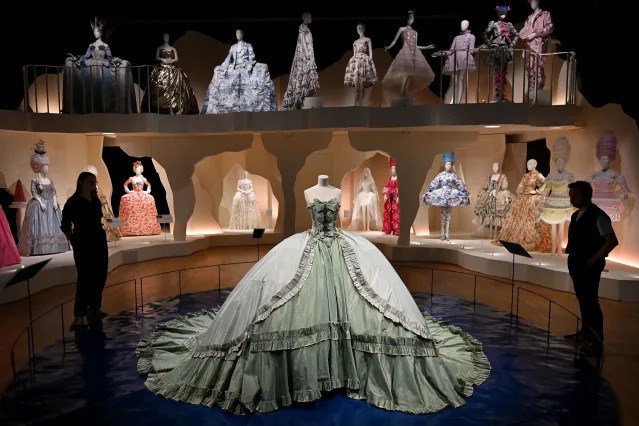
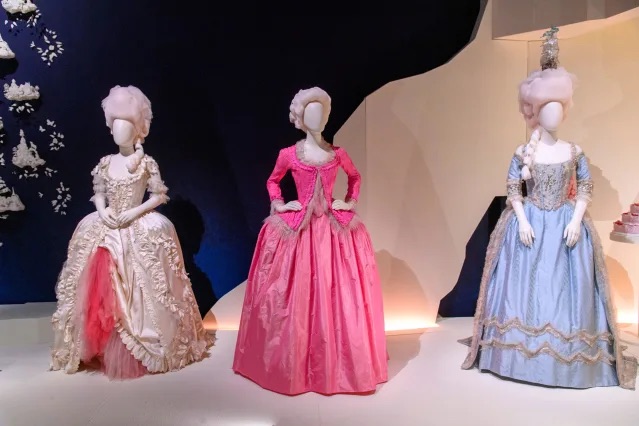
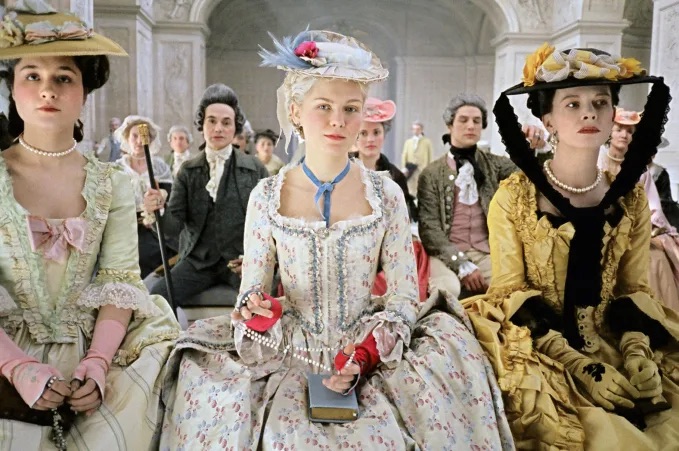
Sofia Coppola’s Oscar-winning 2006 film “Marie Antoinette,” based on the 2001 autobiography by Antonia Fraser, was a watershed moment in the queen’s legacy
The film was a point of entry to the world of Antoinette for the designer Jeremy Scott. “Sofia Coppola’s rendition is just so visually beautiful,” he recalled to CNN over the phone. “The colors, the bon-bons.” For Scott, the empathy captured by Dunst’s empathetic performance offered a different perspective of Antoinette. “I have a soft spot for her,” he said, laughing that he would have even aided her ill-fated attempt to escape from Paris. “I would have been like, ‘Girl, hide here!’”