“I Survived Chemo — and Then I Ran Nearly 30 Miles”
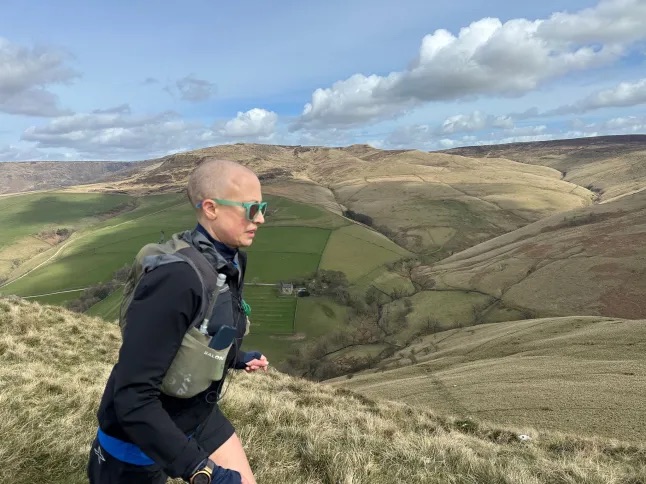
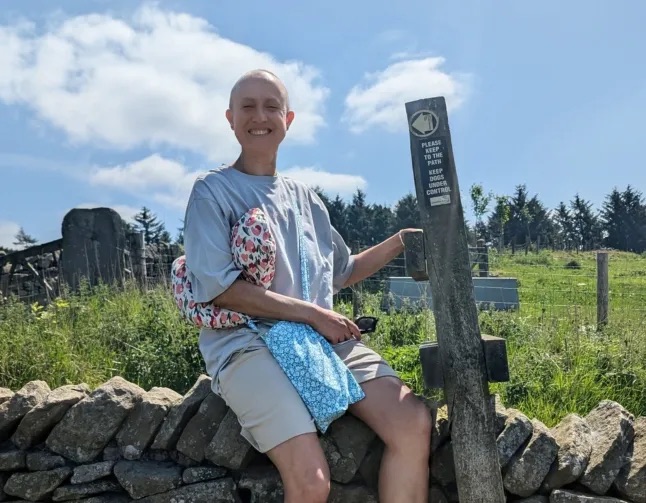
Crossing the finish line of my ultramarathon, tears immediately began to fall.
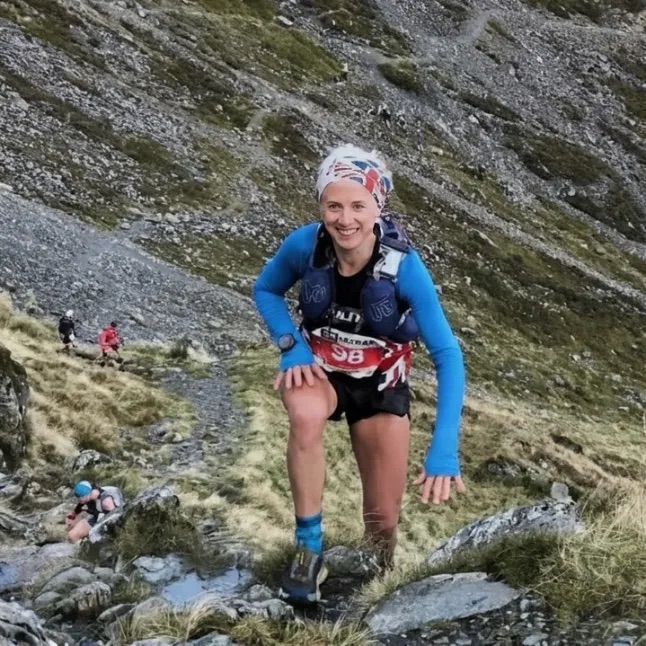
For the past seven hours, I’d battled torrential rain and wind, grappled with 6,000ft terrains and pushed through exhaustion.
Because six weeks earlier, I’d finished treatment for stage 3 breast cancer, and better yet, I’m now in complete remission.
I found the lump early – specifically, while in the supermarket on a Sunday in October 2024 – when I just happened to brush my breast and accidentally knocked the hard pea-sized lump.
Immediately, I froze in the queue with fear. ‘That’s never been there before,’ I thought to myself and booked an urgent appointment at my local GP for the next morning.
To my relief, my doctor thought it was just a fatty lump, but referred me for my first ever mammogram just to be safe. I thought it would be a waste of time.
That same day, I had two mammograms and a biopsy. The day after that, I had a further 15 biopsies.
Still, I sat in the waiting room expecting all would be well. And when I saw three doctors enter a nearby room, I assumed someone else was going to get bad news.
Then they called my name.
I was told that my cells looked ‘suspicious in nature’ and that my official results would be ready in a fortnight – that’s a long time to wait when you’re terrified of the outcome
Sure enough, in mid-November, the results and my doctor confirmed it: I had stage 3 HER2-positive breast cancer
This type of breast cancer means that the cancer cells make too much of a protein called HER2, which enables cancer cells to grow and spread more rapidly. In my case, the cancer had already spread from my breast to nearby lymph nodes.
For a moment I simply sat in disbelief.
I would need chemotherapy first to shrink the size of the tumour and then a mastectomy followed by radiotherapy. This was real, and it was happening to me.
I didn’t tell my two children the news at first: I’d got the results just before my son’s sixteenth birthday and I wanted him to enjoy his party.
Eventually though, after about a week of trying to act normally, I sat them down with their dad and began one of the hardest conversations I’ve ever had.
‘I’ve got breast cancer,’ I told them plainly. My daughter got upset but my son didn’t say anything, which was equally worrying. I quickly added that ‘doctors are certain that I’ll survive this.’
However, even I hadn’t absorbed how potentially serious this was – I was very naive about the treatment I was about to receive and was focused on trying to remain positive.
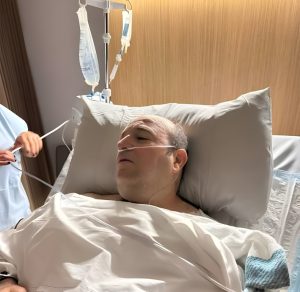
On 18 December 2024 I started my six rounds of chemotherapy. I completely lost my voice at one point and everything tasted like battery acid – both of which are common side effects for chemo patients. I couldn’t even eat the chocolates people had bought me, and I swapped my Christmas dinner for ice lollies
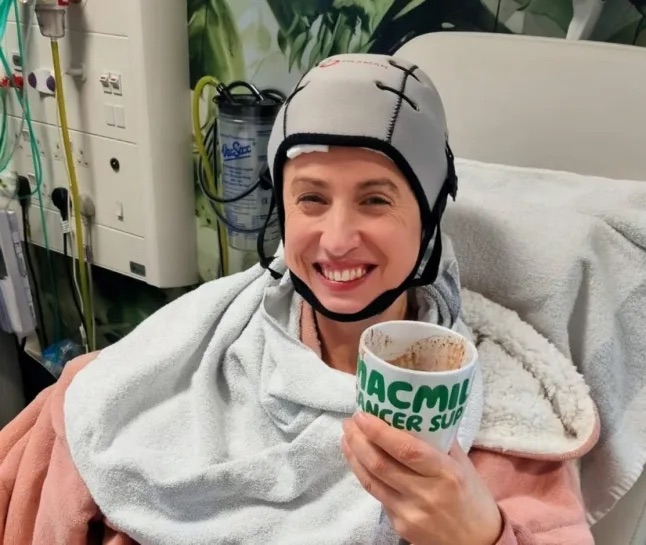
Strangely though, I found those days of having chemotherapy actually enjoyable. I was surrounded by lovely nurses and other cancer patients going through the same thing and we’d all just sit and chat.
The only thing that upset me was seeing how scared my children were.
One day, I gave my son a big hug and asked if he wanted to talk about it, and he just asked me if I was going to die. I told him I had to get sick to get better but that I would get better
I think the thing that really helped put both mine and the children’s minds at ease though was seeing me keep fairly active between chemo rounds.
Although it sometimes felt like I was running through quicksand when I was walking the dog or completing some slow, short trail runs, I would feel strong and positive. And the closer I got to the end of chemo, the more resilient I became.
In April 2025, I was told I’d had a pathologic complete response (pCR) to the chemo – no cancerous cells showed up on the MRI, the invasive breast cancer was gone.
Even though I had more treatment to go, I was so relieved. I’d always worried it might spread further, but this result gave me a fighting chance.
My mastectomy followed in May 2025. I lost one breast, but not my positive attitude
The day after I came home I went for a short walk. Two weeks after that, I went for a gentle run and gradually increased my distance. By the time I started radiotherapy in July 2025, I’d set myself a challenge to run after every treatment.
The first mile or two was always hard work – radiotherapy doesn’t affect your immune system the way chemo does, but it does make you tired – and sometimes I’d cry, but I’d always push through. Ultimately, I always finished happy, feeling grateful for the beautiful surroundings.
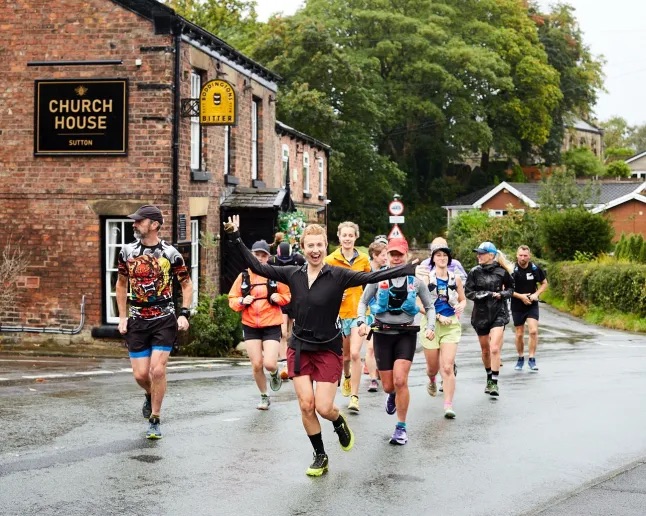
After the 15th and final round of radiotherapy, I decided to organise an ultramarathon in the Peak District, to raise money for Cancer Research.
While it was mostly for me – I wanted to get my life back on track and prove I could do it – I also wanted my children to see that, even after something so challenging, you can come back stronger.
Despite the stormy weather, over 15 people turned out to support me, I had a blast and raised £4,000 for Cancer Research.
The past year has been incredibly hard, emotional and unpredictable. I never thought cancer would happen to me, but if I’ve learned anything, it’s that early detection can save lives.
My doctor told me that if I’d found the lump just six months later, we might have been looking at secondary cancer and my story could have had a very different ending.
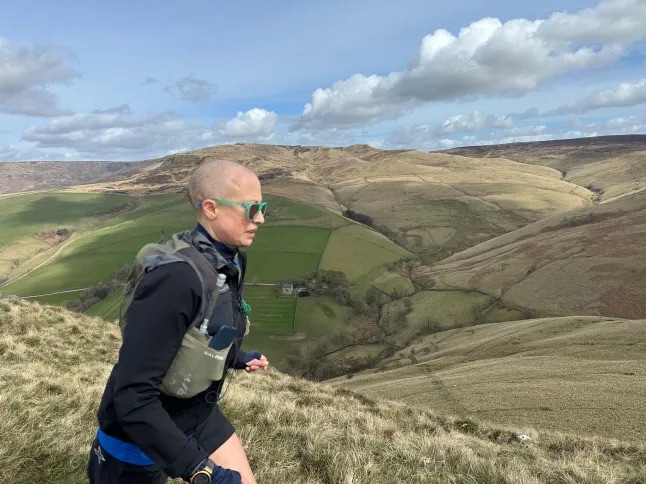
Instead, despite some fatigue from ongoing cancer and hormone treatment, my health is getting stronger every day and I’m able to look to the future.