Iran’s top cleric declares fatwa against Trump and Benjamin Netanyahu as he brands them ‘enemies of God
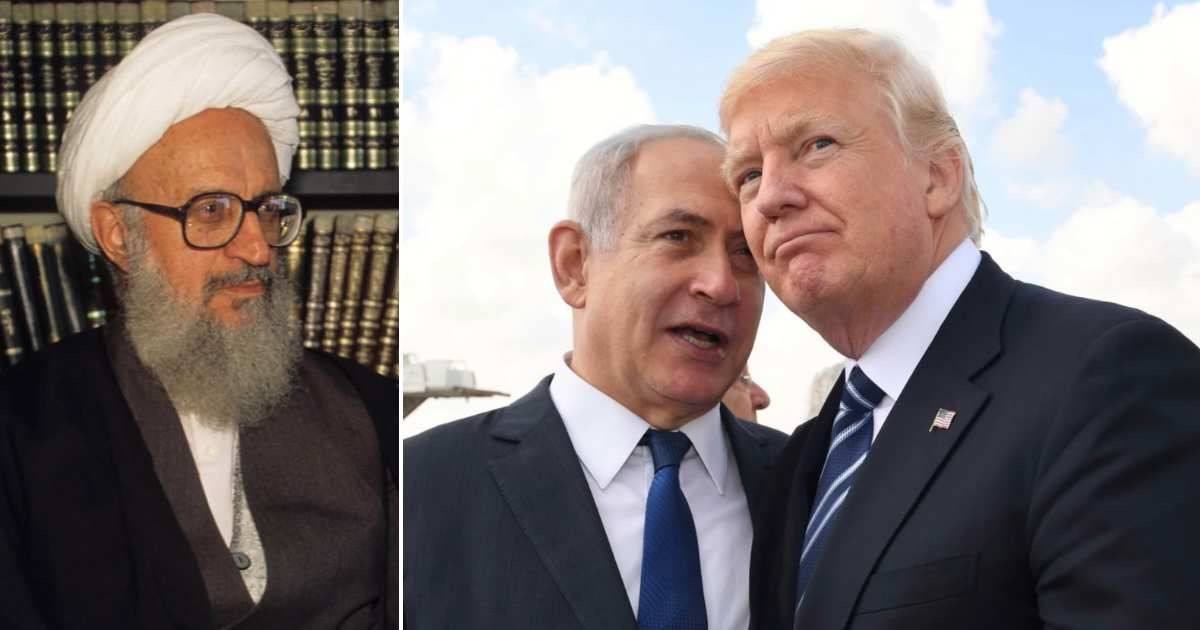
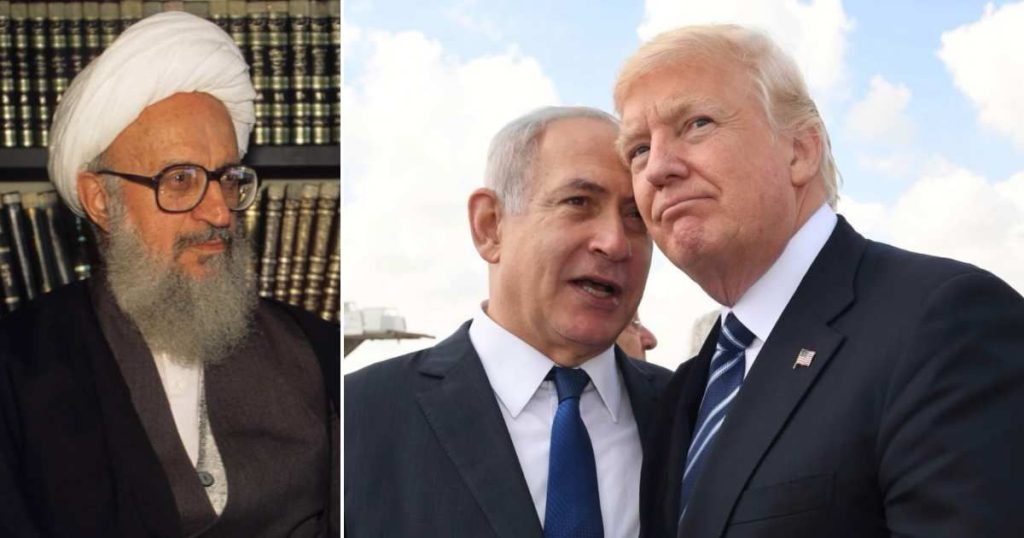
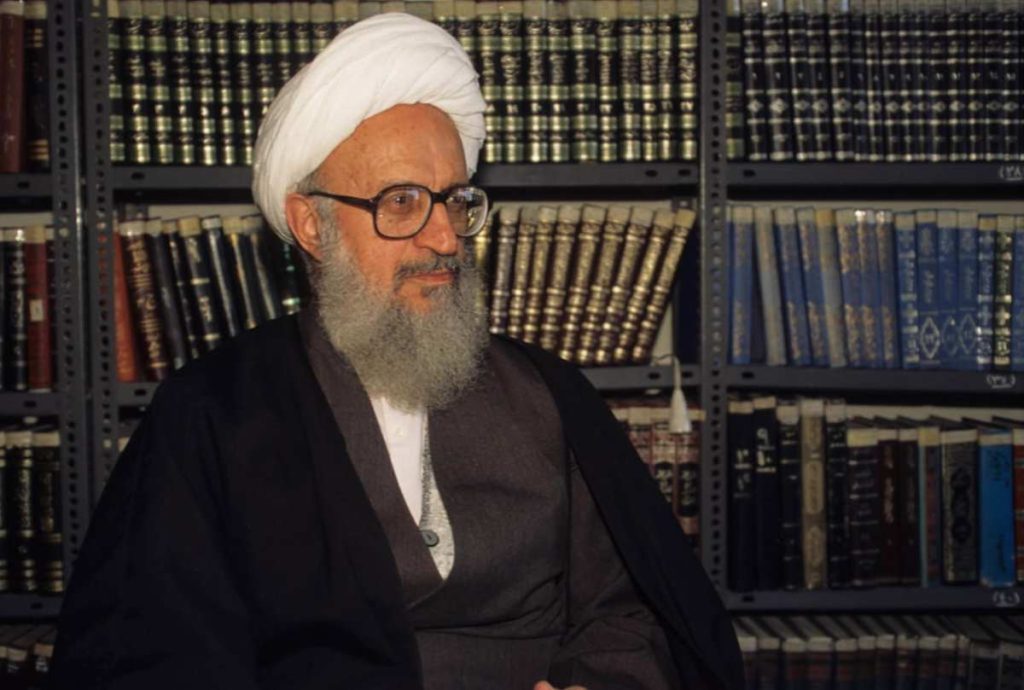
WASHINGTON, DC: Iran’s powerful Shiite cleric, Grand Ayatollah Naser Makarem Shirazi, has reportedly issued a fatwa — a religious edict — aimed squarely at President Donald Trump and Israeli Prime Minister Benjamin Netanyahu
The cleric, one of the highest religious authorities in Iran, dropped the kind of decree that’s not just about religion, but can have global consequences. Experts aren’t taking it lightly, with some labeling it an open “incitement to terrorism.”
According to the New York Sun, the ayatollah’s decree demanded that Muslims everywhere must take a stand. The fatwa wasn’t just a disapproval of Trump and Netanyahu; it branded them as “enemies of God”.
Trump and Benjamin Netanyahu branded ‘warlords
Makarem’s fatwa says anyone who threatens the unity or leadership of the Islamic world (the Ummah) is a “warlord” — or, in religious terms, a “mohareb,” someone who literally wages war against God. Under Iranian law, that label opens the door to brutal punishments — execution, crucifixion, amputation, even exile.
“Those who threaten the leadership and integrity of the Islamic Ummah are to be considered warlords,” the grand ayatollah declared. He warned that “any cooperation or support for that enemy by Muslims or Islamic states is haram or forbidden.”
The ayatollah urged “all Muslims around the world to make these enemies regret their words and mistakes.”
The fatwa didn’t just target the so-called “enemies,” but also threw in spiritual brownie points for those who take a stand. “If a Muslim who abides by his Muslim duty suffers hardship or loss in their campaign, they will be rewarded as a fighter in the way of God, God willing,” it teased
Makarem closed the decree with a prayer—asking for divine protection from “these enemies” and for the return of the Mahdi, a messianic figure in Shiite Islam believed to bring justice to the world
The religious decree dropped right after a brutal conflict dubbed the “12-Day War,” which saw Israeland the US take direct aim at Iran’s nuclear program, and the latter retaliating
It all started on June 13, when Israel launched a bombing campaign targeting Iran’s nuclear and military facilities. The strikes reportedly killed top Iranian commanders and nuclear scientists. Tehran unleashed ballistic missiles on Israeli cities in response.
Things escalated even more when the US joined forces with Israel, striking three Iranian nuclear facilities. In retaliation, Iran bombarded an American military base in Qatar
Critics call Iranian ayatollah’s fatwa terror in robes
Of course, not everyone’s buying the clerical rhetoric.
British-Iranian commentator Niyak Ghorbani slammed the fatwa as a blatant “state-endorsed incitement to global terrorism.”
Taking to X (formerly Twitter), Ghorbani warned that Iran’s rulers weren’t just flexing against their own people — they were making moves on a bigger, more dangerous global stage.
The West must realise: the Islamic Republic is not only targeting its own people — it is preparing for global violence in the name of religion,” he wrote.
For those wondering what a fatwa actually is, it’s a formal interpretation of Islamic law issued by a high-ranking religious figure — in this case, a Marja, the top of the Twelver Shia clerical hierarchy. Once it’s issued, it’s considered binding not just on regular believers, but on Islamic governments too
In 1989, Iran’s late Ayatollah Khomeini issued a fatwa against British author Salman Rushdie for his novel ‘The Satanic Verses,’ which many Muslims found deeply offensive.
That single decree forced Rushdie into hiding for years, sparked violent protests, led to the murder of his Japanese translator, and even attacks on the book’s publishers.
It didn’t stop there. Rushdie survived multiple assassination attempts over the decades — the most recent in 2023, when he was stabbed in upstate New York and lost an eye