James Watson, Who Helped Discover DNA’s Double-Helix Structure, Dies at 97
Updated on November 7, 2025 — 05:27 PM EST
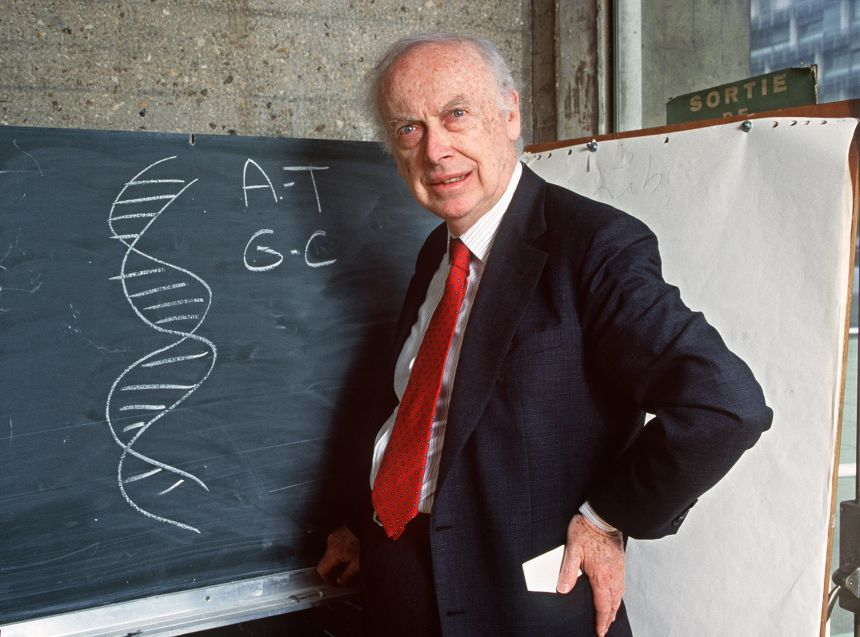
Cold Spring Harbor Laboratory, where Dr. James Dewey Watson spent much of his career, confirmed the passing of the pioneering American geneticist on November 7. He was 97.
James Watson, one of the key figures behind the discovery of DNA’s double-helix structure — a revelation that changed the course of modern science — died earlier this week on Long Island after a brief illness, his family shared. He passed away peacefully under hospice care, surrounded by loved ones.
Born in Chicago in 1928, Watson dedicated his life to understanding the fundamental code of life. His groundbreaking work alongside Francis Crick and Maurice Wilkins unveiled the elegant double helix — the twisting ladder-like structure of DNA — and earned the trio the 1962 Nobel Prize in Physiology or Medicine. Their discovery laid the foundation for decades of scientific advancement in genetics, medicine, and biotechnology.
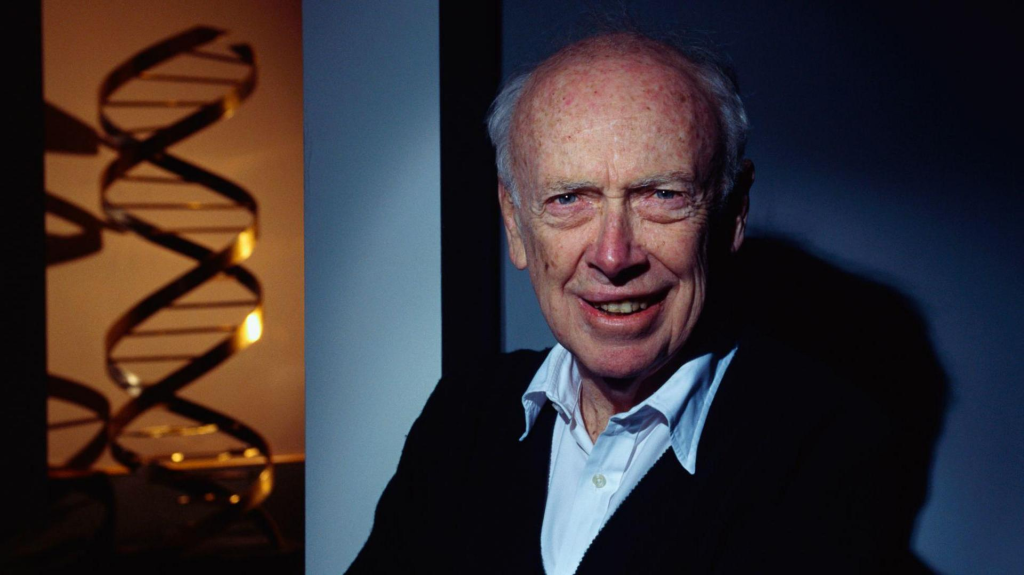
Reflecting on that momentous achievement, Watson once said, “Francis Crick and I made the discovery of the century — that was pretty clear. There was no way we could have foreseen the explosive impact of the double helix on science and society.”
At Harvard University, where he taught and researched for many years, Watson helped demonstrate the existence of messenger RNA — a finding that would later become essential to understanding how genetic information is translated into life. He also played an influential role in the early stages of the Human Genome Project, guiding its first years and inspiring scientists and policymakers to invest in unlocking the human genetic code.
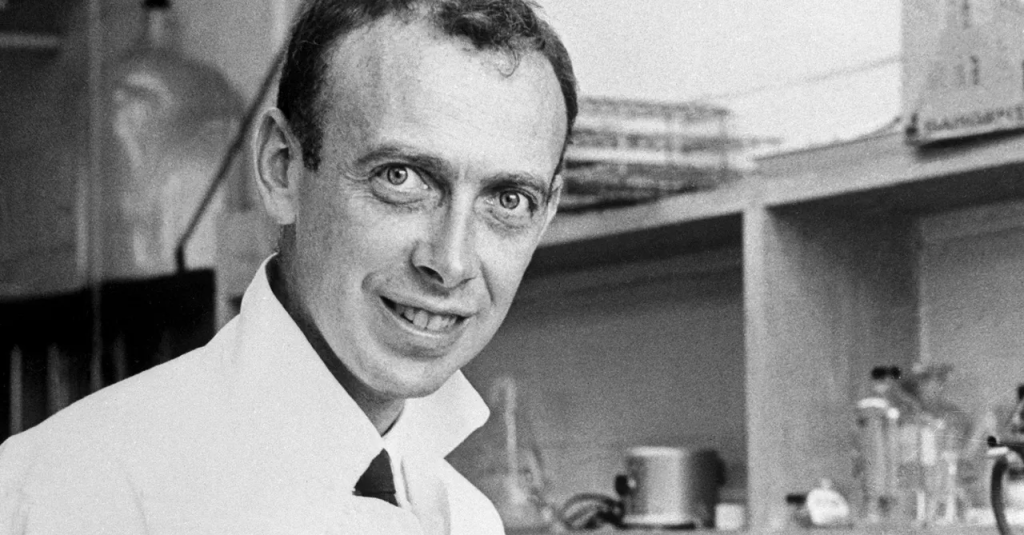
Watson’s curiosity and determination extended far beyond the laboratory. His 1968 memoir, The Double Helix, offered a rare and candid look into the human side of discovery — the excitement, rivalry, and perseverance that fuel scientific breakthroughs.
Throughout his long career, Dr. Watson received numerous honors, including the Presidential Medal of Freedom from President Gerald Ford and the National Medal of Science from President Bill Clinton. His contributions to biology, education, and genetic research have left a profound mark on the world.
Beyond science, James Watson was a husband and father. He married Elizabeth Lewis in 1968, and together they raised two sons — a family that remained a central part of his life even as his discoveries reshaped our understanding of life itself.
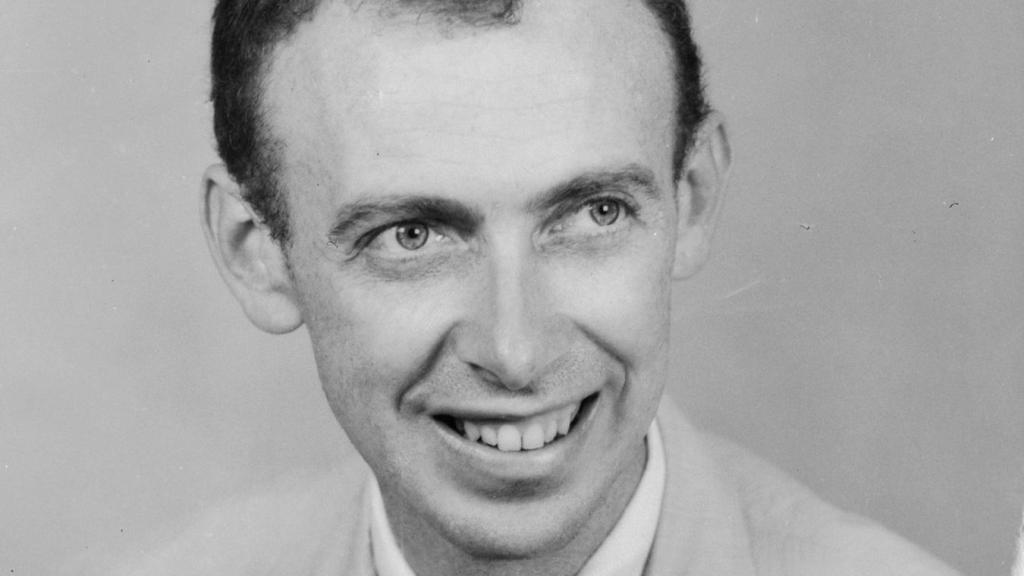
Dr. Watson’s legacy endures in every strand of DNA we study and in every medical breakthrough that traces its origins back to that fateful discovery in the 1950s. His life reminds us that curios










Post Comment