Japan’s new prime minister faces her biggest test yet: Meeting Trump
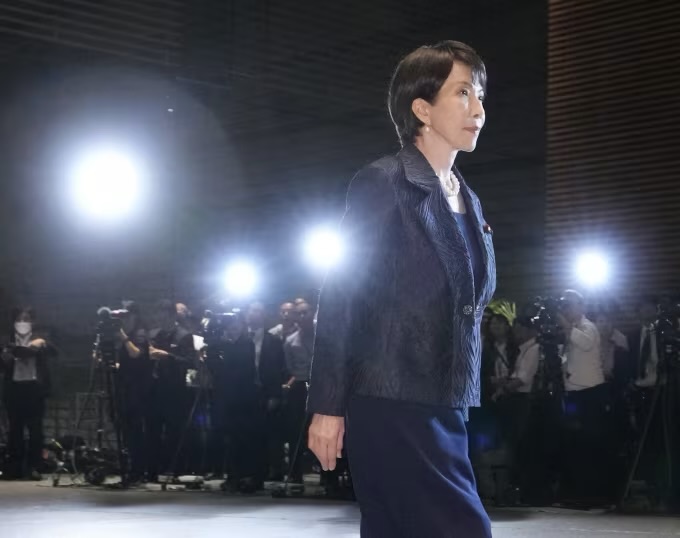
Tokyo —
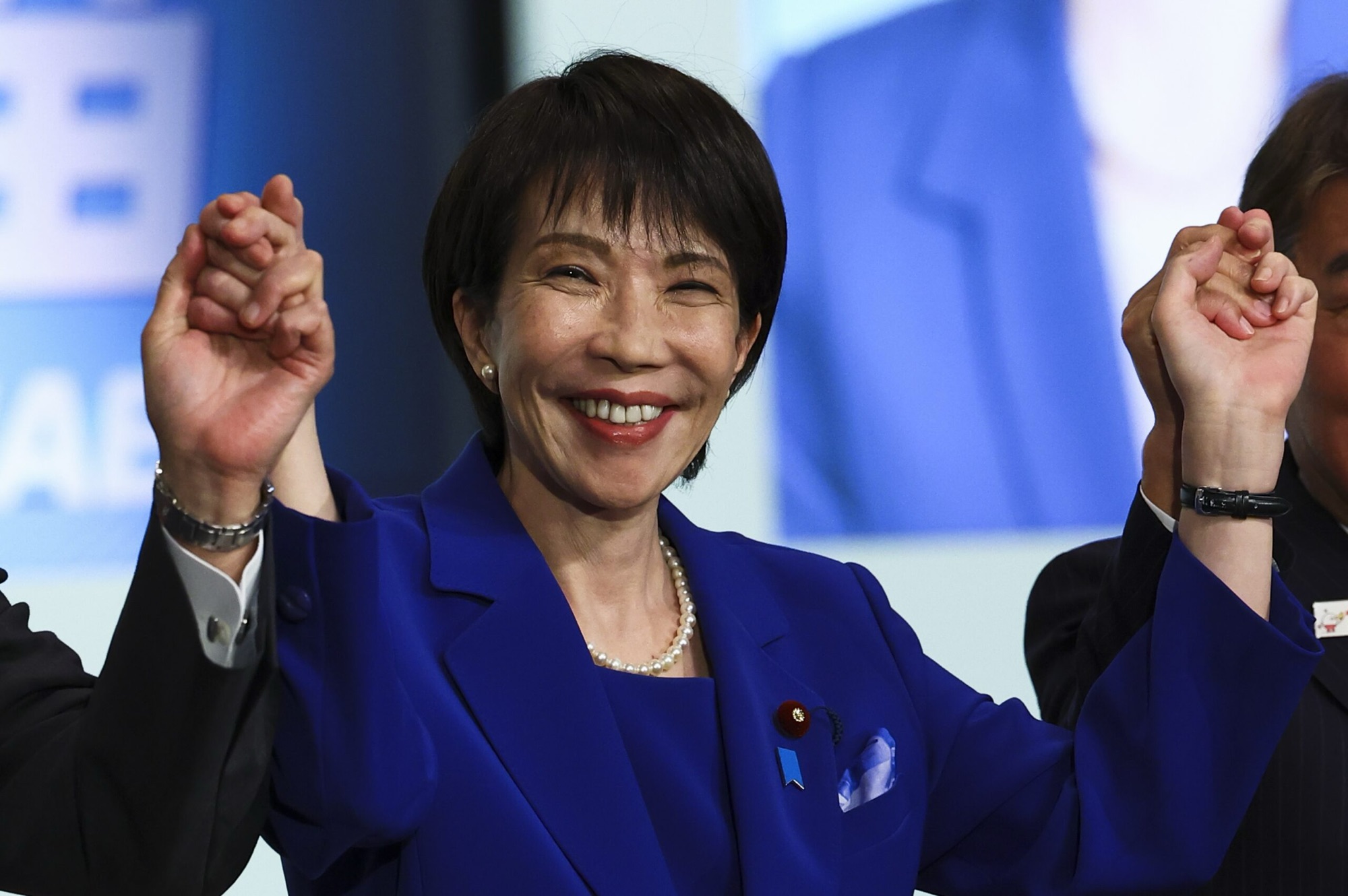
Months before she became Japan’s prime minister, Sanae Takaichisaid she’d been invited to meet US President Donald Trump
It was November, just after his election victory and several figures close to Trump had urged her to visit Washington, she posted on her official X account.
But she declined, insisting then-Prime Minister Shigeru Ishiba should be the first Japanese lawmaker to meet the new US leader.
However, I aim to work hard toward holding a position that would allow me to meet him in a dignified manner someday,” she wrote.
That “someday” has arrived.
Takaichi’s first major test on the global stage comes as she heads to the ASEAN summit in Malaysia and the APEC meeting in South Korea, trips that will reveal how much of her trademark conservative rhetoric she brings into office. But the most closely watched moment will come between those summits, when Trump visits Tokyo to meet Emperor Naruhito and sits down with Takaichi for the first time on Tuesday
Aboard Air Force One on his way to Asia, Trump spoke highly of Takaichi
The pair spoke on the phone Saturday, in what Trump called a “very good” phone call. “She great, beautiful … She’s very friendly,” he told reporters aboard Air Force One following the call.
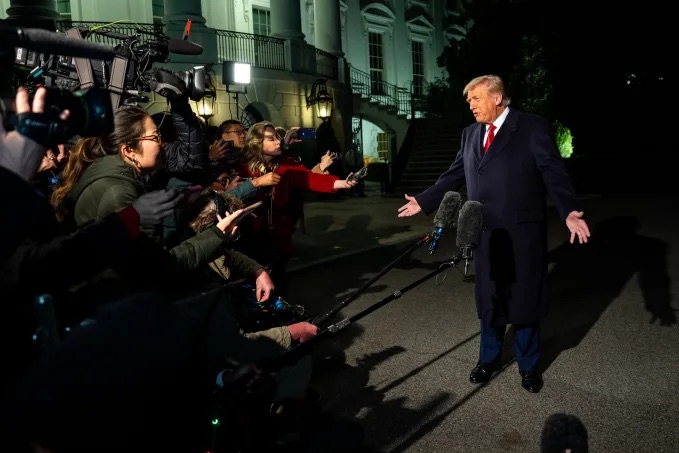
For Japan’s new leader, the stakes are high. Though the US-Japan alliance is one of the world’s strongest, Takaichi’s limited diplomatic experience and Trump’s unpredictability make their first meeting a critical test.
Their talks are expected to cover tariffs, regional security and Japan’s defense spending, all points of tension in recent months. Within Japan’s conservative ruling party, some worry Washington’s commitment to the Indo-Pacific is fading, as it demands more from allies
At home, Takaichi faces her own challenges. Her Liberal Democratic Party is still recovering from corruption scandals, and her performance abroad could shape both her political future and her party’s recovery. Her approval rating sits at a strong 71%, a number her team will be keen to preserve.
Possible bumps in the road
Defense will top the agenda.
Under former Prime Minister Fumio Kishida, Japan pledged to raise defense spending to 2% of GDP by 2027. Takaichi now wants to accelerate that timeline to March 2026, calling for Japan to “proactively advance the fundamental strengthening of its defense capabilities” at her first address in Japan’s parliament. But how the buildup will be financed remains unclear. With the yen weakening and Takaichi pushing tax cuts, she may struggle to fund her ambitions.
Trade could prove equally thorny. Since returning to office, Trump has reignited his tariff wars, targeting even longtime allies. After months of talks, tariffs on Japanese goods dropped from 25% to 15%, while Tokyo agreed to invest $550 billion in US industries. But many details remain vague, and Takaichi is expected to seek more clarity.
“It seems there are various concerns, but I love Korean nori seaweed. I also use Korean cosmetics and watch Korean dramas,” she said. Maintaining positive ties with South Korea’s President Lee Jae Myung would continue the lattice-like foreign policy encouraged by Washington, one that favors multilateral cooperation among like-minded nations over bilateral dependence.
“There’s a growing understanding that Japan-South Korea cooperation is a necessity in this uncertain world,” Nishimura said. “If these two US allies deepen their defense ties, it helps reduce America’s burden in the region.”
Takaichi’s toughest balancing act may be China.
“Japan is walking a tightrope between the US and China,” said Misako Iwamoto, a Mie University emeritus professor, who specializes in politics and women’s studies.
China remains Japan’s largest trading partner. Past leaders, such as Yukio Hatoyama in 2009, leaned closer to Beijing, sparking pushback from Washington
But unlike Hatoyama, Takaichi is seen as firmly right-wing,” Iwamoto said. “If she manages to improve ties with China in a way that doesn’t appear anti-American, it might not cause too much friction.”
Both Trump and Takaichi take a hawkish stance on Beijing, particularly over Taiwan. Earlier this year, Takaichi visited the island and called for “cooperation with Taiwan to jointly address defense challenges.” Beijing condemned the trip as a “dangerous provocation,” warning that Japan was “at a crossroads” under her leadership
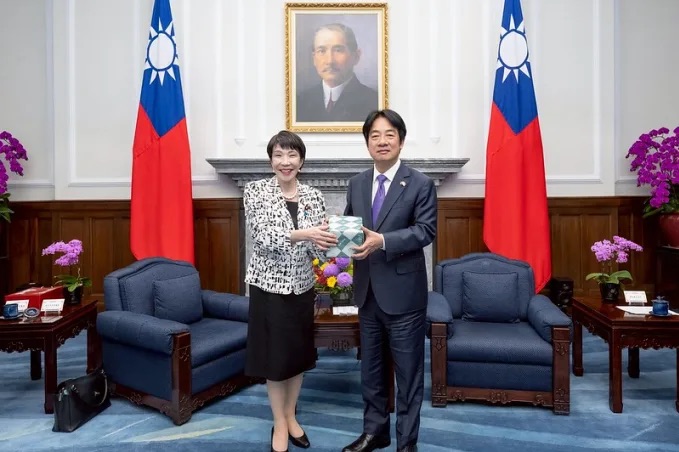
Taiwan President Lai Ching-te met with a delegation led by Member of the Japanese House of Representatives and former Minister of State for Economic Security Takaichi Sanae in Taipei, Taiwan on April 28, 2025.
Taiwan Presidential Office
Even before her election, tensions were rising between the two neighbors. Chinese vessels have stepped up activity around the disputed Senkaku Islands – known as the Diaoyus in China – while Japan’s 2022 defense paper officially labeled China its “greatest security threat” for the first time.
At her first press conference as prime minister, Takaichi vowed to take US-Japan relations to “new heights,” calling the alliance “the cornerstone of Japan’s foreign and security policy.” She ended her speech with a pointed line: “There is no time to stand still.”