Jennifer Beals in the 90s: Reinvention, Resilience, and Range
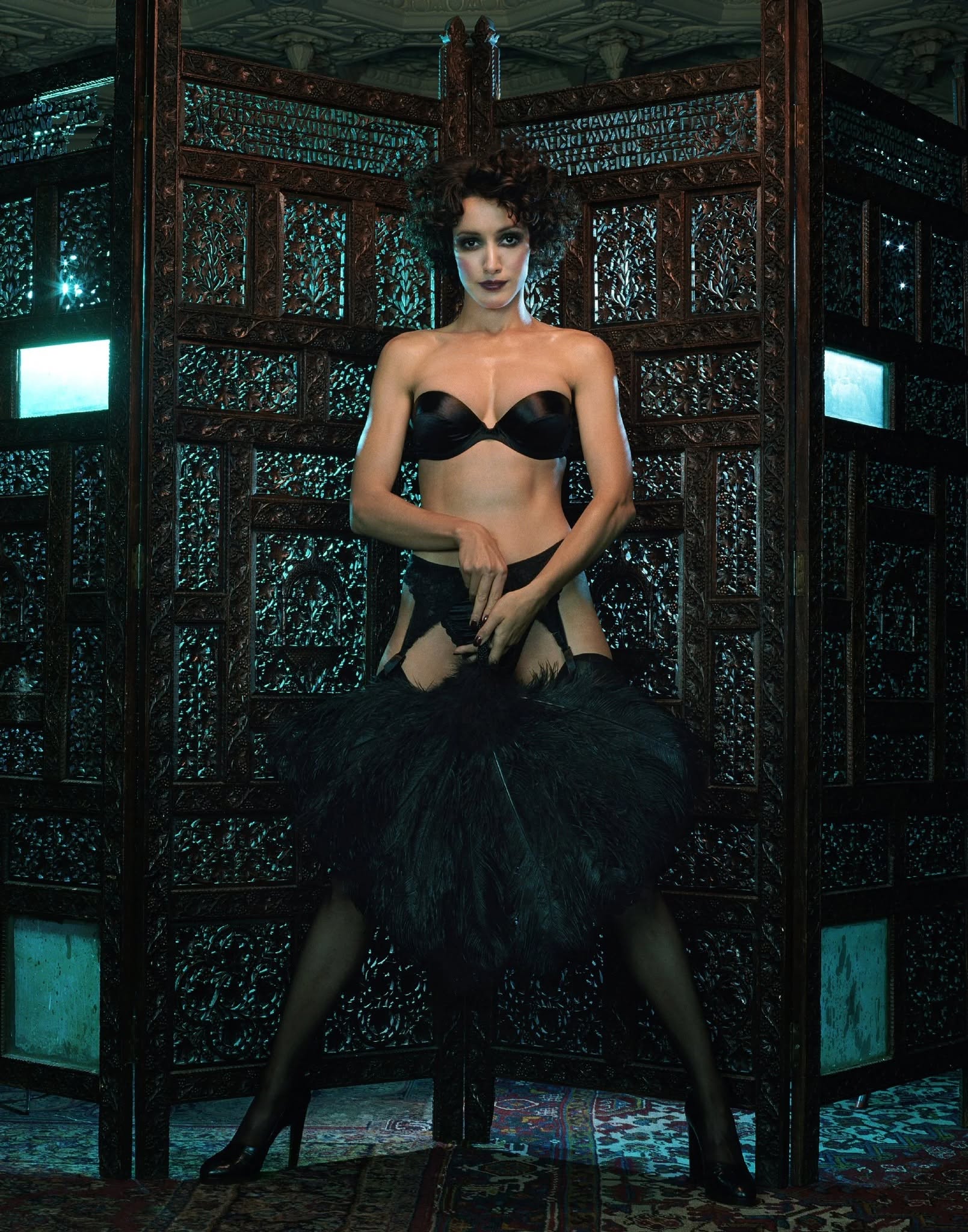


Jennifer Beals in the 90s: Reinvention, Resilience, and Range
In the 1980s, Jennifer Beals skyrocketed to fame as the steel-town dancer with big dreams in Flashdance (1983), a role that would define a generation of underdog triumph stories. But while that iconic sweatshirt-and-legwarmers image is forever etched in pop culture memory, the 1990s marked a quieter, deeper evolution in Beals’ career—one marked by bold choices, indie gems, and a determined refusal to be typecast.
Life After Flashdance
Beals could have easily parlayed her newfound fame into a series of big-budget Hollywood roles, but instead, she made an unexpected choice: she went back to school. Enrolling at Yale University, Beals focused on academics while acting part-time—a move that underscored her intellectual drive and commitment to staying grounded. She graduated with a degree in American Literature in 1987, just before the new decade began.
A Decade of Diversity and Depth
The 1990s saw Beals gravitating toward eclectic and often daring roles. Rather than chasing the blockbuster spotlight, she explored complex characters in films that allowed her to flex her range.
One of her standout performances of the decade came in Devil in a Blue Dress (1995), where she starred opposite Denzel Washington. Playing Daphne Monet, a mysterious woman at the heart of a noir thriller, Beals brought elegance and vulnerability to a role that flirted with femme fatale tropes but also subverted them. Her performance was praised for its subtlety and magnetic screen presence.
In The Bride (1985), which bridged the late ’80s and early ’90s sensibility, she portrayed a modern take on Frankenstein’s monster’s companion—a gothic romance that paired her with Sting and offered another chance to play a complex, misunderstood character. While the film received mixed reviews, Beals stood out for her unique blend of strength and softness.
Throughout the decade, she also made notable appearances in television films and miniseries, including The Twilight of the Golds (1996), which tackled issues of genetics, sexuality, and parental choice. The role was emblematic of the kinds of socially conscious projects Beals increasingly leaned into.
Indie Darling and Advocate
Never afraid to go indie, Beals embraced roles in smaller, often experimental films like Four Rooms (1995), The Prophecy II (1998), and Wishful Thinking (1997). These roles, while perhaps not commercial juggernauts, showed her commitment to storytelling over stardom.
She also began laying the groundwork for her later emergence as a queer icon in the 2000s. In an industry not known for risk-taking, her openness to playing LGBTQ+ characters and her vocal support of equality in her later work would echo the courage and independence she showed in her ’90s career choices.
Style, Substance, and Staying Power
Throughout the 1990s, Jennifer Beals maintained a low-key public image. While many of her contemporaries chased headlines and tabloid attention, Beals stayed largely outside the Hollywood bubble, focusing on her work, her family, and her passions—including photography, writing, and activism.
She cultivated a reputation as a serious actress with a cerebral edge—someone who could command attention on screen not just with looks, but with depth and intelligence. That set her apart in an industry often more interested in image than integrity.
Legacy of the Decade
By the end of the 1990s, Jennifer Beals had long since shed the label of “just the girl from Flashdance.” She had become something far more interesting: a respected actress with a diverse body of work, a thoughtful approach to fame, and a clear sense of self.
The choices she made in the 90s—eschewing typecasting, embracing indie roles, and championing intelligent, emotionally rich characters—set the stage for her career renaissance in the 2000s, most notably as Bette Porter in The L Word. But it was the 90s that quietly proved Jennifer Beals was more than a flash in the pan. She was—and remains—a force of nature with staying power.












Post Comment