Jimmy Kimmel’s Return: Free Speech or Damage Control?
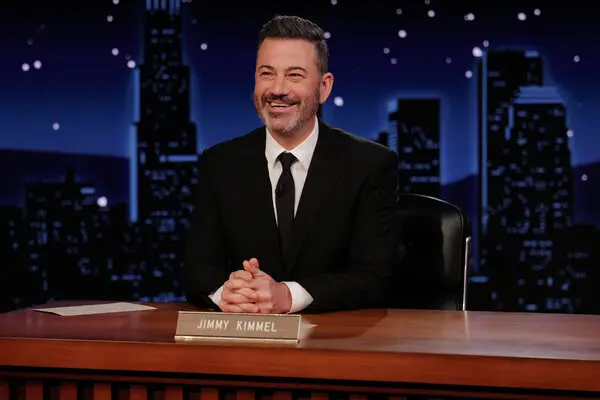
Jimmy Kimmel is back on ABC this week, and let’s be honest — this whole drama feels less about comedy and more about corporate survival. After a week-long suspension over his controversial comments about Charlie Kirk’s assassination, Disney quietly cut a deal to get their late-night host back on air. But don’t expect an apology.
According to insiders, Kimmel will address the controversy in his Tuesday monologue, but he’s refusing to say sorry. That’s a gutsy move considering Sinclair Broadcast Group — which owns 31 ABC affiliates — has already decided they won’t air his show. Their reasoning? If Kimmel won’t back down or donate to Kirk’s organization, they’re pulling the plug. In other words: no apology, no airtime.
And this is where it gets messy. Disney is caught in a political tug-of-war. On one side, conservatives are furious at Kimmel’s false claim that Kirk’s alleged killer was a Trump supporter. On the other, liberals and Hollywood heavyweights see Disney’s suspension as corporate censorship under pressure from Trump allies and FCC commissioner Brendan Carr.
The backlash was immediate. Howard Stern canceled his Disney+ subscription and called the suspension “outrageous.” David Letterman said Kimmel would be fine but ripped ABC for bowing to “authoritarian” pressure. Stephen Colbert and Jimmy Fallon piled on, defending their fellow late-night host. Then came the big one: an open letter from the ACLU, signed by Hollywood royalty like Tom Hanks, Meryl Streep, and Robert De Niro, warning America not to slip back into a McCarthy-era culture of silencing voices.
Meanwhile, former Disney CEO Michael Eisner blasted his old company for folding to political intimidation. Even SAG-AFTRA, the actors’ union, weighed in, calling the suspension a direct threat to free speech.
And the White House? They brushed the whole thing off with a brutal burn. Spokesperson Abigail Jackson declared, “This has nothing to do with free speech. Low-ratings loser Kimmel is free to make whatever bad jokes he wants, but a private company is under no obligation to lose money producing unpopular shows.” Translation: he’s not censored, he’s just not funny.
So what does this all mean? Kimmel’s return is less a victory lap and more a high-wire act. He’s standing his ground, but half the country thinks he crossed a line, and the other half thinks Disney is letting politics dictate art.
In the end, Kimmel’s comeback isn’t just about a TV host cracking jokes again — it’s a test of where free speech fits in today’s corporate-media-politics triangle. And whatever side you’re on, one thing is clear: this late-night controversy isn’t going to fade quietly into the credits.





Post Comment