Julie Christie: The Golden Muse of the 1960s
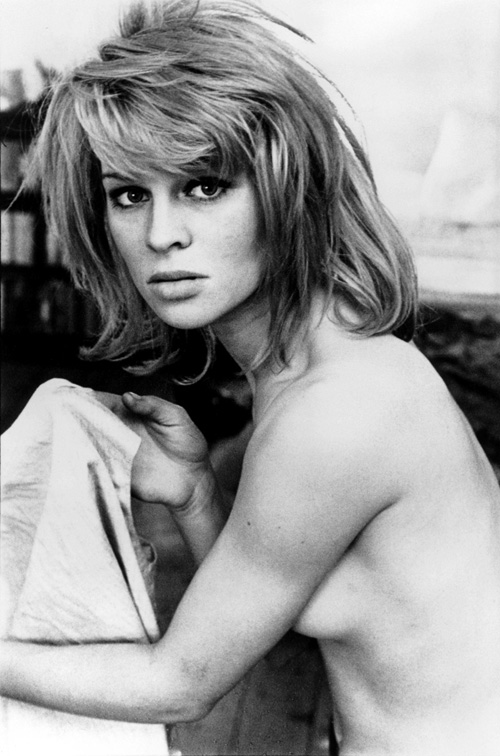
In the glittering world of 1960s cinema, few names shone as brightly—or as mysteriously—as Julie Christie. With her golden hair, dreamy eyes, and unmistakable poise, she became the face of a generation that was redefining beauty, independence, and storytelling.
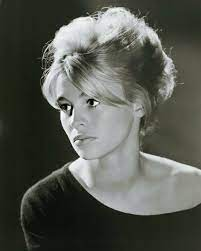
Born in India and raised in rural England, Christie seemed destined for something different. Her breakthrough came with the 1963 film Billy Liar, where her free-spirited charm caught the world’s attention. But it was Darling (1965) that turned her into an international sensation.
Her portrayal of Diana Scott—a young model swept up in fame and disillusionment—earned her an Academy Award for Best Actress and cemented her as a style icon of the Swinging Sixties.
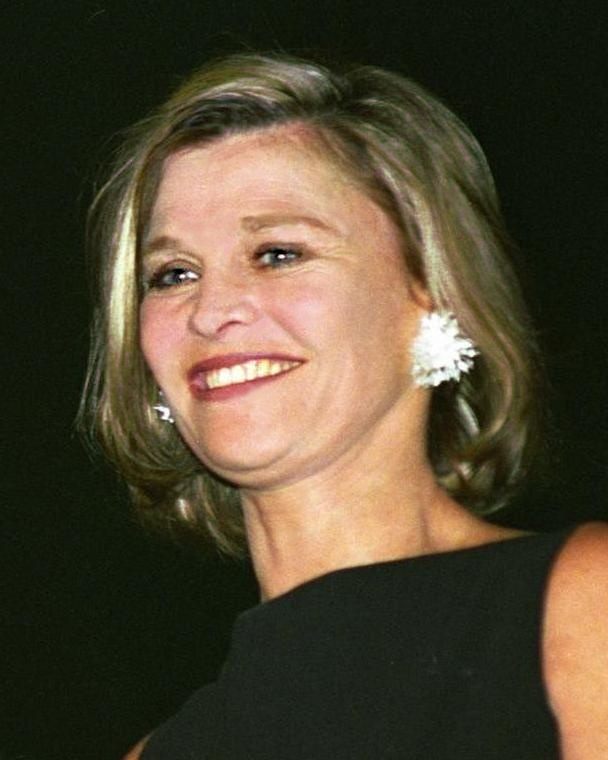
Unlike many stars of her era, Christie avoided the Hollywood machine. She preferred depth over glamour, often choosing roles that reflected her sharp intellect and sense of independence. Her performances in Doctor Zhivago, Far from the Madding Crowd, and McCabe & Mrs. Miller proved she wasn’t just another pretty face—she was one of the most talented and captivating actresses of her time.
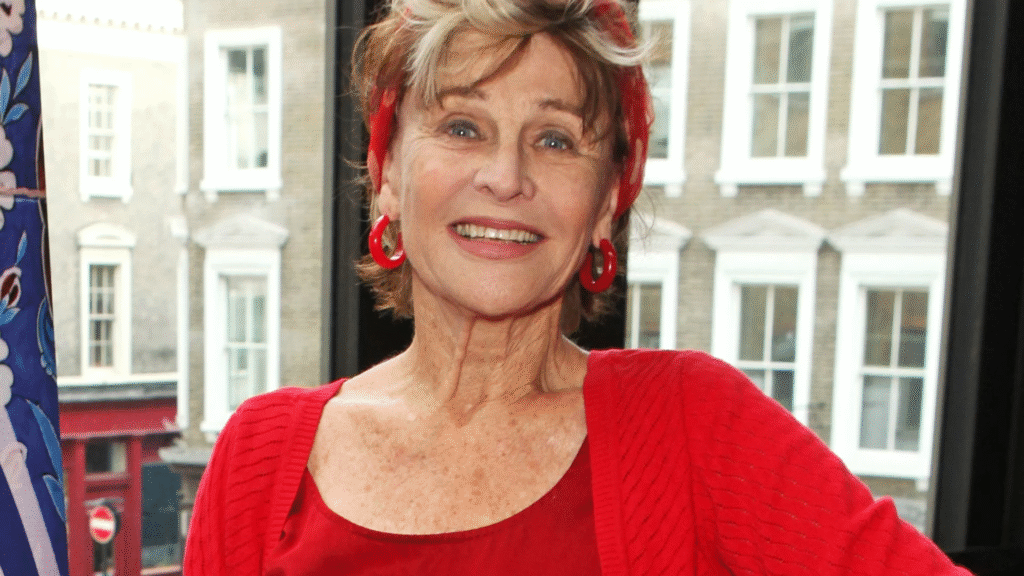
Off-screen, Christie was known for her quiet rebellion. She avoided the spotlight, lived simply, and spoke passionately about environmental and humanitarian causes long before it became fashionable. That authenticity—her refusal to play the celebrity game—made her all the more admired.
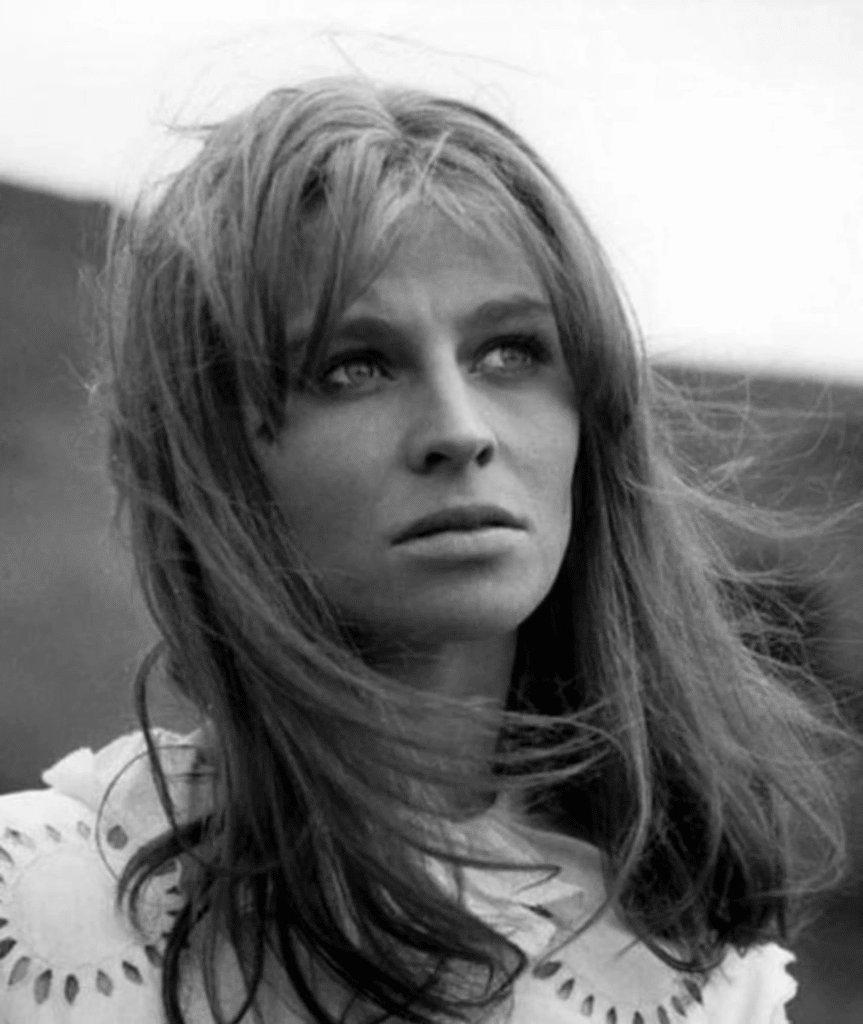
Even decades later, Julie Christie’s influence remains. Her effortless blend of glamour and substance helped define what it meant to be a modern woman in film—strong, complex, and unapologetically herself.
✨ Fun Fact: When asked about fame, Christie once said she found it “bewildering.” And perhaps that’s what makes her timeless—the rare star who never chased the light, but somehow kept it following her anyway.






Post Comment