Justice Amy Coney Barrett Says Her Kids Have Faced Backlash from the Dobbs Decision
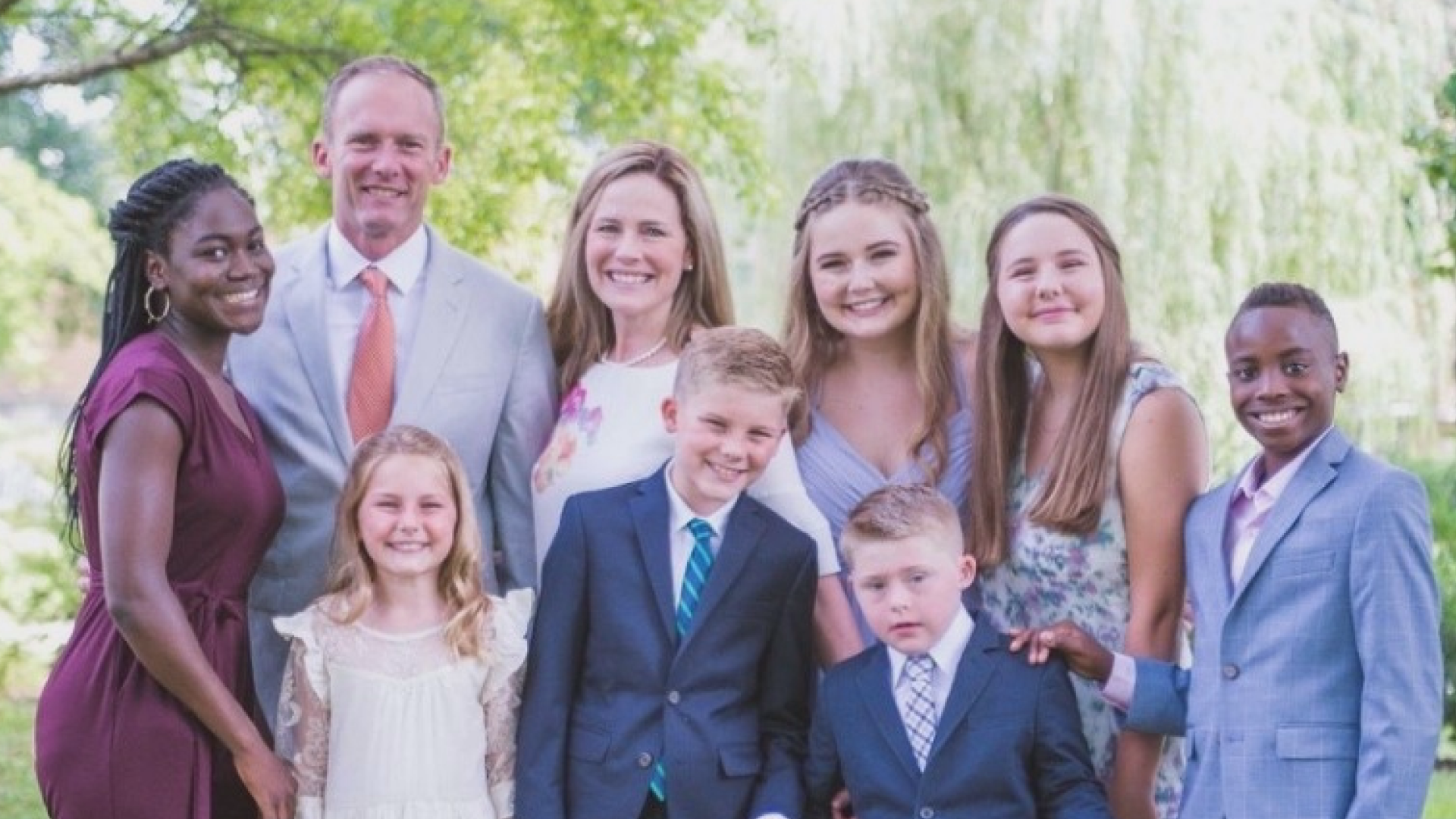
Supreme Court Justice Amy Coney Barrett has revealed that the impact of the Court’s controversial 2022 ruling overturning Roe v. Wade has extended beyond the legal and political arenas — reaching directly into her own home.
Speaking publicly, Barrett shared that her seven children have faced personal backlash in the aftermath of Dobbs v. Jackson Women’s Health Organization, the landmark decision that ended nearly 50 years of federal constitutional protection for abortion rights.
Family in the Spotlight
Barrett, a mother of seven, noted that the hostility toward the Court’s ruling has often spilled over into her children’s lives. From peers to acquaintances, her kids have reportedly been subjected to harsh words and treatment because of her role in the case. “My children have had to withstand criticism from people in their lives,” Barrett admitted, acknowledging the heavy personal toll.
The Burden of a Divisive Ruling
The Dobbs decision was one of the most polarizing in modern U.S. history. While it was celebrated by pro-life advocates as a long-awaited victory, it also sparked nationwide protests, fierce political debates, and deep divisions across communities. For Barrett’s family, the decision’s fallout underscored how the lives of justices — and their loved ones — are inextricably tied to the consequences of their rulings.
A Justice Under Scrutiny
Since her appointment to the Court in 2020, Barrett has faced intense scrutiny, with critics pointing to her conservative Catholic faith and past writings as indications of how she might rule on abortion. Her decisive vote in Dobbs cemented her role in one of the most consequential judicial shifts in decades.
Yet while she is no stranger to public criticism herself, Barrett emphasized that it has been far more difficult to watch her children bear the brunt of the backlash.
Balancing Public Duty and Private Life
The justice’s remarks highlight the unique challenges of serving on the nation’s highest court. For Barrett, it has meant not only shouldering the responsibility of constitutional interpretation but also navigating the deeply personal effects of decisions that ripple through American society.
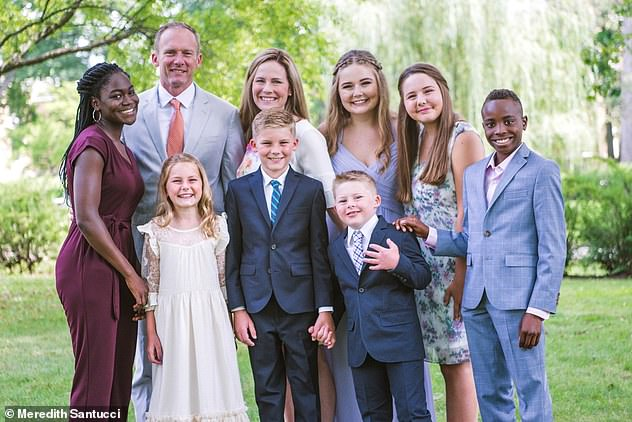
As debates over abortion continue to play out in state legislatures and courts across the country, Barrett’s acknowledgment of her family’s struggles serves as a reminder that behind every ruling are human beings — both those affected by the laws, and the families of those who make them.












Post Comment