“The early 1970s kinda creeps me out”
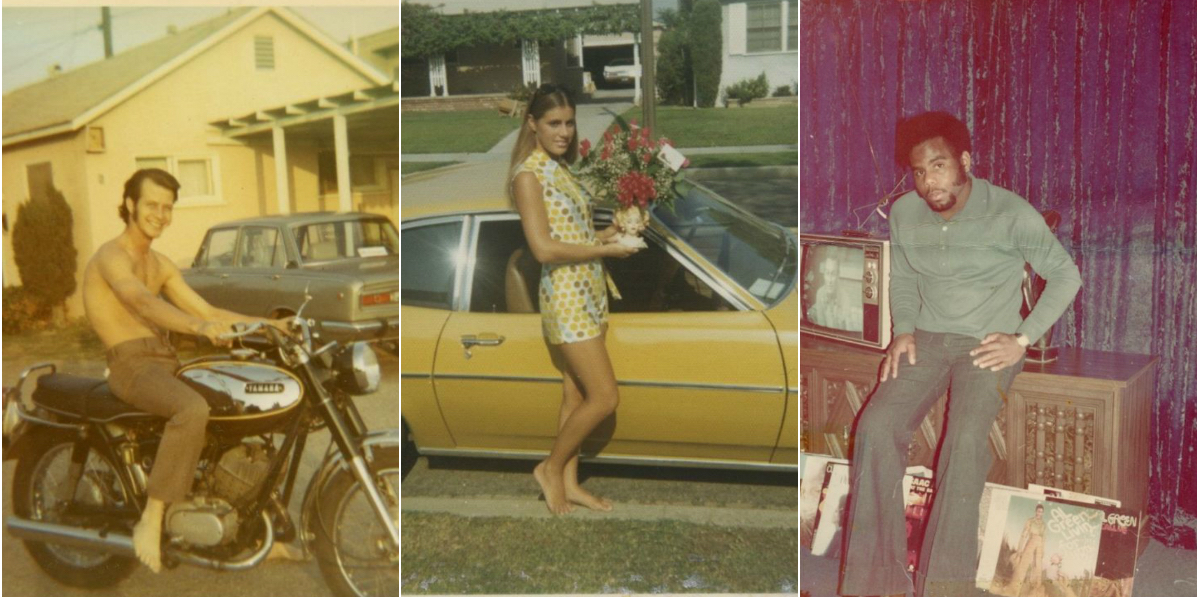
The early 1970s occupy a strange and unsettling place in cultural memory. For many people looking back, the years between roughly 1968 and 1974 don’t carry the colorful optimism of the 1960s or the glittery exuberance of the later ’70s. Instead, they feel heavy, eerie, and in some ways almost post-apocalyptic—a national hangover after the chaos and promises of the counterculture collapsed.
A Cultural Hangover
The late 1960s ended with a boom of cultural experimentation, youth rebellion, and political upheaval. But by the early ’70s, the energy had soured. Cities were plagued by crime and decay, drugs were no longer countercultural but a widespread crisis, and broken families were increasingly visible. Sleaze dominated parts of mainstream culture—from porn theaters to peep shows—while deeper issues such as teen pregnancy, absentee parents, and addiction came to the surface. Layered on top of this was the chilling reality that dozens of serial killers were active at the same time, a fact society only grasped in hindsight. Despite all this, many Americans still left their doors unlocked.
The Look and Feel of an Era
Even the aesthetics of the early ’70s contribute to the unease. The shaggy hair, polyester clothes, and faded photo tones give off an uncanny quality that feels artificial to modern eyes. As one commenter put it, the early ’70s give off the same “uncanny valley” vibe that the 1950s did to the creators of Fallout.
Paranoia and Pop Culture
This mood seeped into film and music. Paranoia thrillers like The Parallax View, The Conversation, and All the President’s Men reflected a society losing trust in institutions. Disaster films, cult scares, and the rise of horror like The Exorcist mirrored widespread anxieties. Music shifted too: the utopian dreams of the hippies gave way to darker, edgier sounds, though by the late ’70s disco, punk, and new wave revived a sense of excitement.
Cults, Control, and Collapse
The period was also marked by the explosion of cults, and with them, the rise of “deprogrammers” hired by families to rescue loved ones. Stories of abductions and brainwashing became household fears, feeding the sense that America had lost its cultural center. Writers like Stephen King drew on this climate—his novel Firestarter being one example inspired by the cult phenomenon.
Children of the ’70s
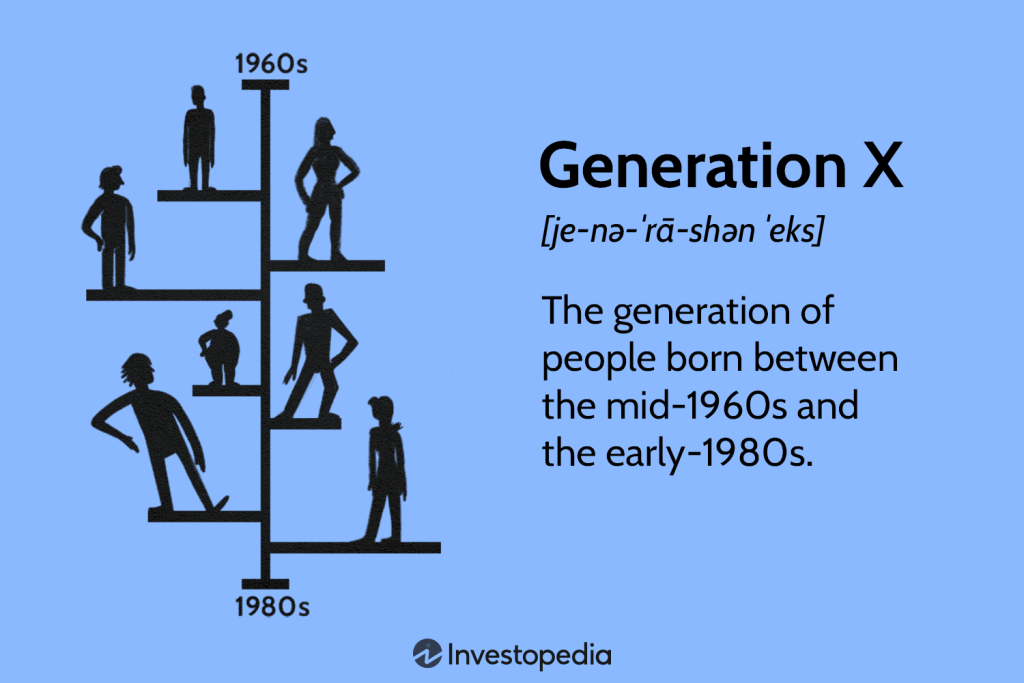
For Gen X, who were children during this era, the memories are complicated. Many recall growing up with little supervision, surrounded by smoking, drinking, and neglect. Some saw this freedom as formative, others as frightening exposure to danger and inappropriate adult behavior. Commenters in the discussion noted that the 1970s were a hostile time for children—one that shaped both Gen X and the tail end of the Baby Boomers in lasting ways.
Echoes Today
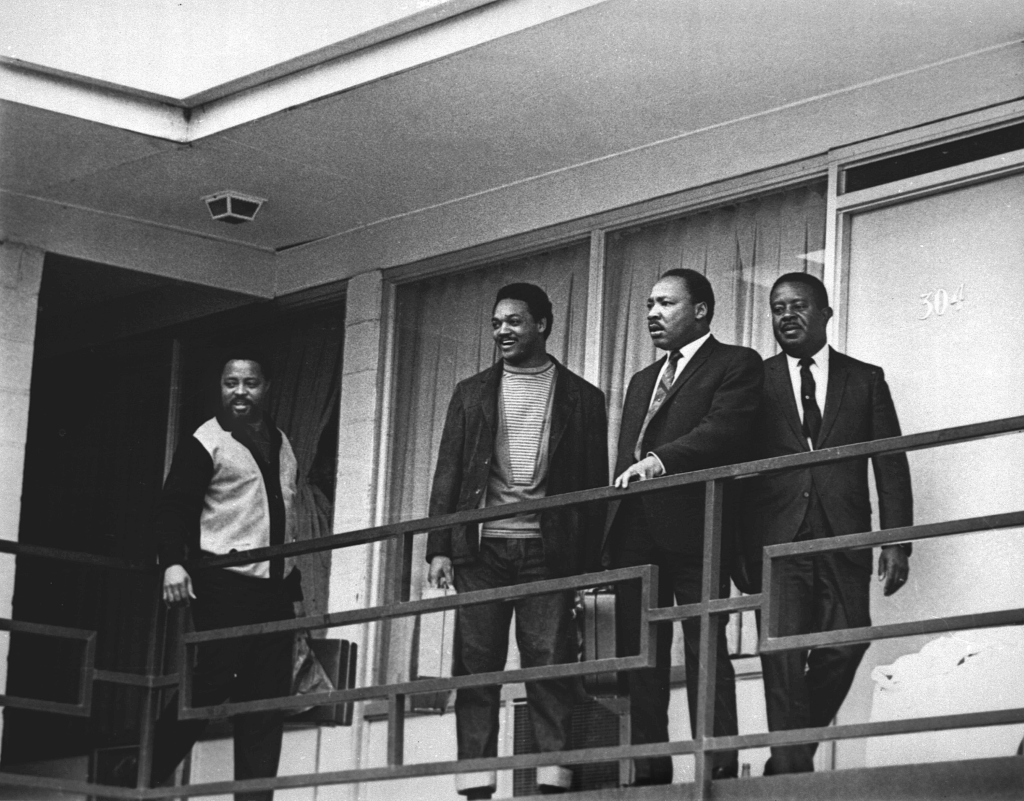
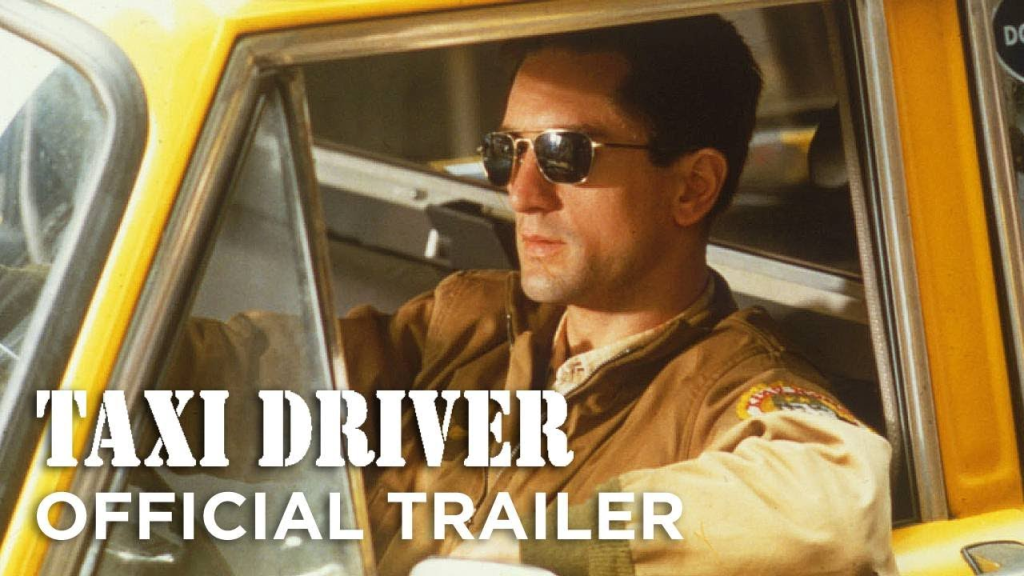
Interestingly, several participants compared the early ’70s to our current era. Just as the optimism of the 1960s dissolved into disillusion, many feel the hopeful energy of the 2010s collapsed into cynicism after 2020. Economic strain, cultural division, technological stagnation, and political unrest echo that same feeling of malaise. Movies like Taxi Driver were mentioned as mirrors of that era’s despair, with some suggesting we’re reliving a similar cycle today.
A Forgotten but Defining Moment
Ultimately, the early 1970s were a transitional time—a “metaphorical hangover” between two cultural highs. The hippie dream was dead, but the disco lights hadn’t yet switched on. What remained was grit, fear, and confusion. Looking back, it’s no wonder the period gives off an eerie vibe: it was the moment America stumbled through the shadows, unsure of what would come next.












Post Comment