RFK Jr. Demands Retraction of Vaccine Study — But the Journal Stands Firm
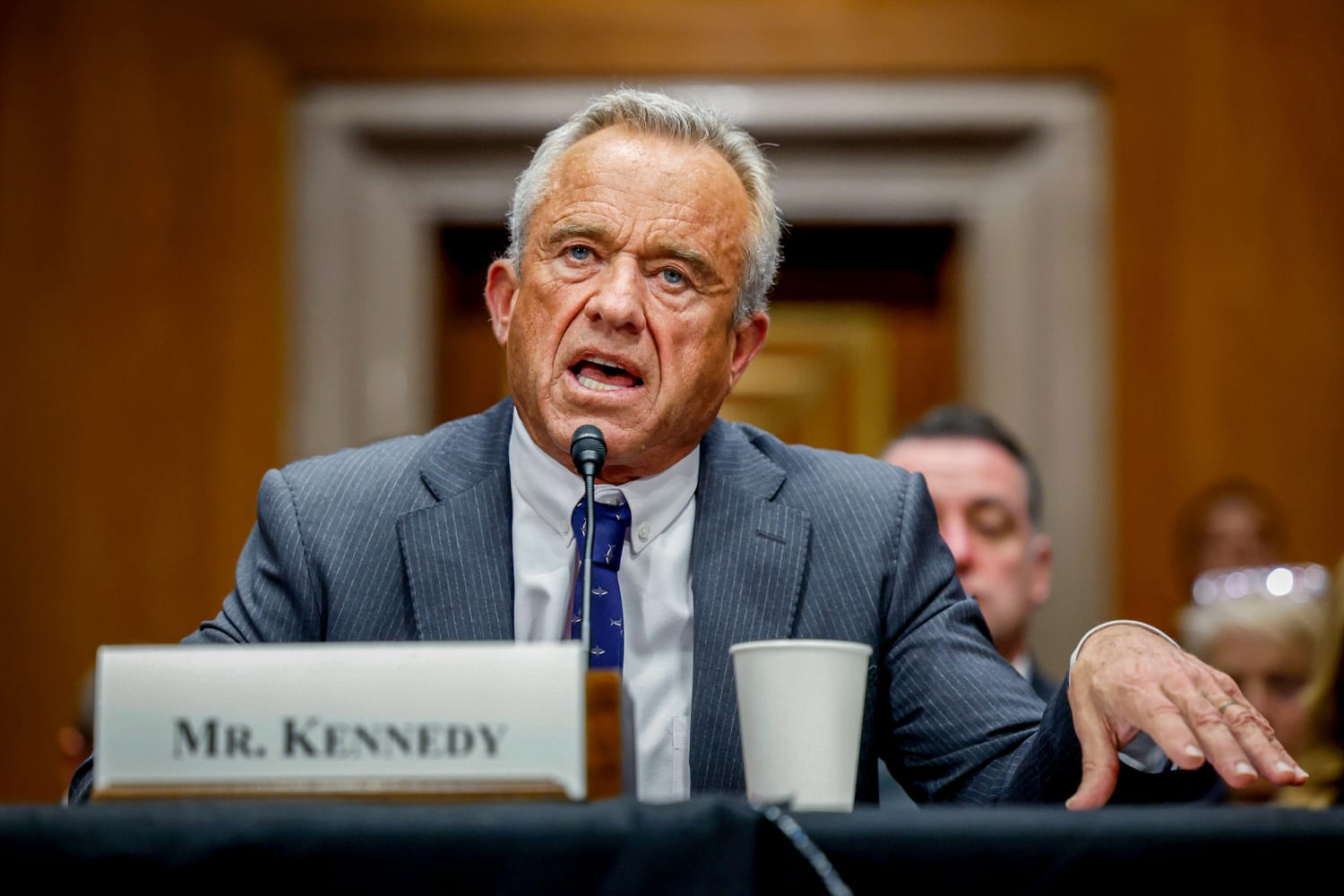
A fresh controversy has erupted in the scientific and political arenas after Health and Human Services Secretary Robert F. Kennedy Jr. demanded that a leading medical journal retract a major study affirming vaccine safety. The journal declined the request, defending its research integrity and peer-review process — setting off a debate over the limits of political influence in science.
The study in question, published earlier this year, involved one of the largest sample groups ever analyzed in vaccine research. It compared the health outcomes of vaccinated and unvaccinated children across multiple states, concluding that vaccines are overwhelmingly safe, with no statistically significant link to autism or other chronic illnesses.
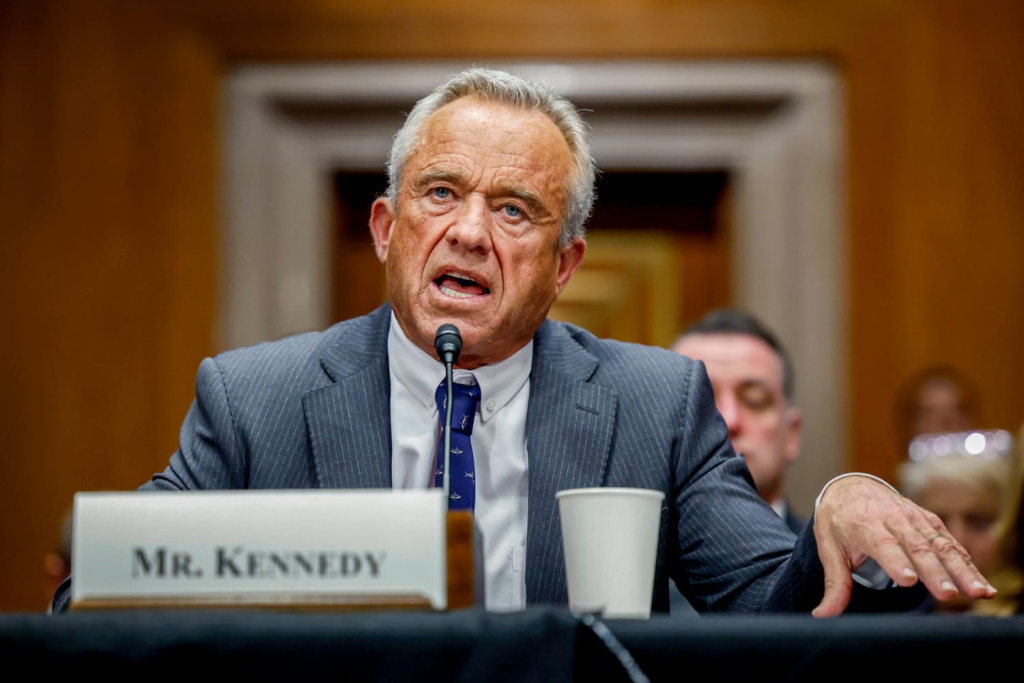
Kennedy, however, sharply criticized the findings. In a letter sent to the journal’s editorial board, he alleged that the study “failed to account for critical confounding variables” and “ignored potential long-term neurological impacts associated with adjuvants such as aluminum.” Kennedy also questioned the independence of several authors, citing what he described as “undisclosed ties to pharmaceutical manufacturers.”
The Journal’s Response: Standing by the Data
The journal responded publicly, saying that it had “no plans to retract or amend the study.” Editors noted that the research had undergone multi-stage peer review by independent experts in epidemiology and pediatric medicine.
“Disagreement with findings is not grounds for retraction,” the editorial board said in a statement. “The study’s data and methodology meet the highest standards of scientific integrity, and the results remain reproducible and transparent.”
According to the journal, Kennedy’s objections lacked specific evidence of data manipulation or ethical misconduct — two of the primary criteria under which retractions are considered. Instead, they framed his demand as a policy disagreement masquerading as a scientific critique.
Kennedy’s Broader Crusade Against the Vaccine Establishment
Robert F. Kennedy Jr. has been one of the most controversial figures in American health policy, long known for questioning vaccine safety and criticizing pharmaceutical influence in government. Before joining the Trump administration as Health Secretary, Kennedy led several nonprofit initiatives opposing mandatory vaccination laws and calling for stricter oversight of vaccine testing.
Since taking office, Kennedy has pushed for what he calls “medical transparency and accountability,” a platform that has divided both the scientific community and the general public. Supporters say he is raising valid questions about regulatory conflicts of interest, while critics accuse him of undermining public confidence in proven science.
Scientific Community Pushes Back
Several prominent medical organizations have defended the integrity of the study. The American Academy of Pediatrics called it “methodologically sound and statistically robust,” while the World Health Organization noted that similar research over decades has yielded consistent findings regarding vaccine safety.
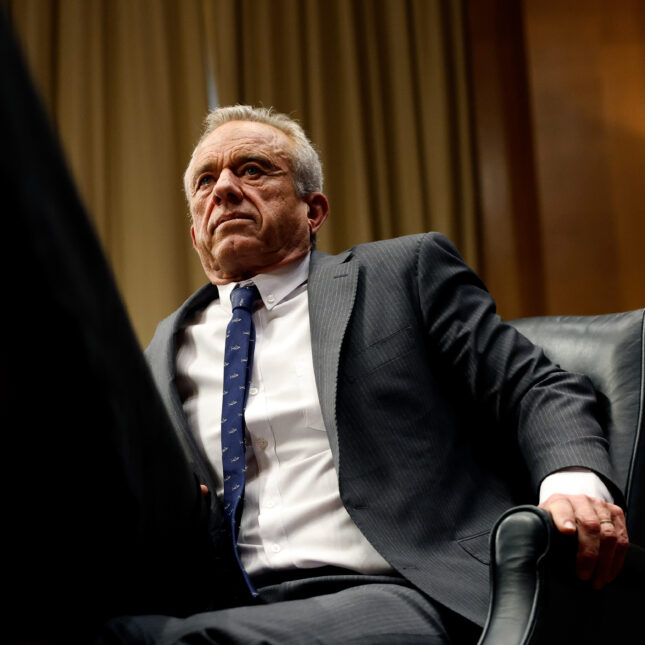
Dr. Elaine Carter, an immunologist at Johns Hopkins University, said Kennedy’s call for a retraction “reflects a misunderstanding of how scientific correction works.”
“If Secretary Kennedy believes the data is flawed, he should conduct a competing study and publish it,” Carter said. “That’s how science resolves debate — through more evidence, not political pressure.”
A Larger Battle Over Trust and Authority
The clash underscores a growing tension between science and politics in the post-pandemic era. With public skepticism about institutions running high, Kennedy’s challenge taps into populist distrust of pharmaceutical companies and government agencies. Yet by directly pressuring a medical journal, experts warn he may be crossing a line that separates political advocacy from scientific interference.
For now, the journal has reaffirmed its position and vowed not to alter the published record. Kennedy, meanwhile, has signaled that he may call for an independent review of vaccine studies funded by federal grants.
Whether this latest dispute sparks meaningful reform or simply deepens the divide over vaccine science remains to be seen — but one thing is clear: the debate over vaccines, science, and political power is far from over.







Post Comment