Ketanji Brown Jackson rebukes attorney in Supreme Court case: ‘No it’s not’
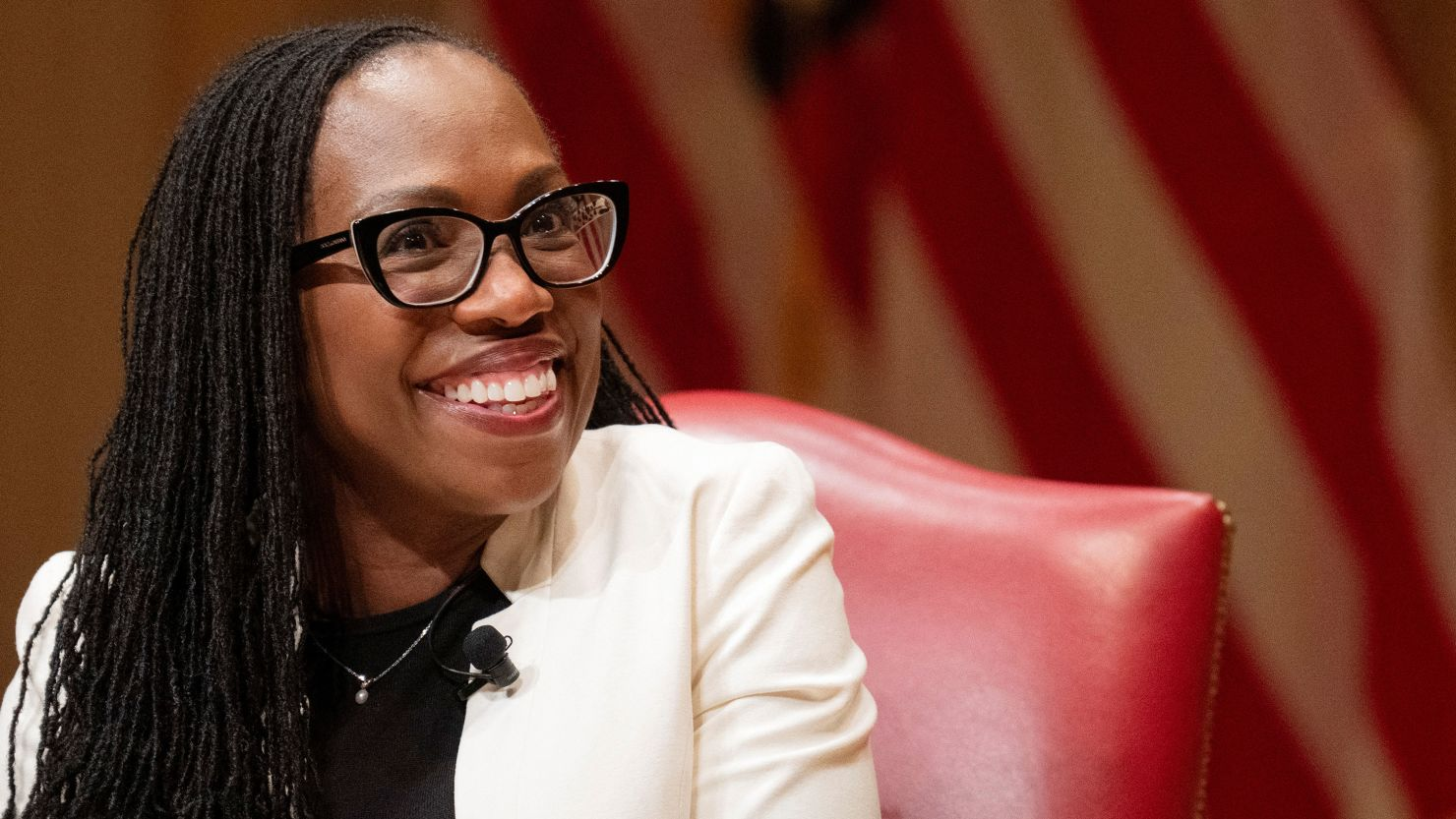
Justice Ketanji Brown Jackson Clashes with Louisiana Over Voting Rights in High-Stakes Supreme Court Case
During heated oral arguments on Wednesday in Louisiana v. Callais, Justice Ketanji Brown Jackson forcefully pushed back against an attorney defending Louisiana’s congressional map — interrupting his claim that plaintiffs were simply seeking a second majority-Black district.
“No, it’s not,” Jackson cut in sharply. “This case is about proven vote dilution and the constitutional obligation to remedy racial discrimination.”
Her exchange underscored the central tension in the case: whether efforts to fix racial inequities in redistricting can themselves be seen as racial discrimination.

The Stakes
The outcome of Louisiana v. Callais could profoundly reshape how race is considered in drawing electoral maps — and potentially weaken Section 2 of the Voting Rights Act, the key federal safeguard against racial vote dilution.
If the conservative majority sides with Louisiana, experts warn it could become far harder to justify race-conscious redistricting, even when used to correct long-standing inequities. That could dramatically reduce minority representation in Congress and state legislatures — particularly as the 2026 midterms approach.
How We Got Here
After the 2020 census, Louisiana’s legislature approved a congressional map that included only one majority-Black district out of six, despite Black residents making up nearly a third of the population.
Civil rights groups sued, arguing the map diluted Black voting power under the Voting Rights Act. A federal court agreed, ordering lawmakers to add another majority-Black district.
Lawmakers complied — but soon after, white voters challenged the revised map, claiming it discriminated against them by prioritizing race. A lower court sided with those plaintiffs, calling the new map an unconstitutional racial gerrymander.
The Supreme Court temporarily allowed the map for the 2024 elections but reopened the case for further review this term — an unusually rare step that suggests the justices are considering a broader ruling.
Jackson’s Rebuttal
When Louisiana Solicitor General Benjamin Aguiñaga argued that the plaintiffs’ goal from the start was to gain “another majority-Black district,” Justice Jackson immediately corrected him:
“I thought they came in and said, we are not receiving equal electoral opportunity because our votes are being diluted,” Jackson said.
“That’s not the same thing. The second district is a remedy for a proven problem — not an entitlement.”
Why It Matters
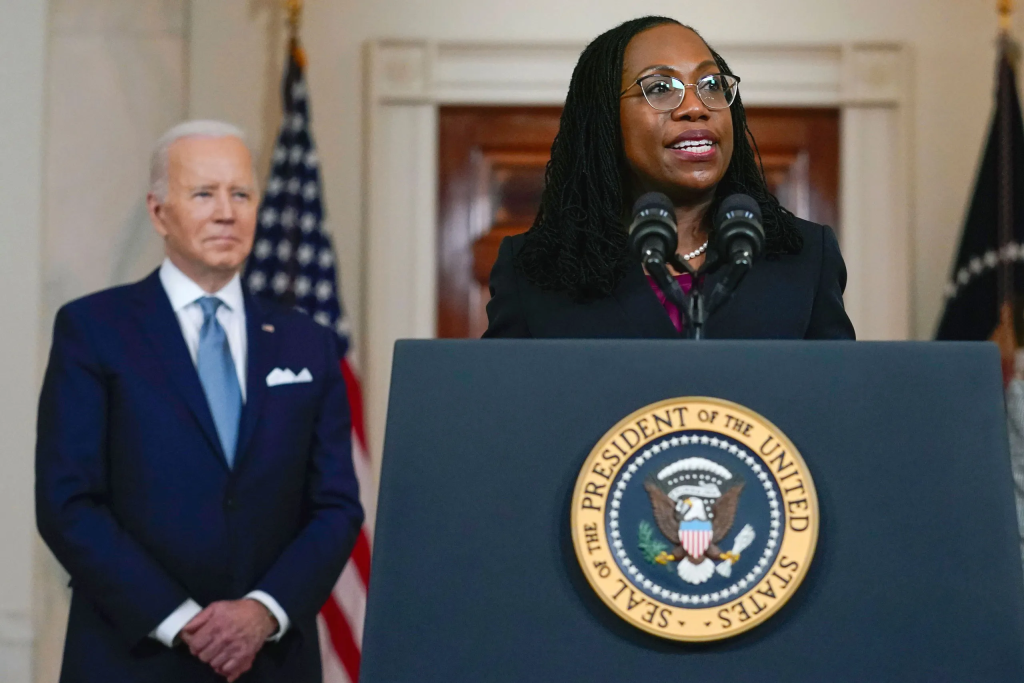
Her remarks, echoed by Justice Elena Kagan, highlighted the constitutional interest in remedying racial discrimination, not reinforcing racial divisions.
Legal scholars note that a ruling against the map could set a national precedent limiting race-conscious districting altogether — potentially giving Republicans up to 19 new safe House seats if similar maps in other states are struck down.
Advocates fear Callais could become the next Shelby County v. Holder (2013), the decision that gutted preclearance protections and weakened federal oversight of voting laws in states with histories of racial discrimination.
What’s Next
A ruling is expected later this term. Whatever the outcome, Louisiana v. Callais is poised to be one of the most consequential voting rights cases in a decade — defining how, and whether, America continues to remedy racial inequities in representation.












Post Comment