Lana Del Rey: A Timeless Icon of Music, Art, and Culture
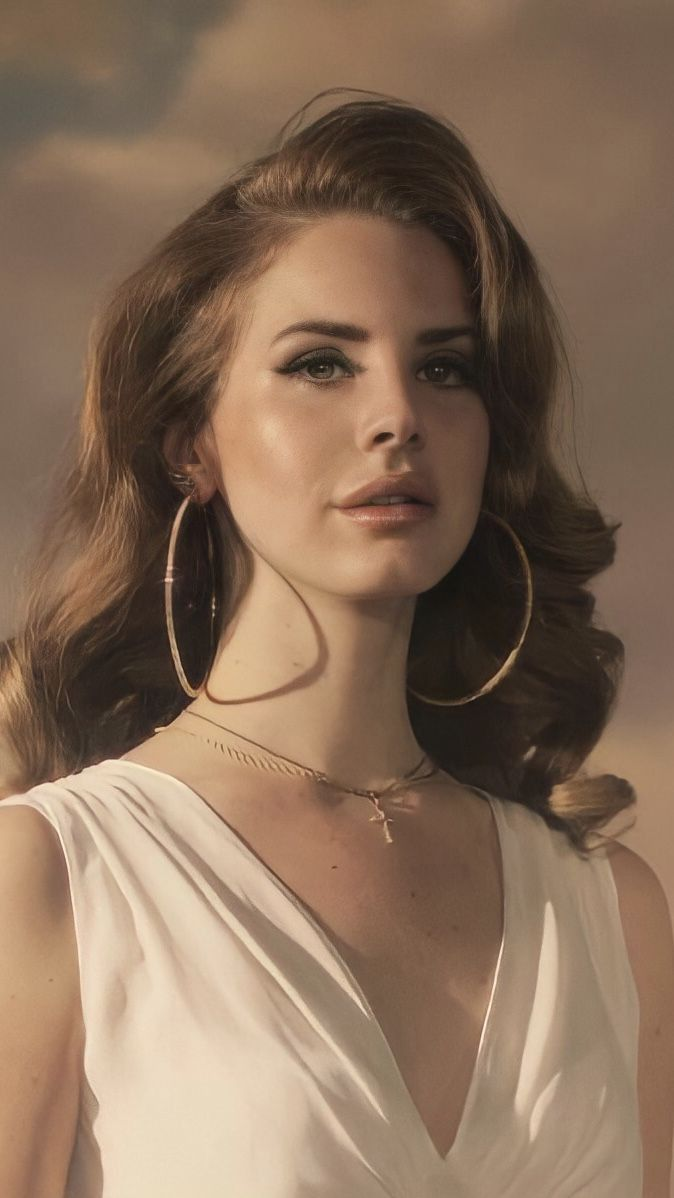
Lana Del Rey, born Elizabeth Woolridge Grant on June 21, 1985, in New York City, grew up surrounded by the serene beauty of Lake Placid, New York. This quiet environment shaped her deep connection to literature, classic cinema, and the melancholic glamour of American pop culture. From an early age, she sang in her church choir and turned her poetry into the first drafts of what would later become her hauntingly beautiful lyrics.
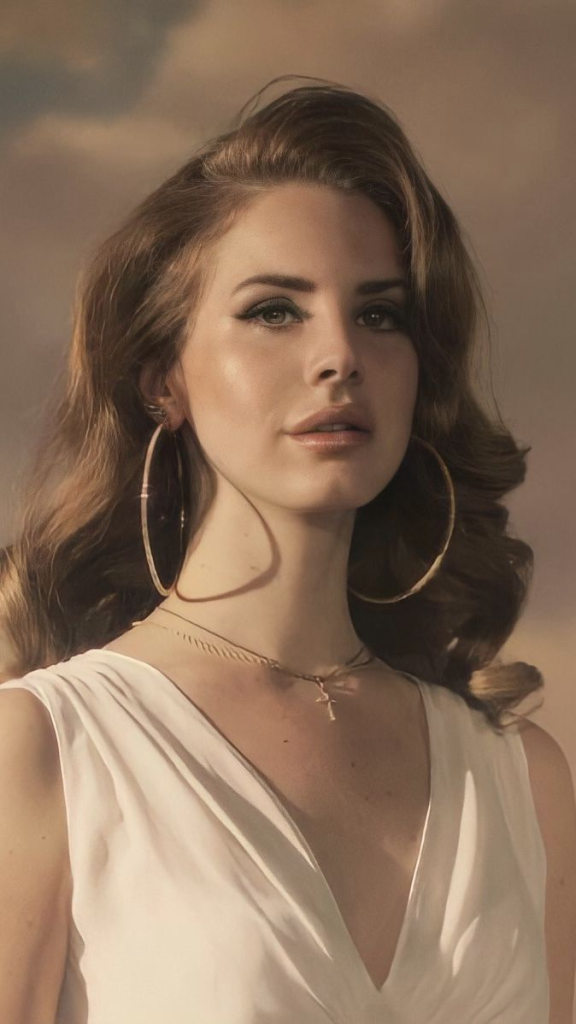
Her journey toward artistry began long before fame. At Fordham University, she studied philosophy while quietly nurturing her musical ambitions. This unique blend of intellectual curiosity and emotional depth would ultimately form the bedrock of her songwriting style—introspective, nostalgic, and evocative.
The Struggle Before Stardom
Long before the world knew her as Lana Del Rey, she experimented with different stage names and performed in small clubs around New York. These intimate shows allowed her to refine her craft, build resilience, and test her artistry without industry pressure.
Unlike many who sought quick fame, she took her time. She collaborated with underground producers, recorded demos, and cultivated her distinctive smoky, cinematic sound. While pop music in the early 2000s leaned toward bright, radio-friendly tunes, Lana’s moody vocals and vintage-inspired style were a clear departure—a risk that would eventually pay off.
Video: Lana Del Rey – Summertime Sadness (Official Music Video)
Breakthrough with “Video Games”
In 2011, everything changed. Her single “Video Games” was released, and suddenly the world was paying attention. Its melancholic orchestration paired with a nostalgic, self-made video felt fresh and yet timeless. The song wasn’t just a hit—it was a cultural moment.
With this track, Lana carved a lane of her own, introducing a sound and aesthetic that combined old Hollywood glamour with modern vulnerability. It wasn’t just music—it was an atmosphere, a cinematic experience that drew listeners into her world.
Born to Die and Global Recognition
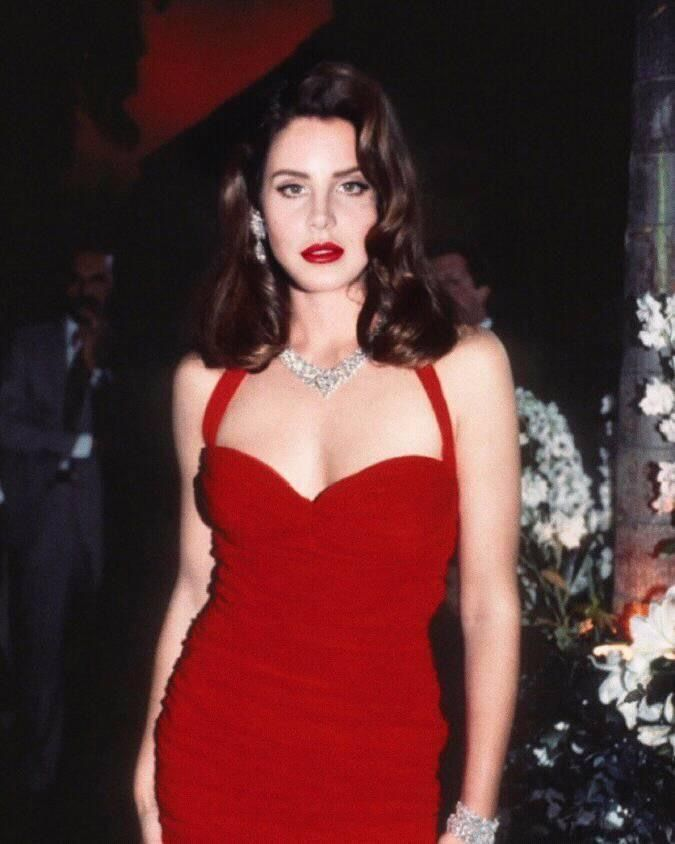
Her debut studio album Born to Die (2012) solidified her as a force in modern music. Tracks like “Summertime Sadness” and “Blue Jeans” blended trip-hop beats with orchestral strings, creating a soundscape that was both dreamy and devastating.
Though critics debated her authenticity, audiences embraced her. The album topped charts worldwide and became one of the best-selling albums of its era. What stood out wasn’t just her sound, but her unapologetic embrace of themes like doomed romance, longing, and the fragile beauty of life.
Artistic Evolution: Ultraviolence to Honeymoon
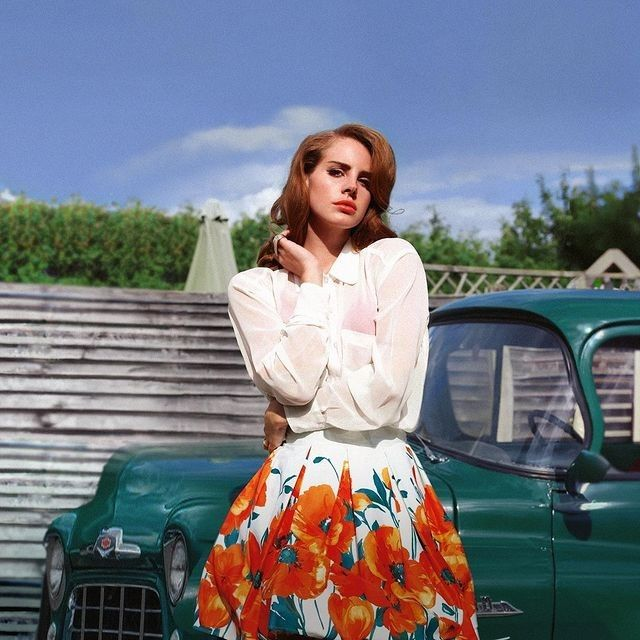
Never one to stay static, Lana’s second album, Ultraviolence (2014), shocked fans with its raw, guitar-driven rock edge. Produced by The Black Keys’ Dan Auerbach, the album leaned into grittier territory while maintaining her lyrical vulnerability.
The following year, she returned to lush orchestral compositions with Honeymoon (2015). This record highlighted her ability to shift between styles without losing her identity. From noir-inspired ballads to sweeping cinematic tracks, Lana proved she wasn’t confined to one genre—she was creating her own.
The Lana Del Rey Persona: Style, Imagery, and Influence
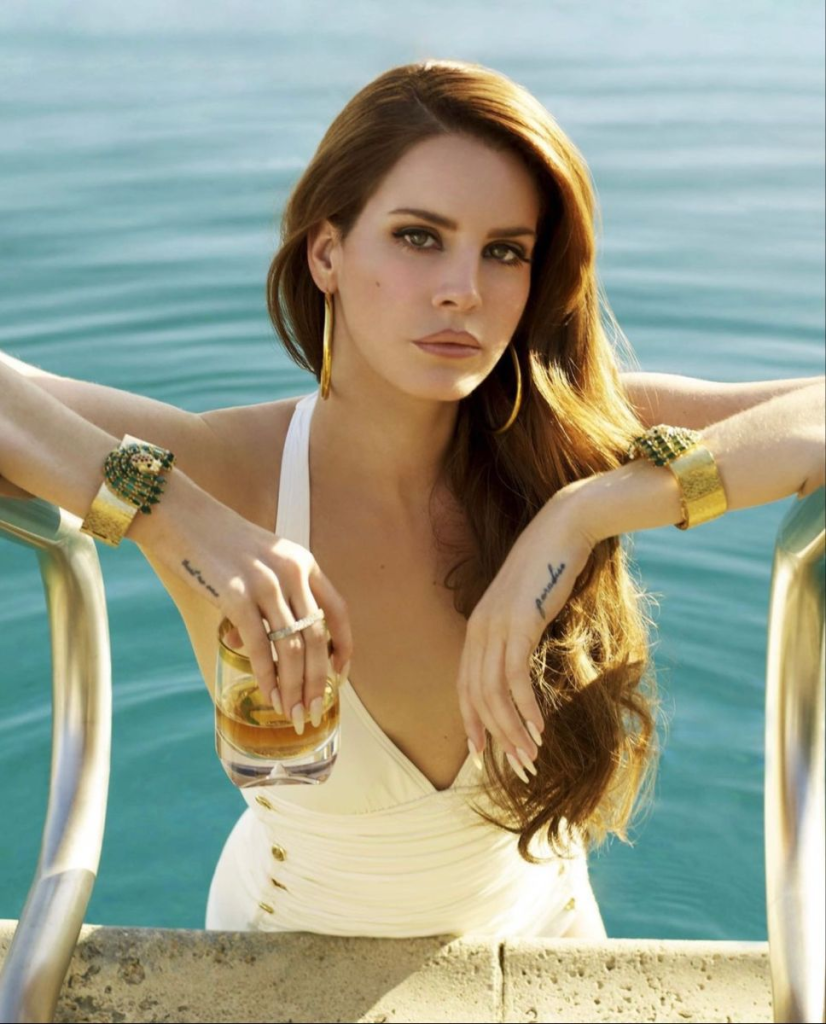
Lana Del Rey is more than a singer; she’s a storyteller who built an entire persona. Her imagery—American flags, desert highways, neon motels, and retro glamour—pulls heavily from the past while feeling eerily relevant to the present.
Her fashion, often rooted in vintage silhouettes and romantic flair, turned her into a cultural icon. She became synonymous with flower crowns, retro eyeliner, and cinematic melancholy. This aesthetic consistency has influenced countless new artists who view her not just as a musician but as a blueprint for crafting an immersive world.
Collaborations and Recognition
Video: Lana Del Rey – Born To D*e
Over time, Lana collaborated with major names like The Weeknd and Stevie Nicks, blending her haunting voice with diverse styles. These partnerships reinforced her versatility and her respect across generations of musicians.
Her artistry has earned multiple Grammy nominations and critical acclaim, though her relationship with the press has often been complicated. Yet, what remains undeniable is her loyal fan base, drawn to the intimacy and honesty in her work.
Depth Beyond Music: Writing, Activism, and Vulnerability
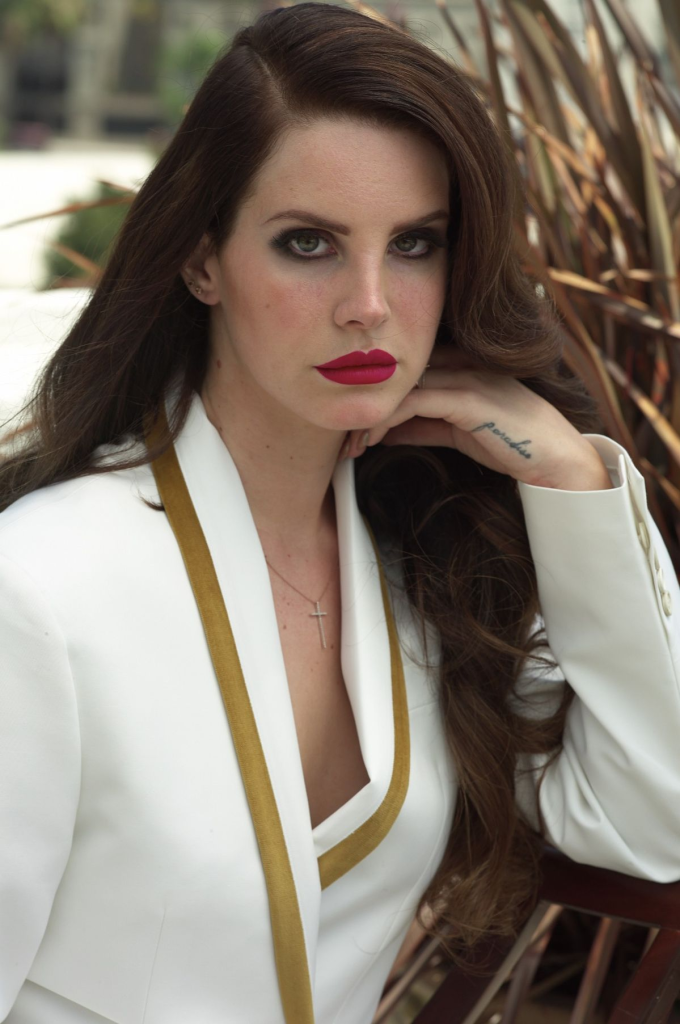
Lana Del Rey’s artistry doesn’t end at music. She has published poetry, contributed to film soundtracks, and shared raw insights into fame, mental health, and society. Her transparency makes her feel relatable even as she maintains an aura of mystery.
Her subtle activism—supporting mental health awareness, social justice, and environmental causes—shows a quieter side of her influence. Unlike artists who loudly broadcast philanthropy, Lana weaves her values naturally into her art and presence.
Recent Work and Continued Impact
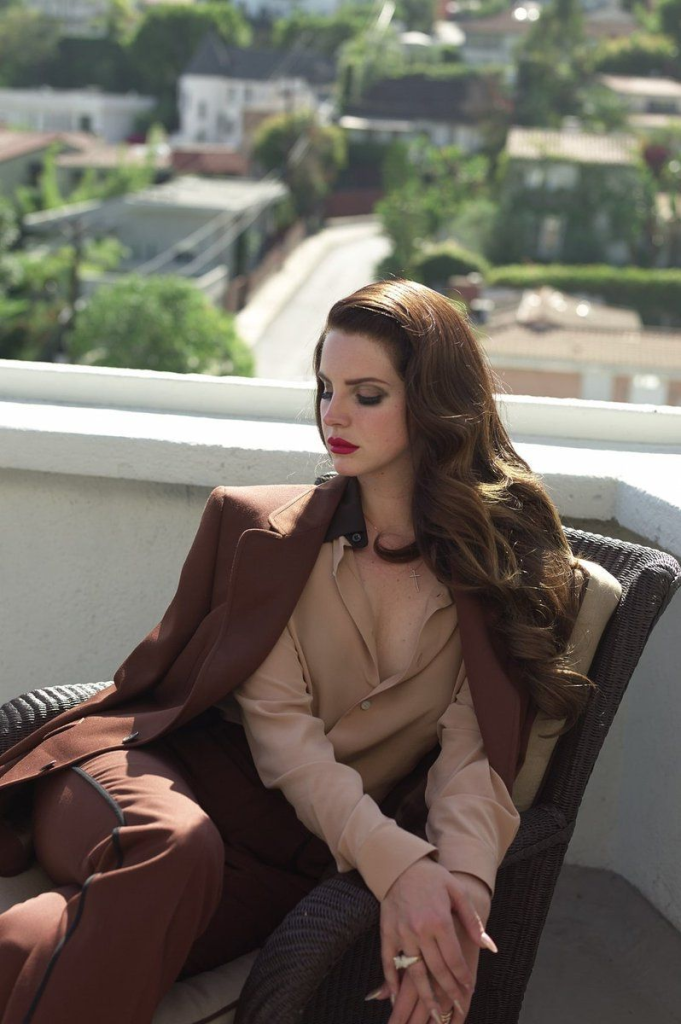
Albums like Norman F*****g Rockwell! (2019) and Chemtrails Over the Country Club (2021) showcased her growth as a songwriter. Critics praised the maturity of her lyrics, her nuanced political undertones, and her ability to reinvent herself while staying true to her core.
She has proven that her music isn’t about chasing trends. Instead, it’s about creating timeless art—songs that feel just as relevant now as they might decades later. Her influence is clear in the new wave of introspective pop artists who cite her as a major inspiration.
Conclusion: Lana Del Rey’s Enduring Legacy
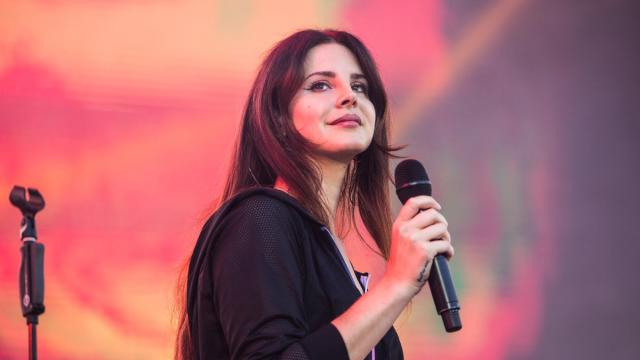
From a small-town girl with a notebook full of poems to a global icon, Lana Del Rey’s journey is a testament to patience, authenticity, and vision. She has redefined what it means to be an artist in the modern era—someone who blurs the line between music, poetry, cinema, and cultural commentary.
Her story is far from finished. Each album adds a new layer to her artistic legacy, reminding us that she is not just a musician, but a visionary. Lana Del Rey continues to invite us into her world—a world of nostalgia, melancholy, and haunting beauty—proving that true artistry never fades.












Post Comment