Kim Davis Loses Final Bid with Supreme Court

The U.S. Supreme Court has declined to review former Rowan County Clerk Kim Davis’ final petition, effectively ending her years-long legal battle. Davis, who in 2015 refused to issue marriage licenses to same-sex couples, was found by both the U.S. District Court for the Eastern District of Kentucky and the U.S. Court of Appeals for the Sixth Circuit to have violated the constitutional rights of the couples she denied.
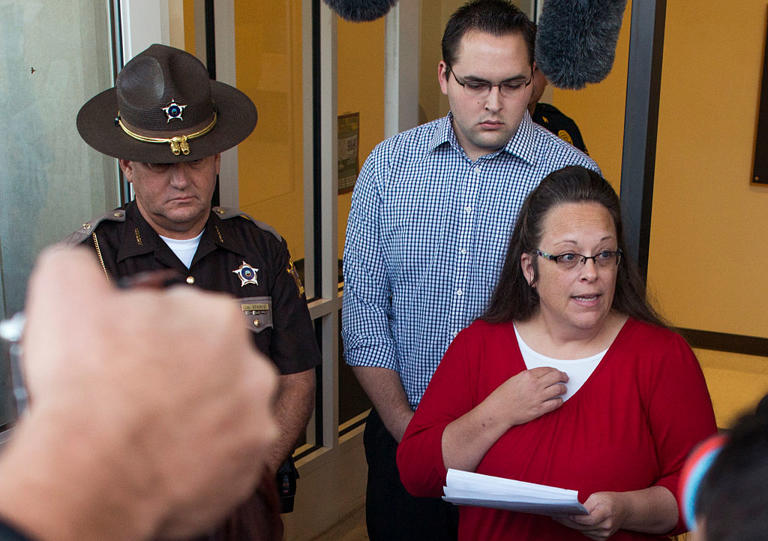
Liberty Counsel, which represented Davis, urged the Supreme Court to revisit Obergefell v. Hodges, arguing that forcing a public official to issue marriage licenses in contradiction to their religious beliefs would be unconstitutional. The Court declined to take the case.

Liberty Counsel founder Mat Staver said the group will continue efforts to challenge the marriage-equality precedent, stating:
“Three sitting justices have issued strong dissents to Obergefell. A majority surely knows that the opinion was wrongly decided… What Kim Davis began will continue. Now we move to Phase 2, where other individuals, states, and local governments assert their rights to religious liberty and the Tenth Amendment. The days of Obergefell are numbered.”
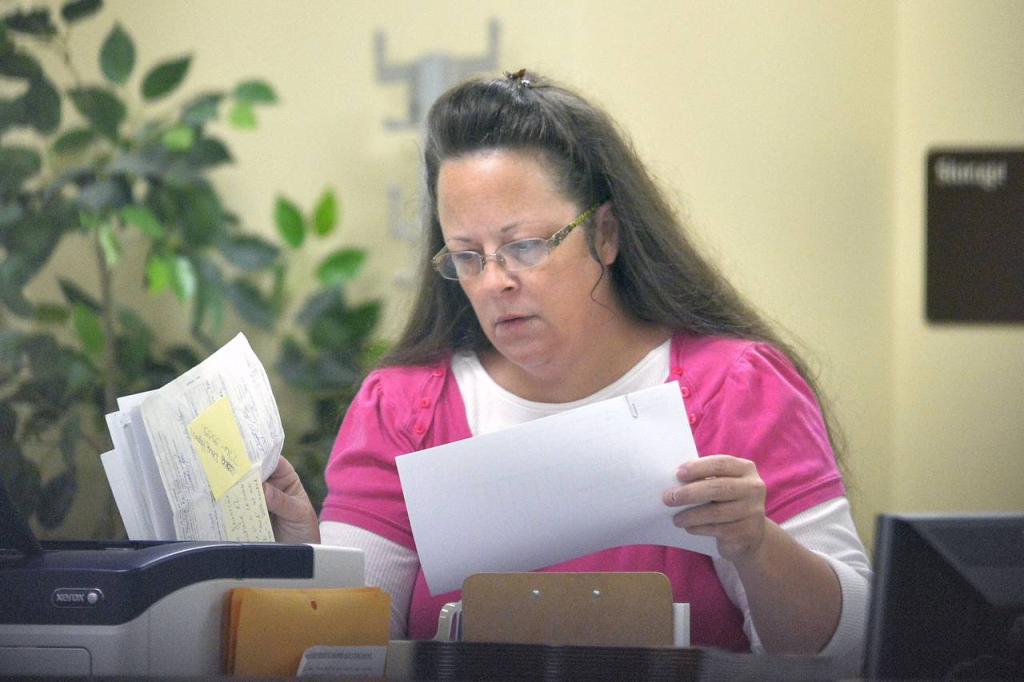
The legal consequences for Davis, however, have already been significant. A 2023 jury and subsequent judgments awarded more than $360,000 to plaintiffs David Ermold and David Moore. Attorneys from Georgetown Law’s Institute for Constitutional Advocacy and Protection argued that the First Amendment does not allow a public official to use their personal beliefs to deny constitutional protections to citizens.
Professor John Culhane noted that the petition faced steep odds:
“You didn’t have the votes to overturn Obergefell. We have a very unsympathetic petitioner here — someone who openly defied the law and withheld marriage licenses, claiming a religious liberty interest. That’s no valid reason for denying couples the licenses they were entitled to.”
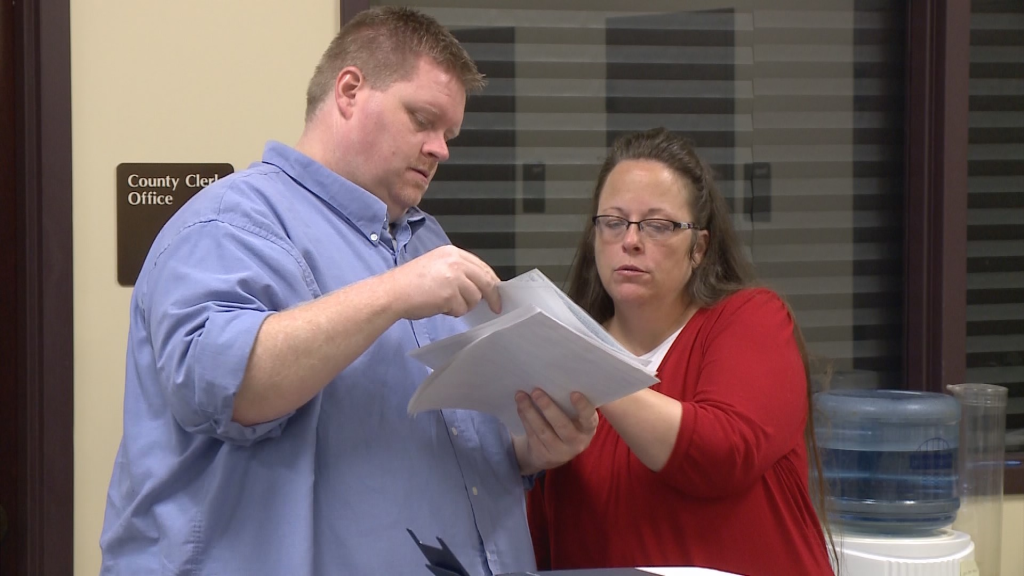
Legal experts say the Court’s refusal to hear the case preserves nationwide reliance on Obergefell, protecting legal, financial, and family structures built on marriage recognition. Critics of Davis’ actions argue that the rulings reaffirm that public officials cannot cite private beliefs to deny constitutional rights — and the Supreme Court’s decision leaves Obergefell v. Hodges firmly in place.












Post Comment