“Paula Deen Breaks Her Silence: The Real Story Behind Her 2013 N‑Word Controversy”
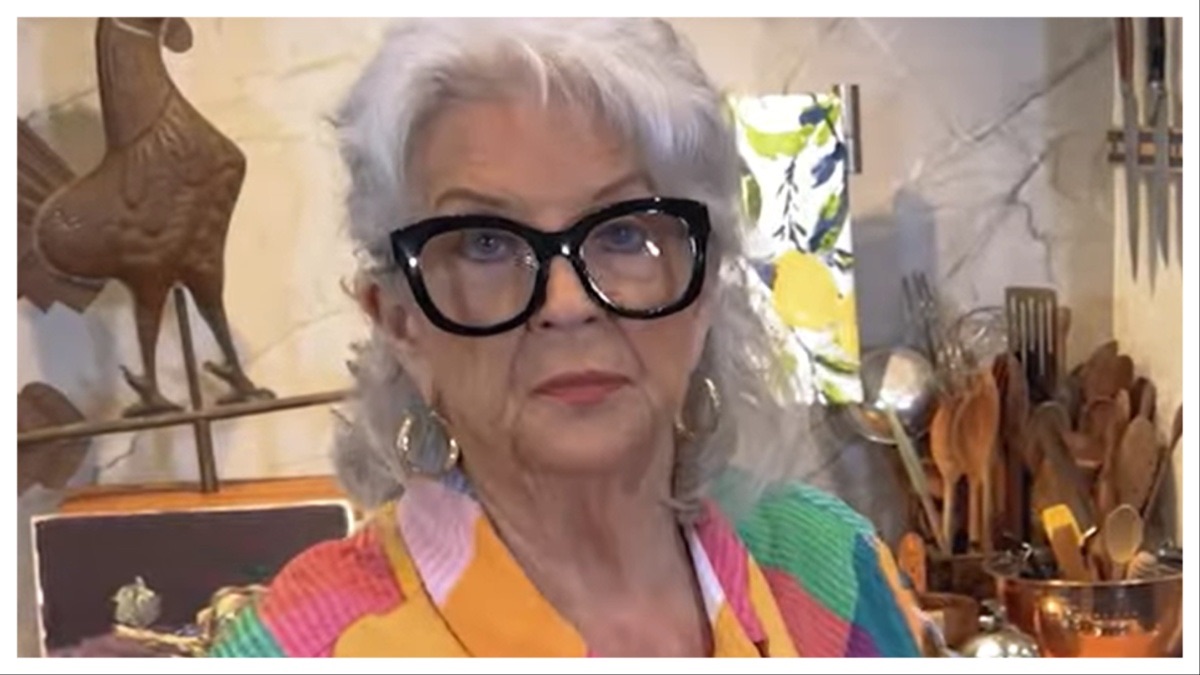
The rise and fall of Paula Deen’s television career is explored in the new documentary “Canceled: The Paula Deen Story.” At 78, Deen went from a local business owner in Savannah, Georgia, to a Food Network star celebrated for her Southern-style cooking. However, her growing food empire came crashing down following a racial slur scandal.
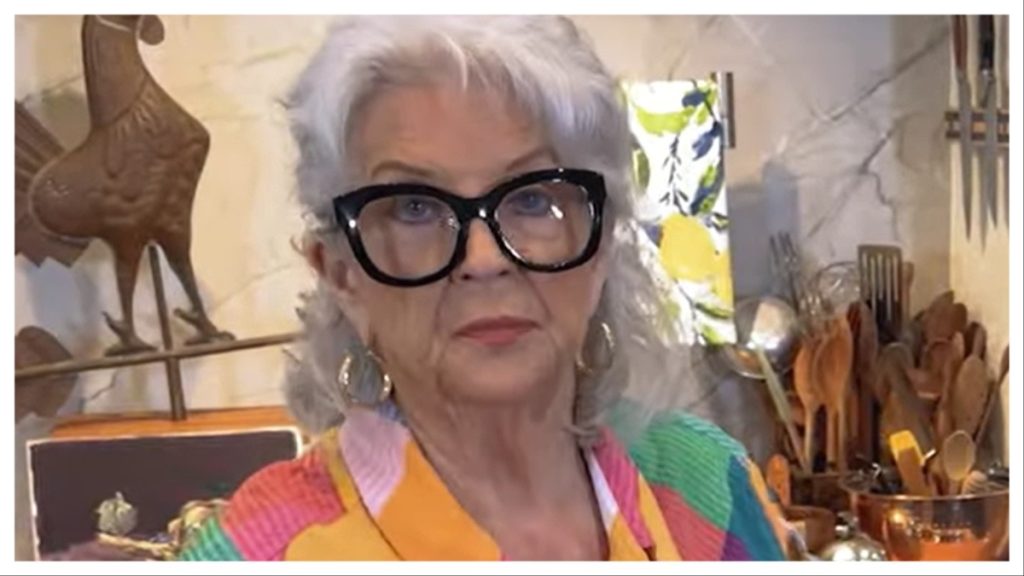
The network canceled Paula Deen’s contracts after one of her former employees, Lisa Jackson, sued her for racial discrimination in 2013. During a deposition for the lawsuit, the Georgia-born cookbook author admitted to having used the N‑word in the past. Her acknowledgment not only ignited public outrage but also led to the loss of major retail deals with Walmart, Target, and other companies.
A judge later dismissed Jackson’s claims, noting that as a white woman, she had no standing to sue over alleged anti-Black discrimination. Both parties subsequently agreed to dismiss the case, fueling speculation that Deen reached a settlement with her former Savannah restaurant general manager.
The new documentary “Canceled: The Paula Deen Story”, which premiered at the Toronto International Film Festival on September 6, chronicles her dramatic rise and fall. For the film, The Hollywood Reporter spoke with Deen, who discussed her career and personal struggles alongside her adult sons, Jamie and Bobby Deen.
“This was something that ate at my gut every day. I would have been fine had the whole story been told — had the real story been told,” Deen told the publication. She continued, “They took this woman [the plaintiff], who is a known liar, they took her word and ran with it, and no one ever investigated further. I wasn’t going to be happy until the world saw the truth.”
Deen’s attempts at redemption have been fraught with contradictions. As the N‑word scandal threatened to destroy her public image, the Daytime Emmy Award winner issued a formal apology in 2013, which she now hints may have been insincere.
“I want to apologize to everybody for the wrong that I’ve done. I want to learn and grow from this,” she said in a video posted online in June 2013. “Inappropriate, hurtful language is totally, totally unacceptable.”
She added, “I’ve made plenty of mistakes along the way, but I beg you — my children, my team, my fans, my partners — please forgive me for the mistakes that I’ve made.”
The documentary paints a complex portrait of Deen: a beloved chef whose career skyrocketed thanks to her Southern-style cooking and warm television persona, yet who faced a dramatic public reckoning over issues of race, accountability, and the consequences of long-hidden words. For many, it’s a cautionary tale of fame, forgiveness, and the high stakes of public life.
Deen now appears to be admitting that her public apology was not entirely voluntary, claiming she was pressured into making the statements by her handlers. She told The Hollywood Reporter, “They made me. They brought me to New York. These two men, I couldn’t tell you who they were.”
Her son, Jamie, interjected, “Let’s straighten this out. Nobody made you apologize. The parameters they set, the team you had up here…” But Deen cut him off, saying, “It was two men, and it was a big, tall building in Manhattan.”
“They took me upstairs, introduced me to these two men, and told me, ‘You need to put out an apology.’ And I said, ‘What am I apologizing for? What am I supposed to be sorry about? I told the truth [at the deposition],’” Deen recalled.
She continued, “They weren’t supposed to release it until my team had approved it. I couldn’t even approve walking across the street. I was broken. Totally broken. So, I tried to make another one. And they said, ‘I guess that’s the best we’re going to get from you.’ Because I didn’t know what I was supposed to be apologizing for—being truthful while the other side had lied?”
Deen’s attempted comeback amid the controversy has sparked heated debates online. On Facebook, some fans of the former Paula’s Home Cooking host expressed a desire to move on, while critics remained unwilling to forgive.
“[A] better name would have been… ‘Consequences of My Own Actions: The Paula Deen Story,’ lol,” one user joked about Billy Corben’s documentary Canceled.
One former supporter admitted that the 2013 N‑word revelation had been a dealbreaker, writing, “I was one of her biggest fans until that happened.”
In contrast, a devoted fan defended her, commenting, “Get over it! She has paid the price for her past. Now it’s time to forgive.”