Supreme Court Declines to Revisit Same-Sex Marriage Ruling
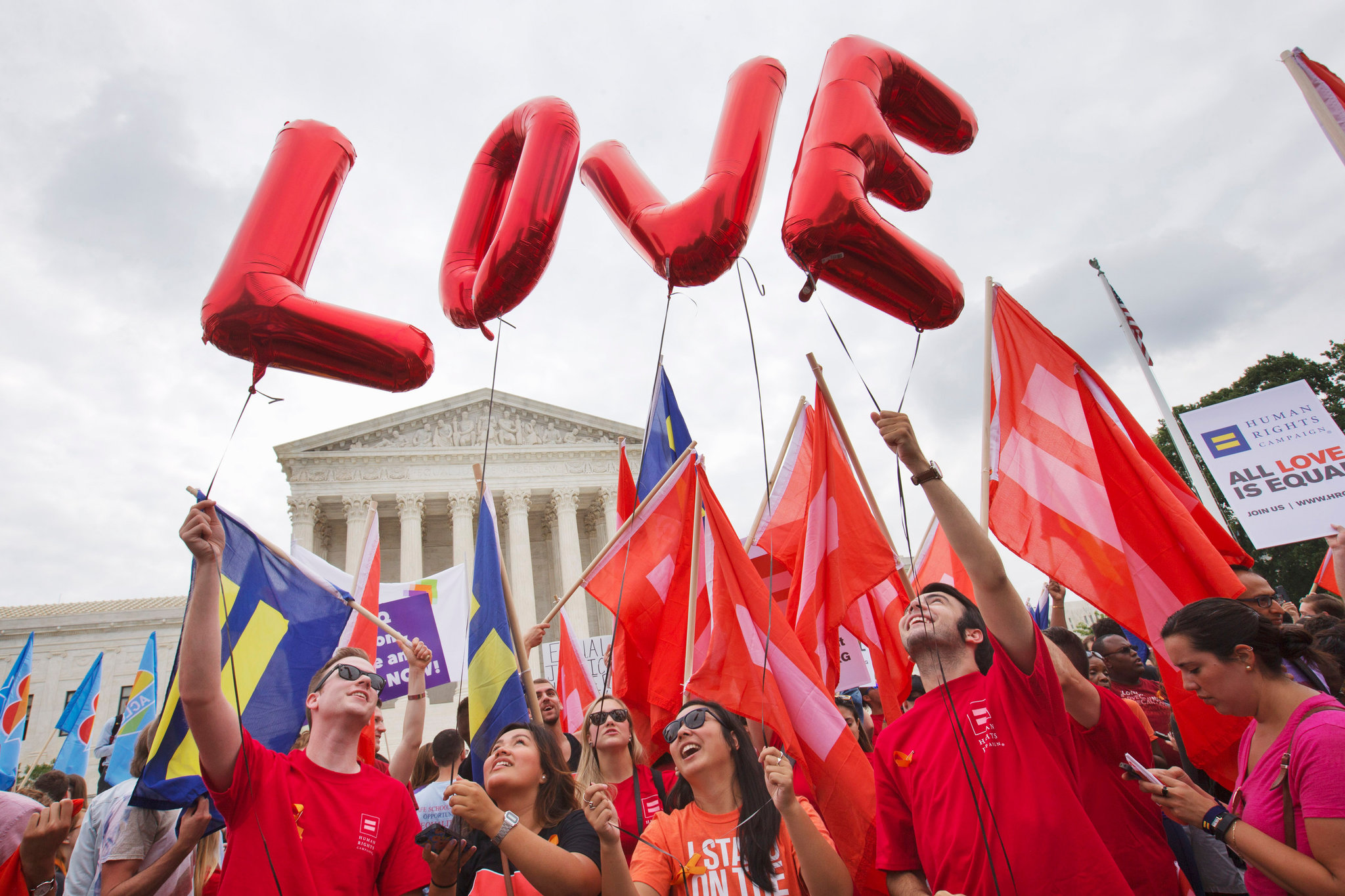
WASHINGTON — The Supreme Court has decided not to take up an appeal that could have reopened debate over the 2015 Obergefell v. Hodges ruling, which required every state in the nation to recognize same-sex marriage. The brief order leaves that decision intact — and leaves many Americans still wrestling with what the redefinition of marriage has meant for faith, family, and the role of government.
The appeal came from Kim Davis, the former Kentucky county clerk who became a symbol of conscience in 2015 when she declined to sign marriage licenses for same-sex couples, saying that to do so would violate her religious beliefs. Her stand landed her briefly in jail and set off a national discussion about the limits of religious liberty.
This month the justices turned away her petition, which had asked them to reconsider whether the federal government should have the power to override state marriage laws and compel officials of faith to act against their convictions.
DECLINED VIDEO
A Nation Still Divided on Definition
When Obergefell was decided ten years ago, it passed by a single vote — five to four. Chief Justice John Roberts warned in his dissent that “five lawyers have ordered every state to change their definition of marriage,” questioning whether such sweeping cultural change should come from the courts rather than the people.
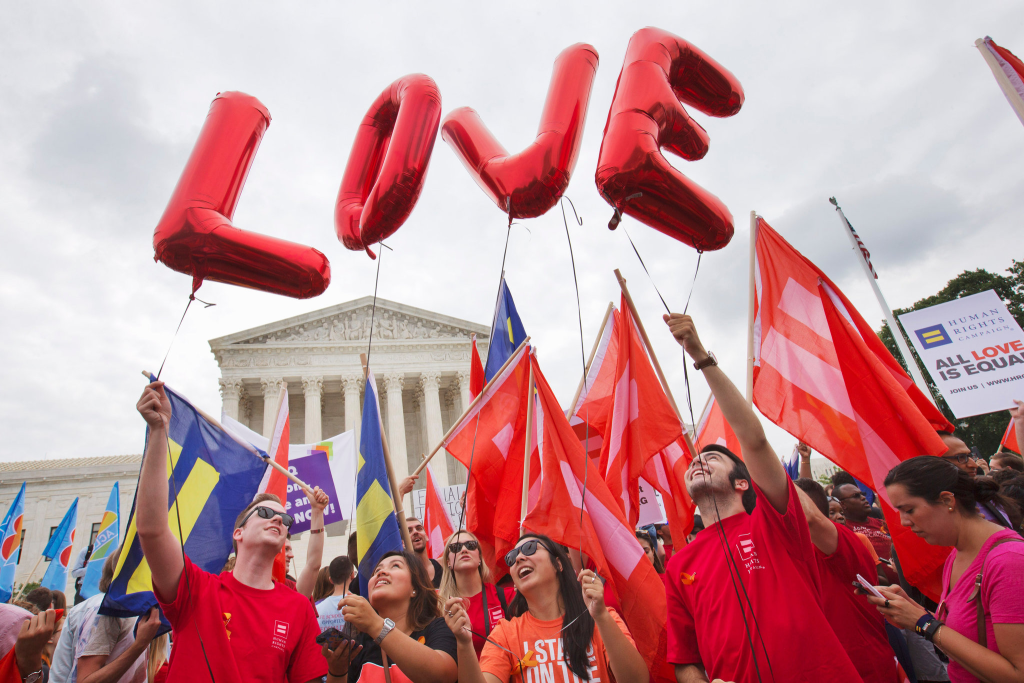
That concern continues today. Many citizens hold that marriage, understood for centuries as the union of a man and a woman, is foundational to society and best protected when defined through democratic debate, not judicial decree. Others believe the decision brought long-overdue legal recognition to same-sex couples. The tension between these two views has never fully settled.
The Case of Kim Davis
After refusing to issue marriage licenses following the Obergefell ruling, Davis was sued by a same-sex couple and ordered to pay damages and legal fees totaling more than $360,000. Her lawyers argued that she was punished not for breaking the law, but for holding to her faith — the same faith that guided countless public servants before her.
They appealed to the Supreme Court, saying that “if ever a case deserved review, it is the case of the first individual jailed for seeking accommodation for her religious beliefs.”
The Court declined.
Faith, Freedom, and the Future
Although the Court now holds a 6–3 conservative majority, there has been no sign of renewed willingness to revisit Obergefell. In 2020, Justice Clarence Thomas called Davis’s case a “stark reminder of the consequences” of that ruling, cautioning that it has allowed government to “brand people of faith as bigots simply for adhering to traditional beliefs.”
According to recent estimates, roughly 823,000 same-sex couples are now married in the United States. Supporters of Obergefell call the stability it provides a social good. Yet for many Americans of faith, the question remains whether true equality can exist if conscience itself is no longer protected.
A Question That Endures
Nearly a decade later, Obergefell v. Hodges continues to shape the nation’s moral landscape. The Supreme Court’s silence this week ensures that same-sex marriage will remain the law of the land — but it also ensures that the debate over who defines marriage, and how far government power should reach into matters of faith, will not soon fade.











Post Comment