“Ranking Every Mariah Carey Album”
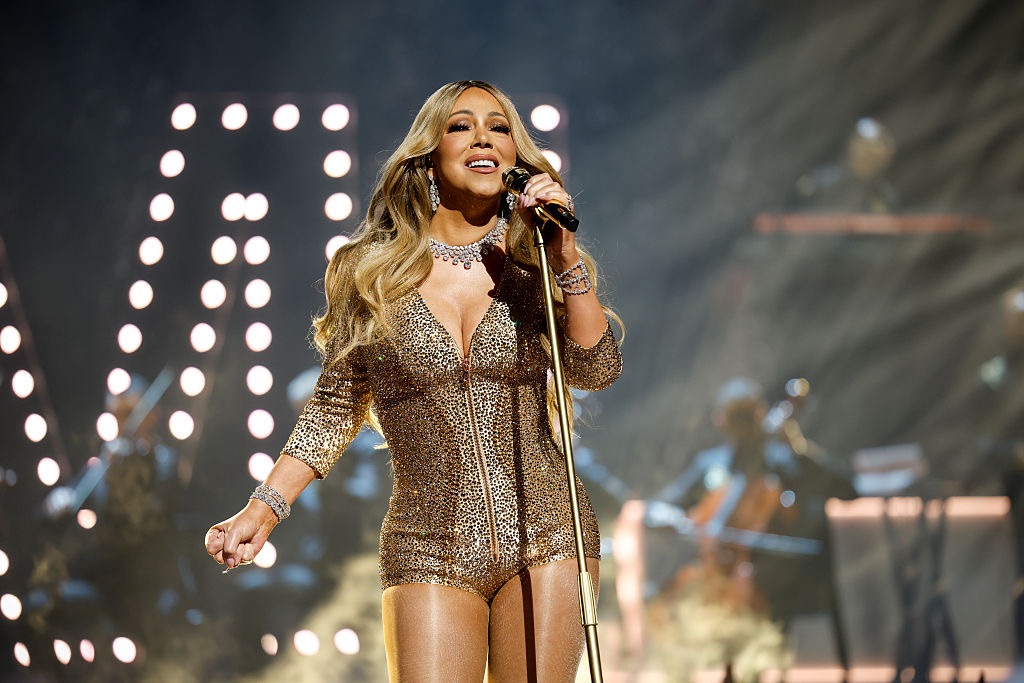
Mariah Carey is one of the bestselling artists of all time, with a staggering 19 Number One hits on the Billboard Hot 100, holding the record as the solo artist with the most chart-toppers in history. But the “Songbird Supreme” didn’t get here on luck or looks alone.
Carey has released 15 studio albums over the course of her career to date, with almost all of them certified platinum or multiplatinum for sales of more than 1 million units. Her 1993 Music Box album was certified diamond by the Recording Industry Association of America, for shipments of more than 10 million copies in the U.S. alone. And three of Carey’s releases were nominated for Album of the Year at the Grammys (she’s also received a nod for Producer of the Year).
From pop to hip-hop, gospel to R&B, Carey’s albums span genres and styles, with the singer’s multi-octave range as beautiful on tender ballads as it is powerful on kiss-off anthems. Paired with her inimitable lyrics, Carey’s albums have taken listeners on an autobiographical journey, detailing a painful childhood, a bitter divorce, and periods of self-doubt, followed by a self-proclaimed emancipation. Each album offers new sounds to go along with the new stories, giving rise to 15 distinctive pieces of work that cast Carey as the diva, the mother, and the superstar.
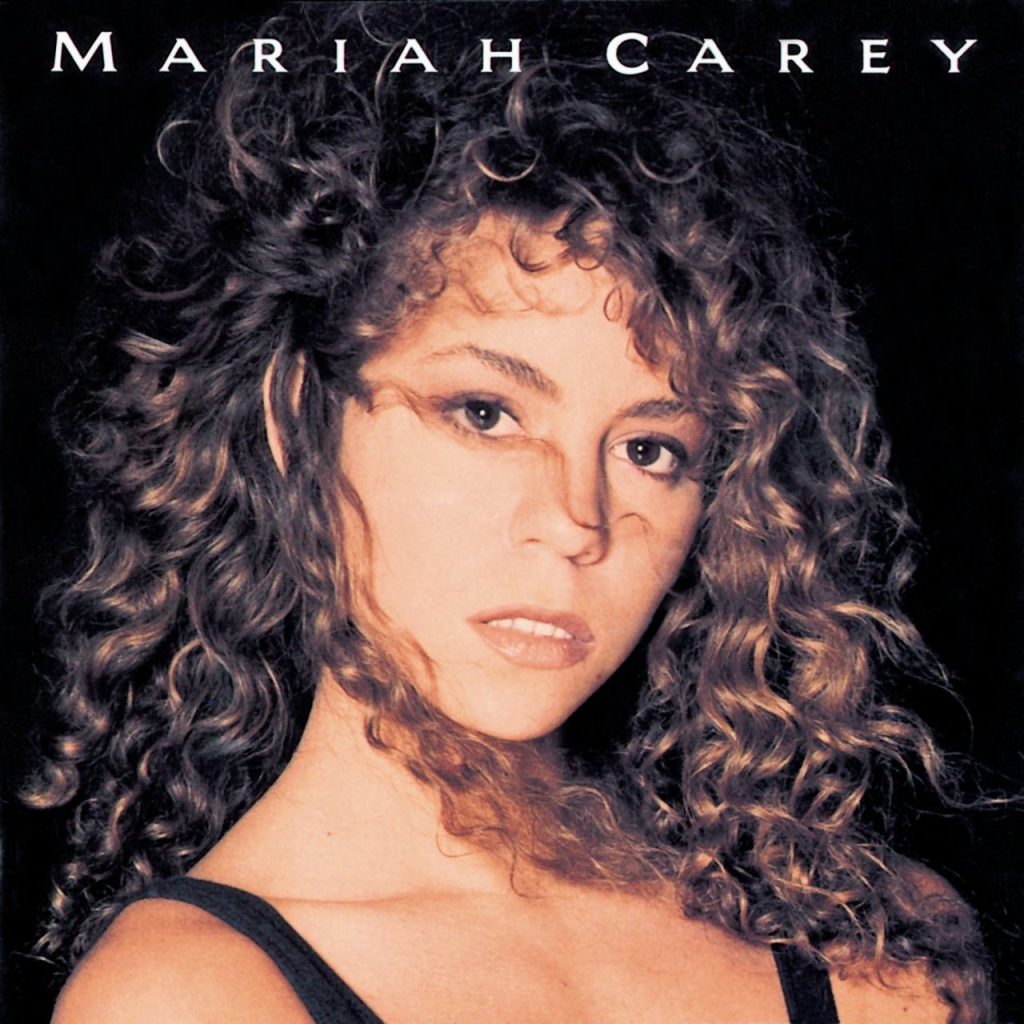
Ahead of the release of her highly-anticipated 16th studio album, Here for It All,Rolling Stone ranks all of Carey’s albums, from her breakthrough self-titled debut in 1990, to her last release, 2018’s Caution.
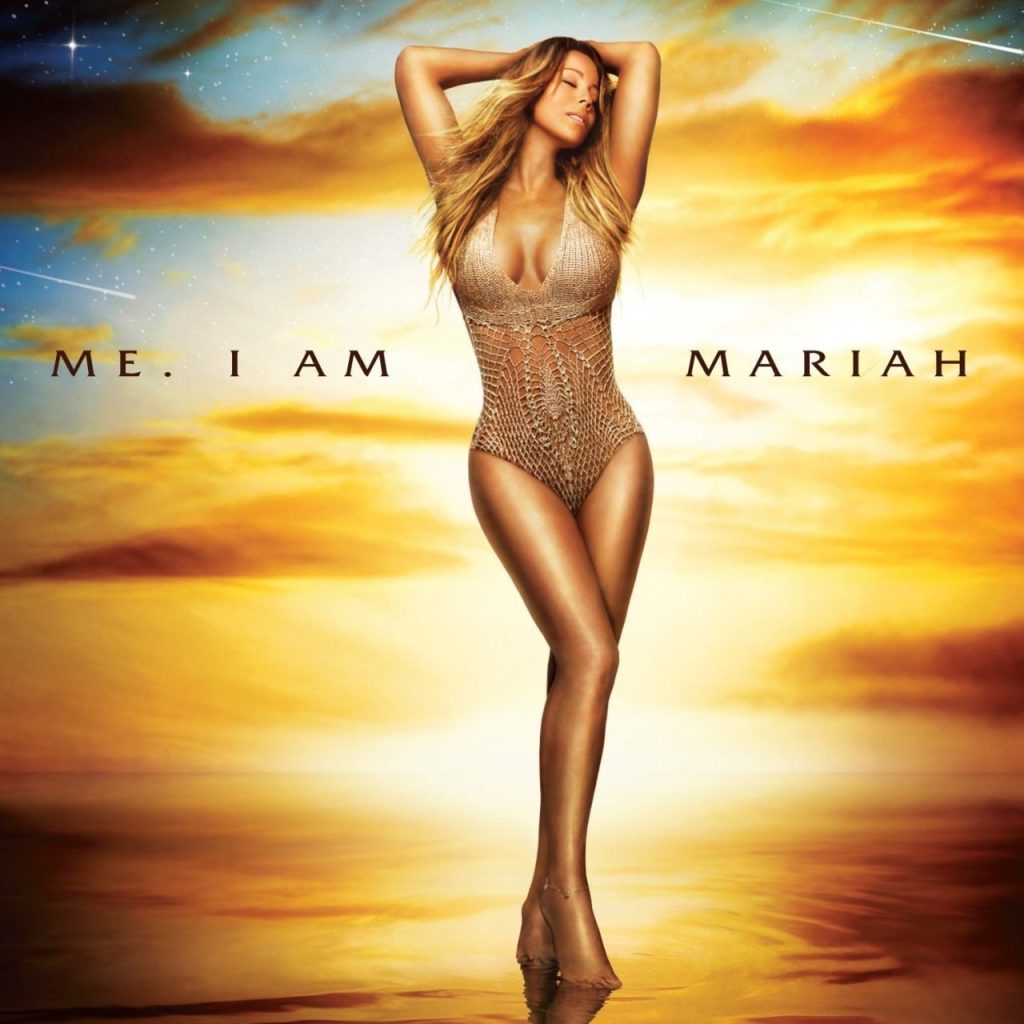
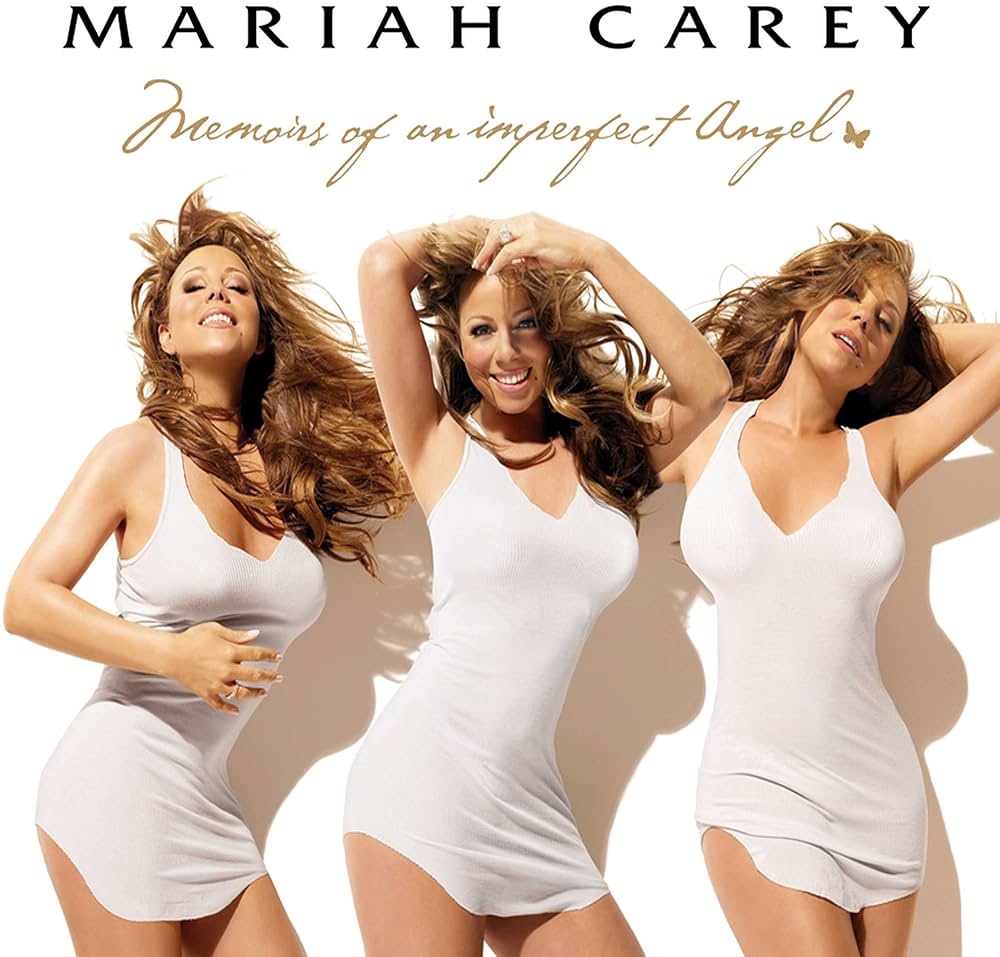
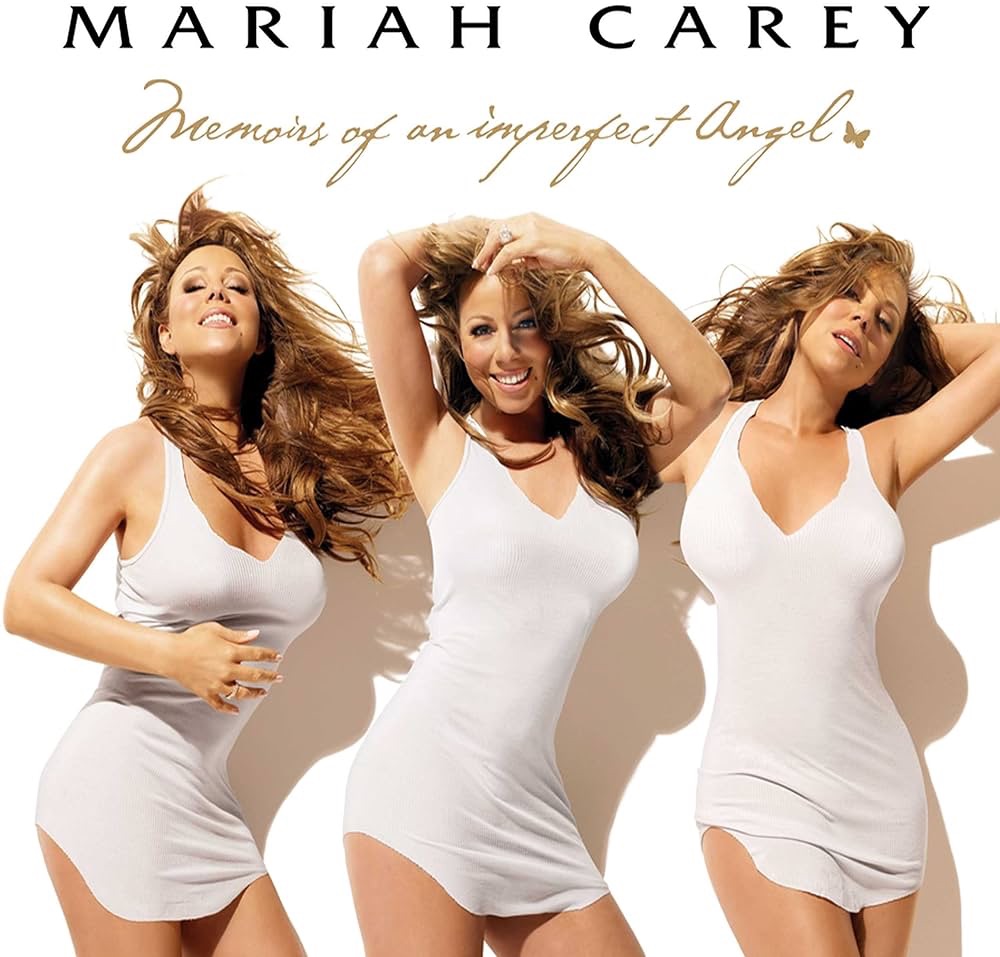
Carey went through a period of personal upheaval when she recorded the wordy, Me. I Am Mariah…The Elusive Chanteuse. She had just split from then-husband Nick Cannon and was going through a management change all while recovering from a shoulder injury suffered on the set of her remix video to lead track, “#Beautiful.”
Originally titled The Art of Letting Go, Carey’s 14th studio album was originally slated to drop in 2012 but was pushed back due to label issues and the underwhelming performance of previously planned singles. By the time MIAM was released, the buzz over “#Beautiful” had subsided and Carey was left with an album that lacked another true hit.
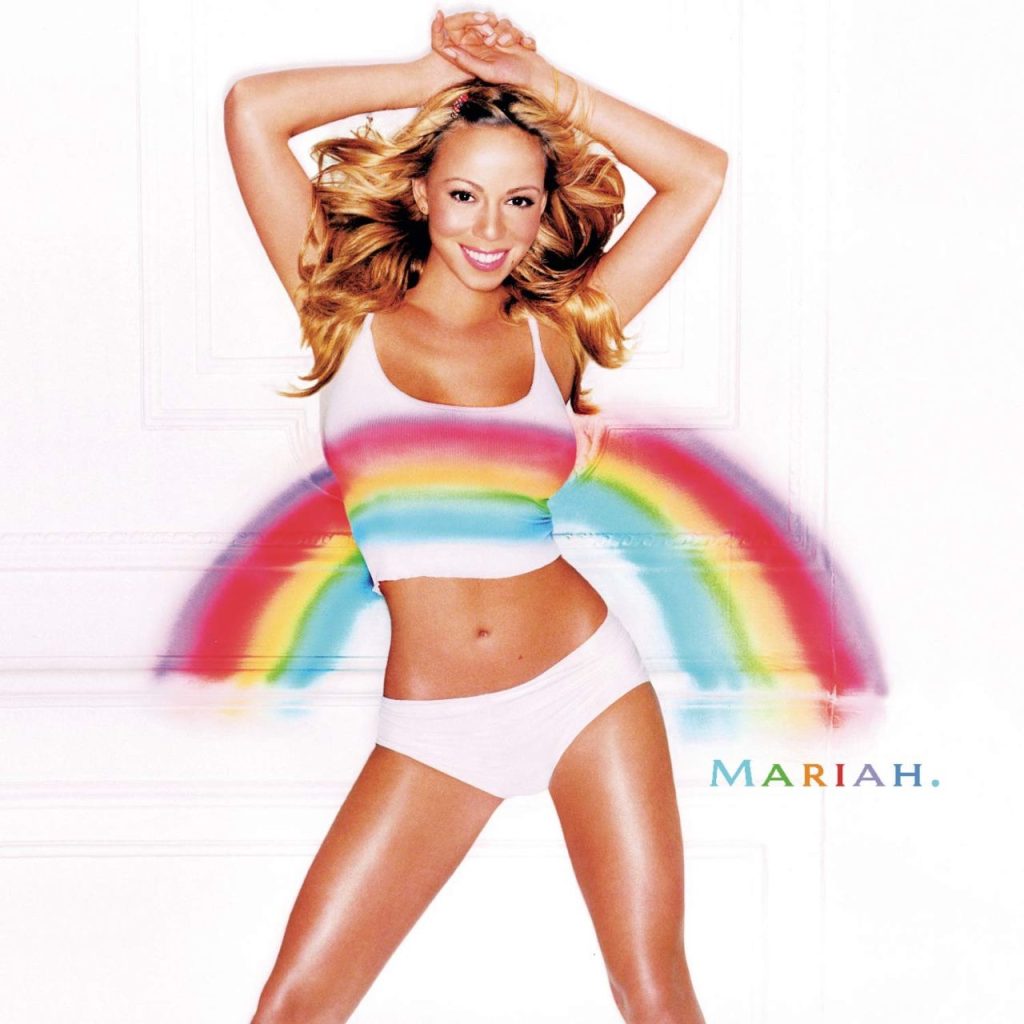
By the time Carey recorded Rainbow in 1999, she was at the end of her contract with ex-husband Tommy Mottola’s Sony label and itching to free herself from his constraints once and for all. Rainbowmarked the last studio album she owed Sony and the singer recorded the entire thing in less than three months. The end result is a mix of meddling R&B cuts and saccharine ballads that are ultimately passable but unmemorable. “Heartbreaker” (and the Missy Elliott remix) remains one of the singer’s most rousing hits, and “Can’t Take That Away (Mariah’s Theme)” is one of the best self-empowerment songs in her catalogue, but everything else on the album feels half-baked.