Rep. Debbie Wasserman Schultz says pressure to straighten her curly hair followed her throughout her career
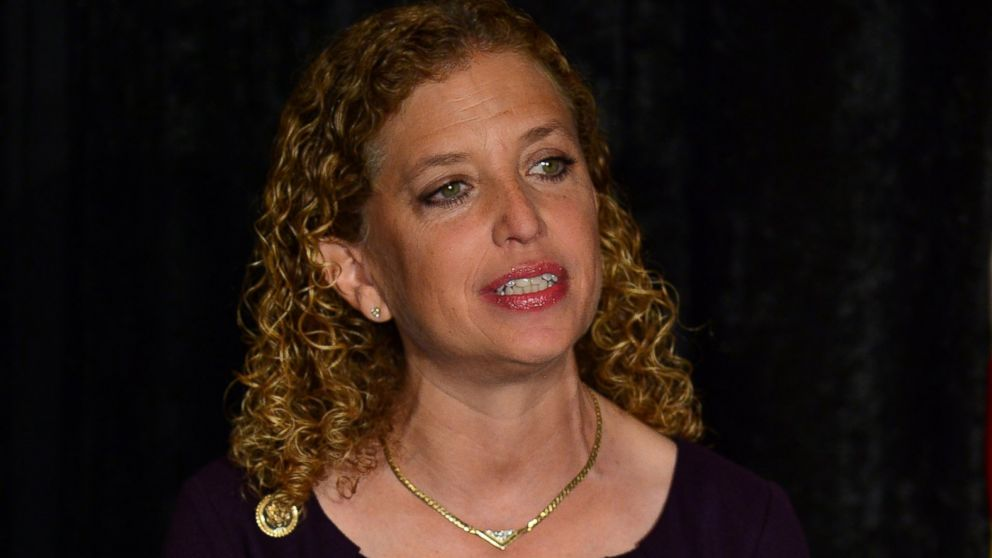
For decades, Rep. Debbie Wasserman Schultz has been known not just for her political leadership but for her signature curly hair — a feature that’s sparked both admiration and criticism.
When she was in her mid-20s and preparing her first run for the Florida State House, Wasserman Schultz said older women repeatedly urged her to “do something” about her curls.
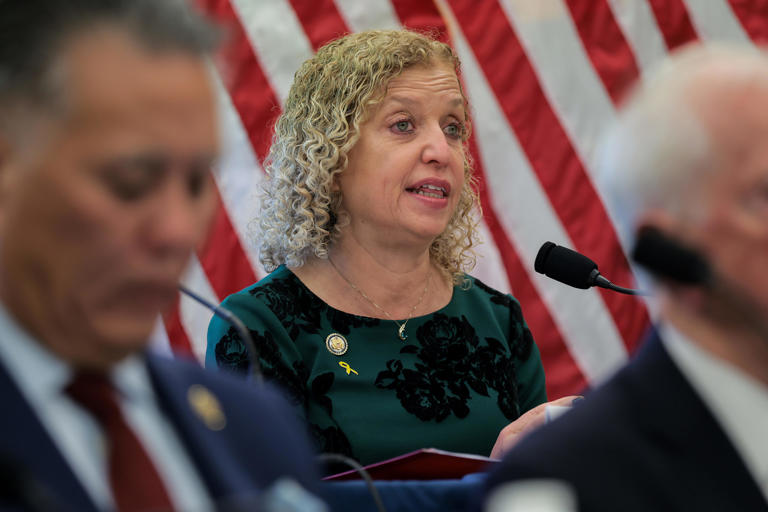
“They would say, ‘You need a more manageable, professional look,’” she recalled during an episode of We Are Spiraling, a new podcast about curly hair hosted by former journalist Priya Anand.
Despite the pressure, Wasserman Schultz, now 59, refused to straighten her hair. But that choice came with public ridicule. In 2012, a Fox News host mockingly called her “Frizzilla,” while Adweek compared her curls to “ramen noodles.”
The Broader Bias Against Curls
Her experience highlights a deeper societal bias. Studies show that women with curly hair are often seen as less professional than those with straight hair.
A 2023 study by Lindenwood University found straight-haired women were rated higher for job-related characteristics than curly-haired women. Similarly, a 2021 study from Duke University and Michigan State University found that Black women with natural hairstyles were viewed as less competent and less likely to be hired than those with straightened hair or white women with any texture.
Legislative Push and Cultural Shifts
In recent years, lawmakers have tried to combat this discrimination through initiatives like the CROWN Act (Create a Respectful and Open World for Natural Hair), first introduced in 2019, which bans race-based hair discrimination.
Yet, as podcast host Anand pointed out, stigma persists even beyond race. She noted that many professionals still feel pressured to hide their natural curls, referencing how Michelle Obama revealed she straightened her hair while in the White House so the country could “adjust to a Black family in power.”
“This idea comes up all the time,” Anand said. “That curly hair, for some reason, isn’t professional. But it’s just as natural and valid as any other texture.”
Wasserman Schultz’s decision to embrace her curls, despite criticism, serves as a reminder that authenticity can also be an act of quiet defiance.
“I’m proud of my curly locks,” she said — and for countless women watching, that pride means more than any polished appearance ever could.









Post Comment