Robert Redford, Pioneer of Independent Film, Dies at 89
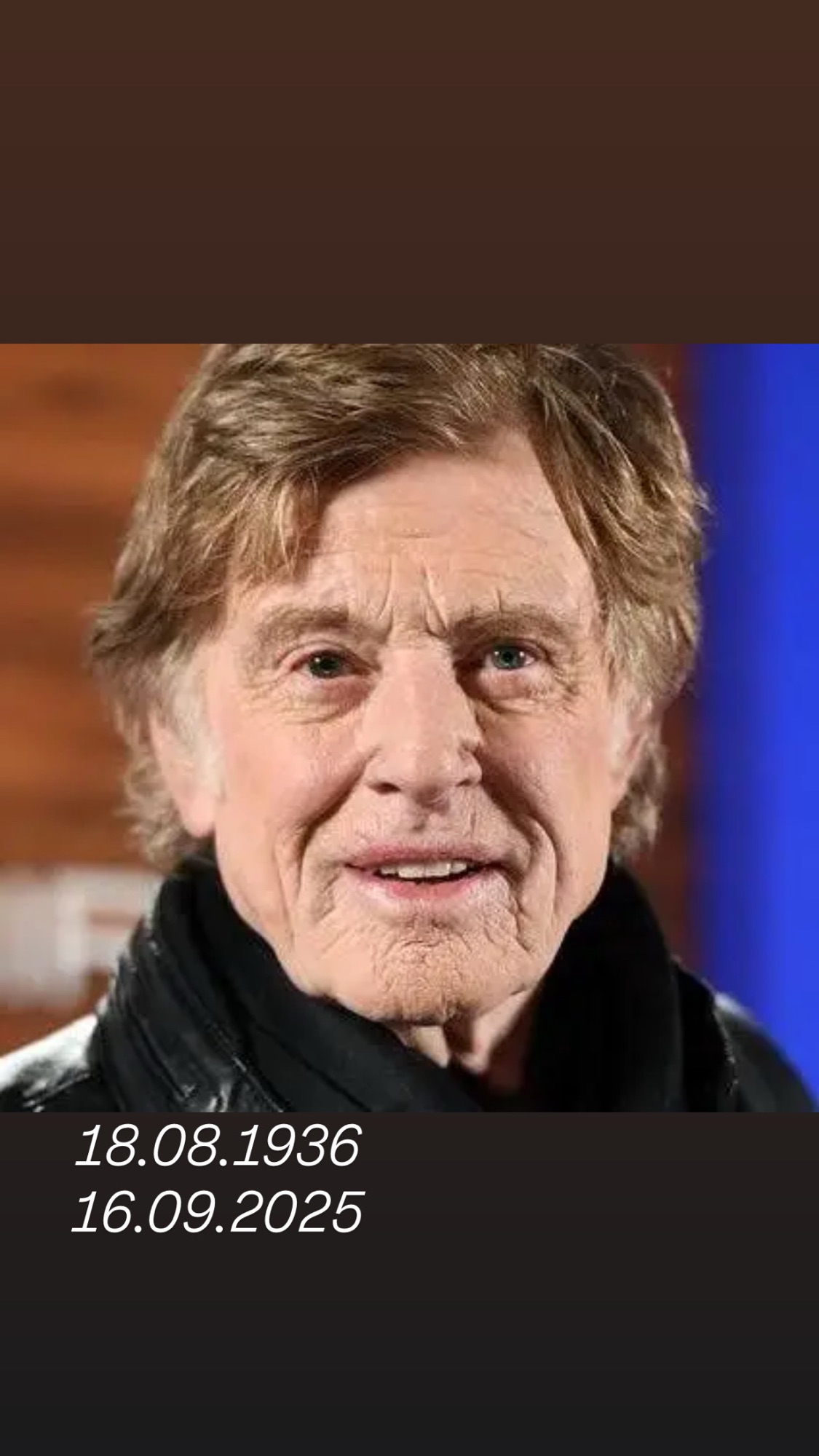
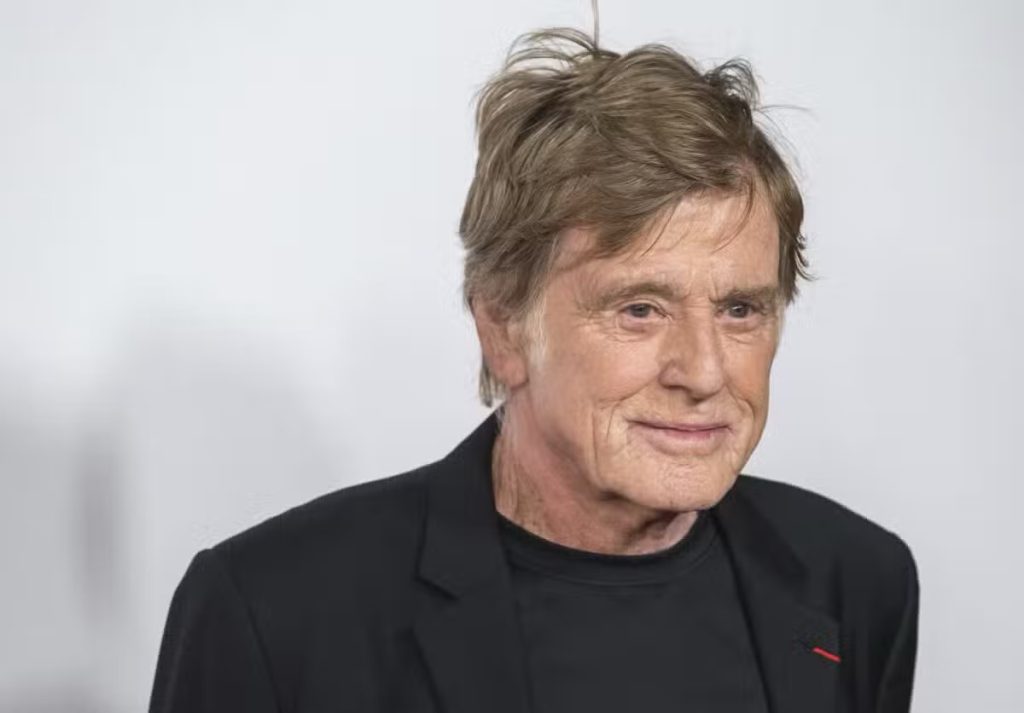
Robert Redford, Oscar-winning actor, director, activist and a defining figure of American cinema, dies at 89
Robert Redford, the Hollywood golden boy who grew into an Oscar-winning director, liberal activist, and godfather of independent film, has died at the age of 89.
Redford passed away peacefully “at his home at Sundance in the mountains of Utah — the place he loved, surrounded by those he loved,” his publicist Cindi Berger said in a statement. According to the New York Times, the veteran actor died in his sleep.
Rising to fame in the 1960s, Redford became one of the most bankable stars of the 1970s, with memorable performances in The Candidate, All the President’s Men and The Way We Were. He capped the decade with an Academy Award for Best Director for 1980’s Ordinary People, which also won Best Picture.
With his wavy blond hair and charismatic presence, Redford was once considered the quintessential leading man, yet he consistently sought to break beyond his looks. Through his choice of unglamorous roles, his outspoken political stances, and his unwavering support for young filmmakers, he carved out a career that was both commercially successful and artistically influential.
His on-screen roles were as varied as they were iconic — from Washington Post journalist Bob Woodward in All the President’s Men, to a rugged trapper in Jeremiah Johnson, to a scheming con artist in The Sting, and even a Marvel double agent in Captain America: The Winter Soldier. His most beloved partnership, however, was with Paul Newman, his close friend and co-star in Butch Cassidy and the Sundance Kid (1969) and The Sting (1973). Their chemistry on-screen mirrored their playful friendship off-screen and left an indelible mark on popular culture.
In later years, Redford shifted focus to directing and producing, as well as founding the Sundance Institute and Sundance Film Festival, which became the heartbeat of independent cinema. Even as his acting appearances grew less frequent, he continued to deliver powerful performances — notably in Out of Africa (1985), All is Lost (2013), and what he called his farewell role, The Old Man and the Gun (2018).
Reflecting on his career, Redford told the Associated Press: “I’ve had a long career that I’m very pleased with. Ever since I was 21, this has been my life. But as I enter my 80s, I feel it’s time to step back, retire, and spend more time with my wife and family.”
With his passing, cinema has lost not only a legend of the silver screen but also a pioneer who reshaped Hollywood’s relationship with independent filmmaking. His legacy — as an actor, director, activist, and mentor — will endure for generations to come.
Sundance is born
Redford had watched Hollywood grow more cautious and controlling during the 1970s and wanted to recapture the creative spirit of the early part of the decade.
Sundance was created to nurture new talent away from the pressures of Hollywood, the institute providing a training ground and the festival, based in Park City, Utah, where Redford had purchased land with the initial hope of opening a ski resort. Instead, Park City became a place of discovery for such previously unknown filmmakers as Quentin Tarantino, Steven Soderbergh, Paul Thomas Anderson and Darren Aronofsky.
For me, the word to be underscored is ‘independence,’” Redford told the AP in 2018. “I’ve always believed in that word. That’s what led to me eventually wanting to create a category that supported independent artists who weren’t given a chance to be heard.
“The industry was pretty well controlled by the mainstream, which I was a part of. But I saw other stories out there that weren’t having a chance to be told and I thought, ‘Well, maybe I can commit my energies to giving those people a chance.’ As I look back on it, I feel very good about that.”
For me, the word to be underscored is ‘independence,’” Redford told the AP in 2018. “I’ve always believed in that word. That’s what led to me eventually wanting to create a category that supported independent artists who weren’t given a chance to be heard.
“The industry was pretty well controlled by the mainstream, which I was a part of. But I saw other stories out there that weren’t having a chance to be told and I thought, ‘Well, maybe I can commit my energies to giving those people a chance.’ As I look back on it, I feel very good about that.”