Scientists Reveal the Real Reason Why Your Fingers Wrinkle in the Bath
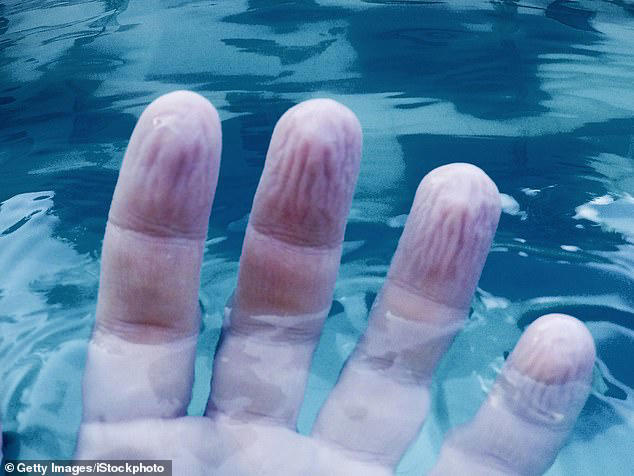
It’s a familiar scene: you settle in for a long, relaxing bath, or spend time swimming, and before long your fingers and toes start to look like prunes. For decades, many assumed this was simply because our skin absorbed water and swelled up. But new research shows there’s much more going on beneath the surface.
The Myth of Water Absorption
Most of us grew up believing that wrinkled fingers were caused by the skin soaking up water and expanding. But according to Dr. Guy German, Associate Professor of Biomedical Engineering at Binghamton University in New York, that’s not the case at all.
“People often assume that these wrinkles form because the skin absorbs water, which makes it swell up and buckle,” he explained. “To be honest, I did too for a long time.”
The Real Cause: Your Nervous System
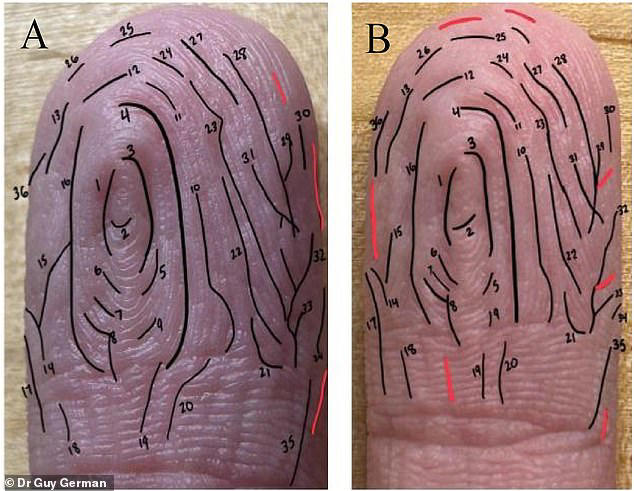
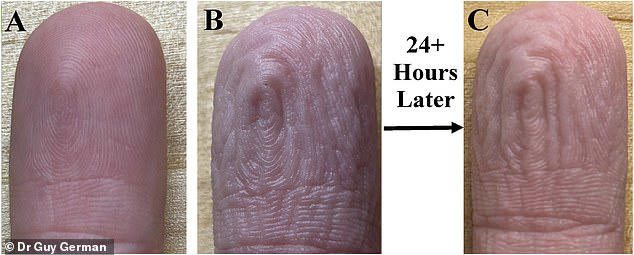
Dr. German’s team asked three volunteers to soak their fingers for 30 minutes and then studied the patterns of wrinkles that appeared. Interestingly, when the same people repeated the process 24 hours later, the wrinkles formed in almost identical patterns.
That discovery led scientists to conclude that the cause wasn’t just physical swelling — it was neurological.
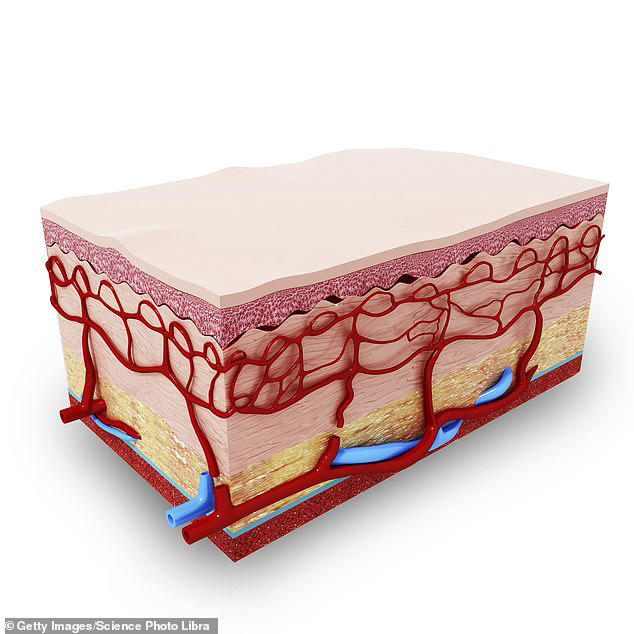
The wrinkling effect is triggered by the autonomic nervous system, which controls involuntary bodily functions like heart rate, breathing, and even how blood vessels contract or relax.
When fingers or toes are submerged in water for several minutes, sweat ducts open, allowing water to move into the skin tissue. This slightly dilutes the salt concentration within the skin, prompting nerves to signal the brain. The brain then tells blood vessels to constrict, reducing the skin’s volume and causing it to pucker into wrinkles.
“It’s like how a grape becomes a raisin,” said Dr. German. “It’s lost more volume than surface area.”
Why the Same Pattern Every Time?
Because blood vessels don’t shift position much under the skin, the wrinkles form in nearly identical ways each time your fingers get wet — almost like a fingerprint of your nervous system’s activity.
When Wrinkles Don’t Form
The study, published in the Journal of the Mechanical Behavior of Biomedical Materials, also confirmed that people with nerve damage in their fingers don’t develop these wrinkles, further proving that the reaction depends on a functioning nervous system.
An Evolutionary Advantage
And there’s an interesting bonus: wrinkled skin seems to improve grip in wet conditions. Research suggests that the ridges and valleys help your fingers hold onto slippery objects or maintain traction on wet surfaces.
So, next time your fingers prune up in the bath, remember — it’s not just your skin reacting to water. It’s your body’s clever way of adapting to the environment, improving your grip when you need it most.












Post Comment