South Carolina man set to become the first executed by firing squad in 15 Years
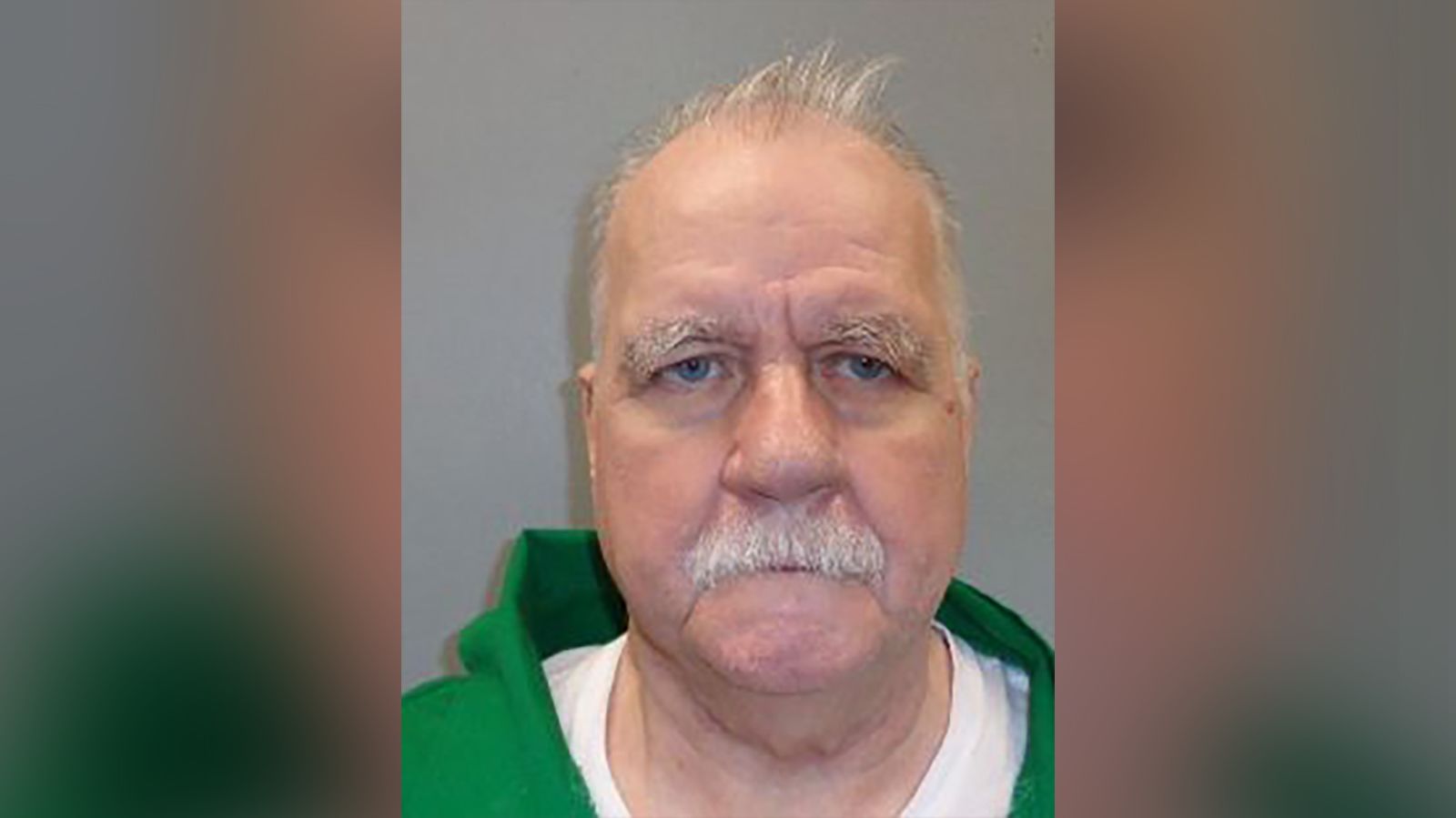
Brad Sigmon, a 67-year-old convicted murderer, is set to be executed by firing squad, marking the first time this method has been used in the U.S. in nearly 15 years. Unless he receives a last-minute reprieve from the governor or the U.S. Supreme Court, Sigmon will be the fourth person executed by firing squad since the death penalty was reinstated in the U.S. 49 years ago.
South Carolina Executes Inmate by Firing Squad for the First Time in 15 Years
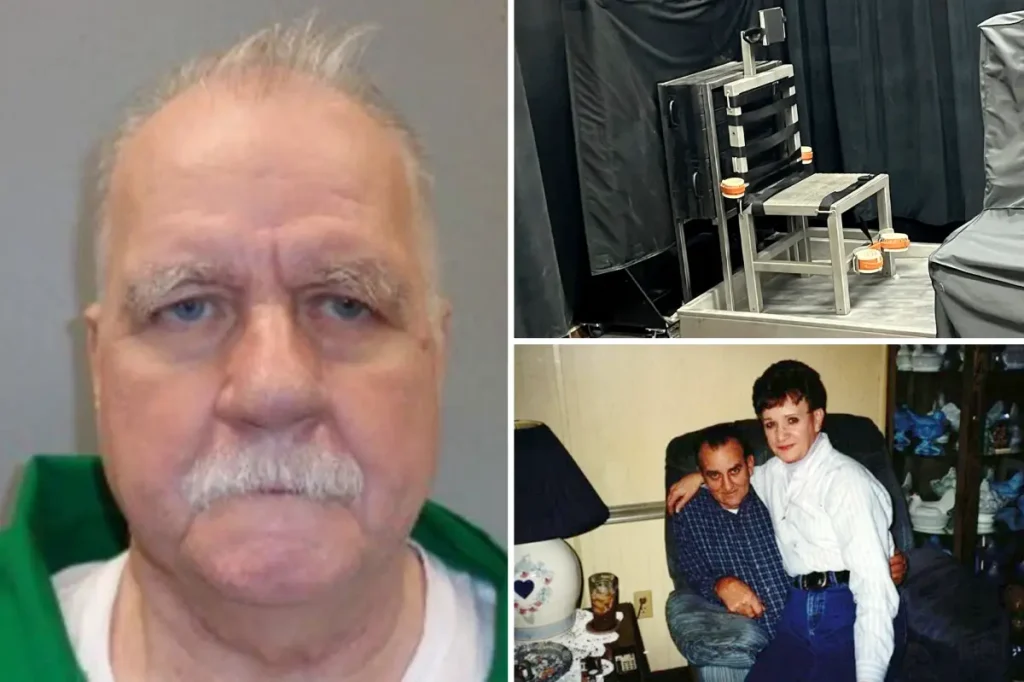
COLUMBIA, South Carolina — In a historic and controversial move, South Carolina carried out its first execution by firing squad in 15 years. Brad Sigmon, a 67-year-old convicted murderer, was executed on Friday at 6:08 p.m. after being shot by three volunteer prison employees using rifles loaded with live ammunition.
A Brutal Crime and Its Consequences
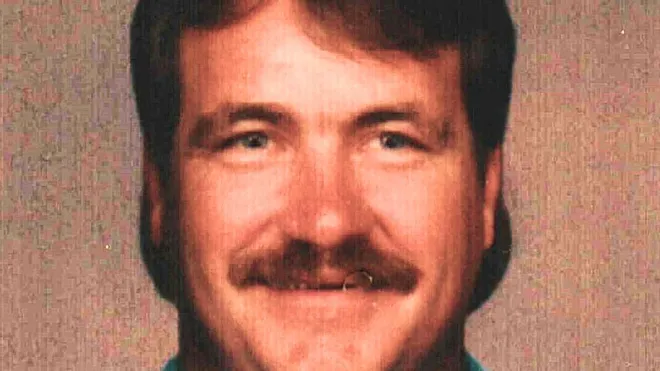
Sigmon was sentenced to death for the 2001 murders of his ex-girlfriend’s parents in Greenville County. He brutally killed them with a baseball bat in a failed attempt to kidnap their daughter. His plan, according to police reports, was to take her on a romantic getaway before killing both her and himself.
Choice of Execution Method
Sigmon’s attorneys stated that he opted for the firing squad over the electric chair, fearing it would “cook him alive.” He also opposed lethal injection, arguing that the secretive process in South Carolina could cause extreme suffering, potentially drowning him as pentobarbital rushed into his lungs.
His final appeal to the state Supreme Court to halt the execution was denied on Thursday, leaving him no further legal recourse.
The Execution Process
Dressed in a black jumpsuit, Sigmon was hooded and had a white target with a red bullseye placed over his chest. The execution took place in the state’s death chamber, where he was seated 15 feet away from the riflemen—equivalent to the free-throw distance on a basketball court. The state’s unused electric chair remained visible in the room, and the gurney used for lethal injections had been removed.
Three volunteer executioners fired simultaneously through designated openings in a wall, hidden from the view of about a dozen witnesses separated by bullet-resistant glass. Sigmon made heavy breaths in the moments before the shots were fired. Upon impact, his arms tensed, the target was blasted off his chest, and visible wounds began to form. Within minutes, a doctor entered the chamber, examined him for 90 seconds, and pronounced him dead.
Firing Squad: A Controversial Execution Method
The firing squad has a long and grim history, both in the U.S. and globally. It has been used for military discipline, frontier justice, and political repression in regimes such as the former Soviet Union and Nazi Germany. Since 1977, only three other prisoners in the U.S. have been executed by this method, all in Utah, the most recent being Ronnie Lee Gardner in 2010.
Ralph Menzies, another Utah inmate, could be the next to face a firing squad, pending a court ruling on whether his dementia makes him unfit for execution.
Public Reaction and Legal Challenges
Before the execution, protesters gathered outside the prison holding signs with messages like “All life is precious” and “Execute justice, not people.” Sigmon’s legal team and supporters had pleaded with Governor Henry McMaster to commute his sentence to life in prison, citing his model behavior behind bars and severe mental illness at the time of the crime. However, McMaster refused, continuing South Carolina’s long-standing tradition of never granting clemency in death penalty cases.
Since 1976, South Carolina has executed 46 inmates—seven by electrocution and 39 by lethal injection. The state was once among the most active in carrying out death sentences, averaging three executions per year in the early 2000s. However, executions were paused for 13 years due to difficulties obtaining lethal injection drugs.
The Future of the Death Penalty in South Carolina
The state Supreme Court recently authorized the resumption of executions, scheduling one every five weeks moving forward. Three inmates—Freddie Owens, Richard Moore, and Marion Bowman Jr.—have already been executed since the resumption, with more awaiting their fate.
Currently, South Carolina has 28 inmates on death row, with two having exhausted their appeals and likely to be executed in the coming months. Over the past decade, the number of death row inmates has declined significantly, with many having their sentences reduced to life or dying in prison.
As the debate over capital punishment continues, the case of Brad Sigmon marks a pivotal moment in the history of the U.S. justice system, reigniting discussions on the ethics and effectiveness of the death penalty.











Post Comment