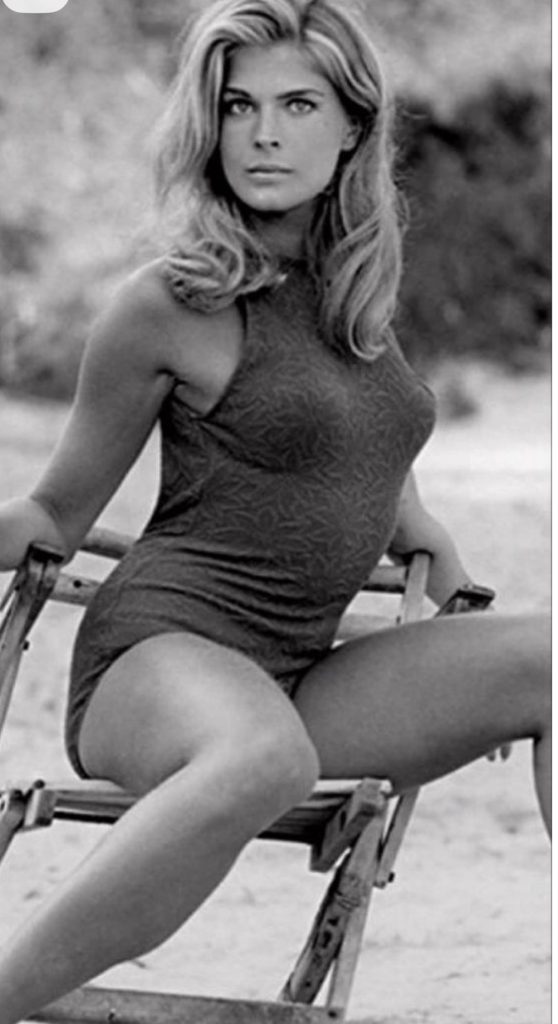
Still Candice: Bergen’s Comebacks and Cultural Clout
In an industry that often seeks to define women by their looks, Candice Bergen rewrote the script. Born into Hollywood royalty and burdened by expectations from day one, she turned potential typecasting into a diverse, groundbreaking career that challenged gender norms and earned her the respect of critics, fans, and feminists alike.
Candice Patricia Bergen was born on May 9, 1946, in Beverly Hills, California, the daughter of famed ventriloquist Edgar Bergen and former model Frances Westerman. With Charlie McCarthy—her father’s dummy—drawing more attention than most celebrities, Candice’s childhood was both charmed and peculiar. “I grew up competing with a wooden puppet,” she once joked. That sense of irony would later become her trademark.
Despite the glitz of her upbringing, Candice didn’t immediately chase fame. She briefly attended the University of Pennsylvania, where she studied art and creative writing. Though she was voted homecoming queen and Miss University, Bergen struggled academically and was eventually asked to leave. But that detour became a pivot point.

With her stunning Nordic looks and natural poise, Bergen was soon working as a fashion model, gracing the covers of Vogue and other major magazines in the 1960s. But she wasn’t content with being just another pretty face. Acting soon followed, and she made her film debut in Sidney Lumet’s The Group (1966), playing a lesbian character in a time when such roles were considered daring, if not scandalous
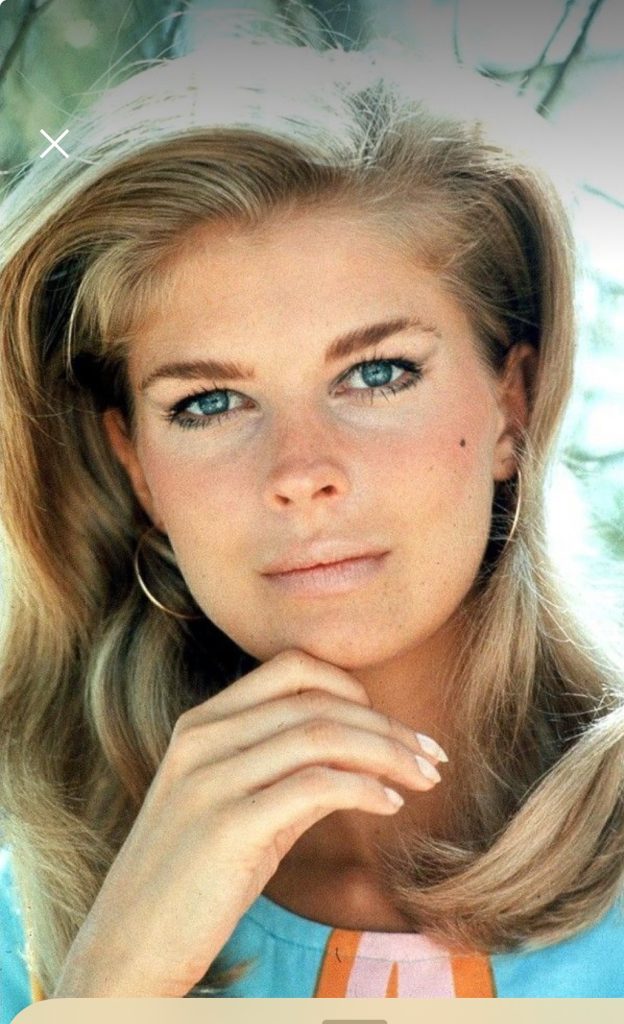
Hollywood didn’t quite know what to do with Bergen at first. Too beautiful to be taken seriously in dramatic roles, she was often cast as the elegant, aloof woman. Yet she steadily carved out a niche, balancing drama and comedy in films like Carnal Knowledge (1971) opposite Jack Nicholson and Starting Over (1979), which earned her an Academy Award nomination for Best Supporting Actress.
Bergen’s true transformation came in 1988, when she accepted the role of Murphy Brown, a sharp-tongued, career-driven journalist and single mother, in the groundbreaking CBS sitcom of the same name. It was a revelation. At a time when women on television were still often relegated to sidekick or love interest roles, Murphy Brown was unapologetically opinionated, deeply flawed, and fiercely independent.
The show became a cultural phenomenon. Bergen’s portrayal won her five Emmy Awards and two Golden Globes. In 1992, the character even sparked a national political debate when then-Vice President Dan Quayle criticized Murphy for choosing to raise a child alone. Bergen responded with grace—and a sharper comedic bite in subsequent episodes. It was one of the few times a fictional character made real-world headlines.
Discover related topics
Candice Bergen Jewelry on Boston Legal
Candice Bergen Grandchildren