Women who made the Rock and Roll Hall of Fame
Women Who Made the Rock and Roll Hall of Fame
Since its founding in 1983, the Rock and Roll Hall of Fame in Cleveland, Ohio, has honored the legends who shaped modern music. It celebrates the innovators — the voices, writers, and performers — whose work changed how the world listens. But for decades, one glaring issue stood out: the underrepresentation of women.
Though women helped define every era of popular music — from early blues to the birth of rock, punk, pop, and soul — only a small fraction have been inducted compared to their male counterparts. Yet the women who have broken through have left legacies too powerful to ignore.
Breaking Barriers in a Man’s World
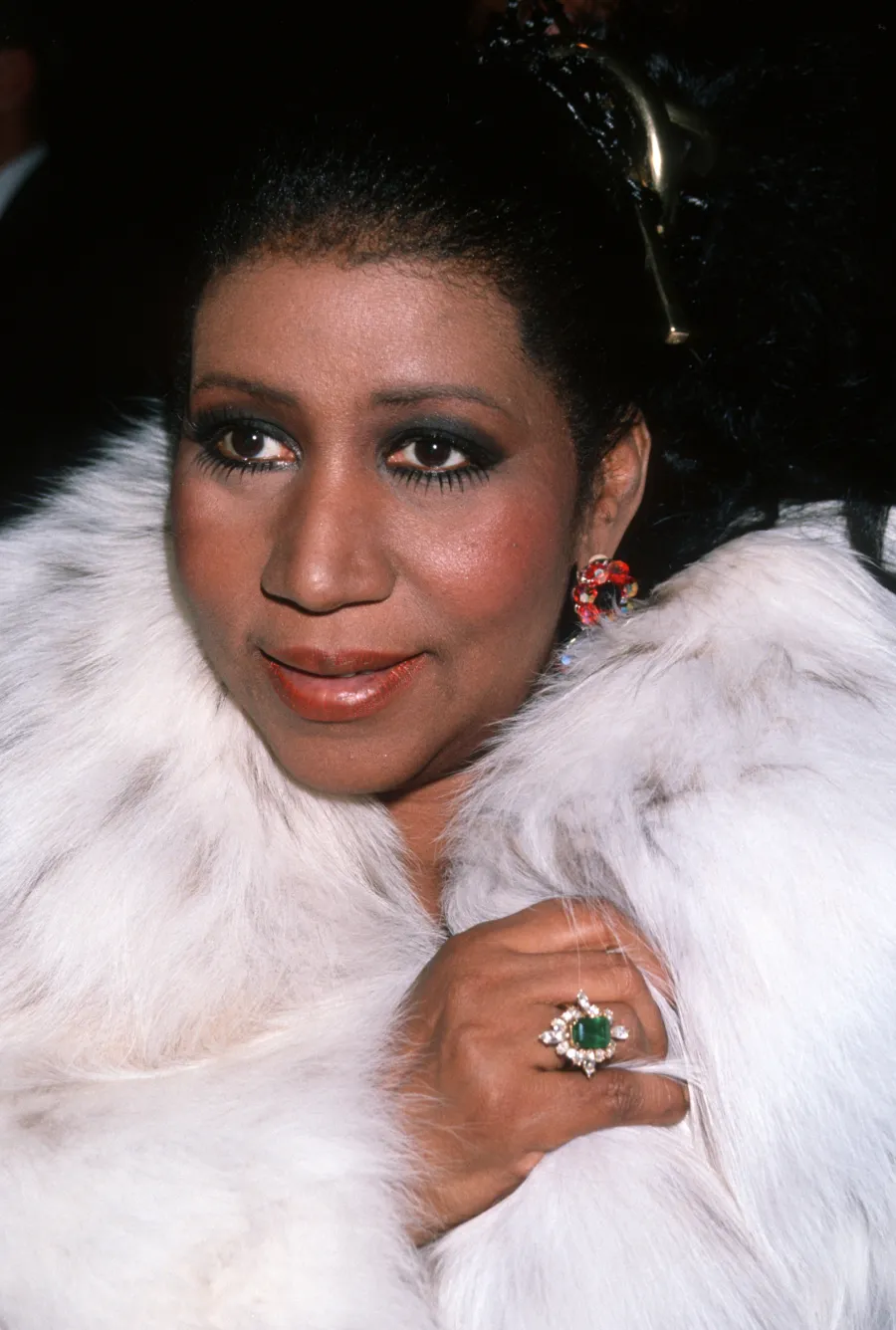
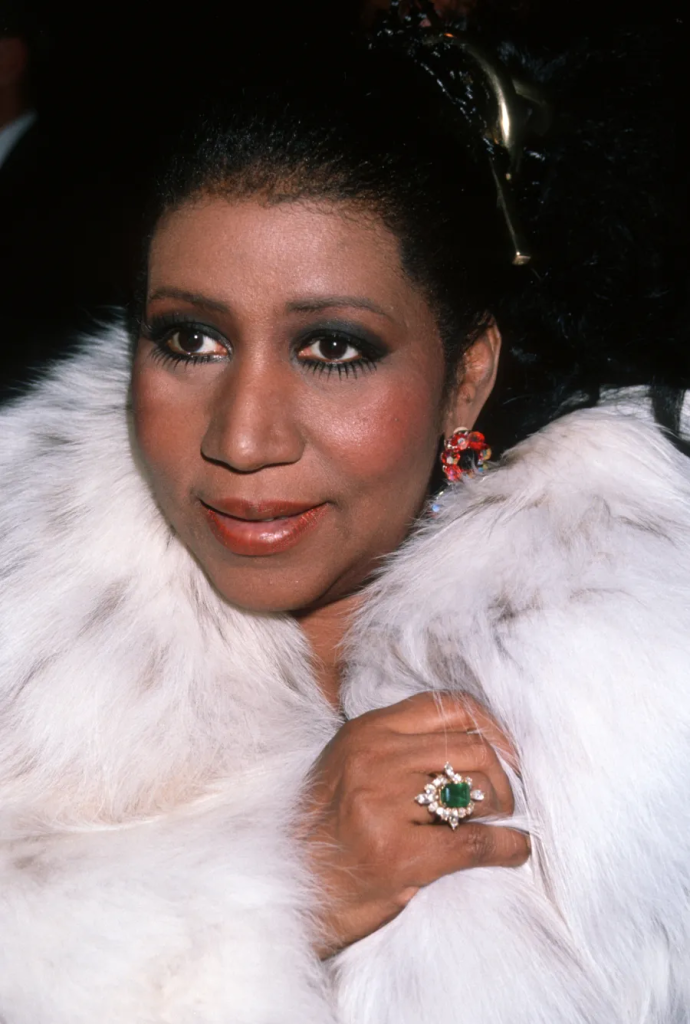
The first woman ever inducted was Aretha Franklin, in 1987 — a fitting choice, given that she’s long been called The Queen of Soul. Franklin’s induction paved the way for generations of female artists to follow, though it would take years for the Hall of Fame to balance the scales.
Throughout the late 1980s and 1990s, icons like Diana Ross, Mary Wilson, and Florence Ballard of The Supremes (1988) brought Motown’s timeless sound into the Hall. Tina Turner was first honored in 1991 as part of Ike & Tina Turner and later, in 2021, as a solo artist — a rare double induction that recognized her fierce independence and enduring impact.
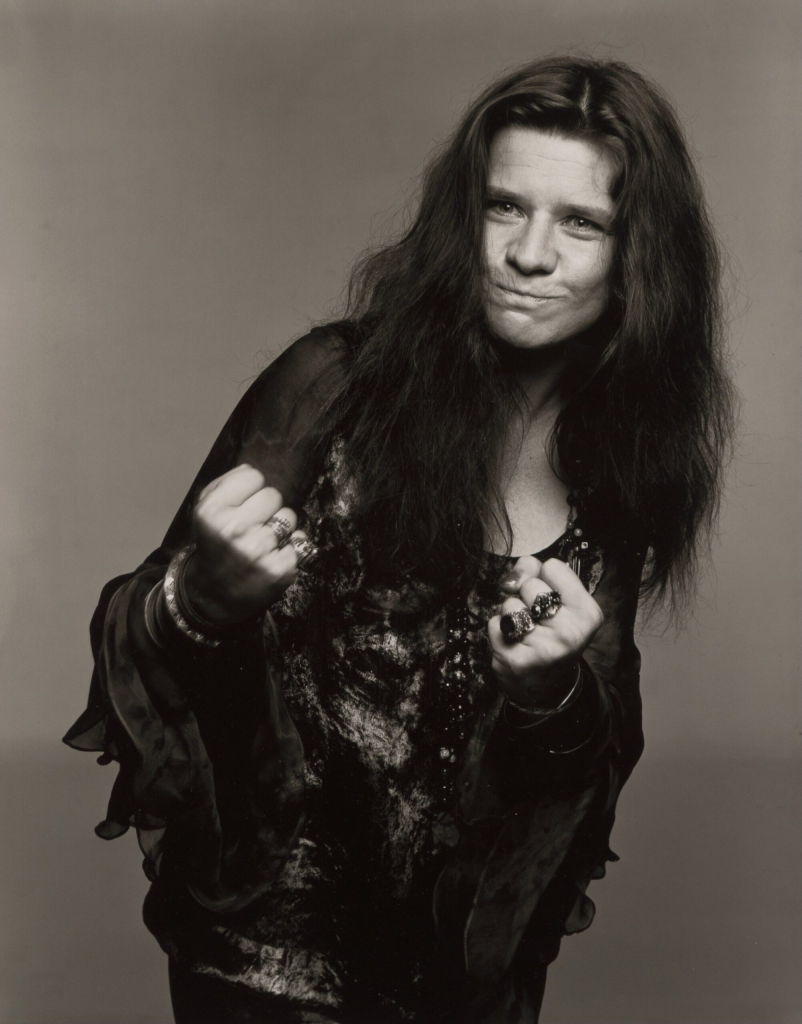
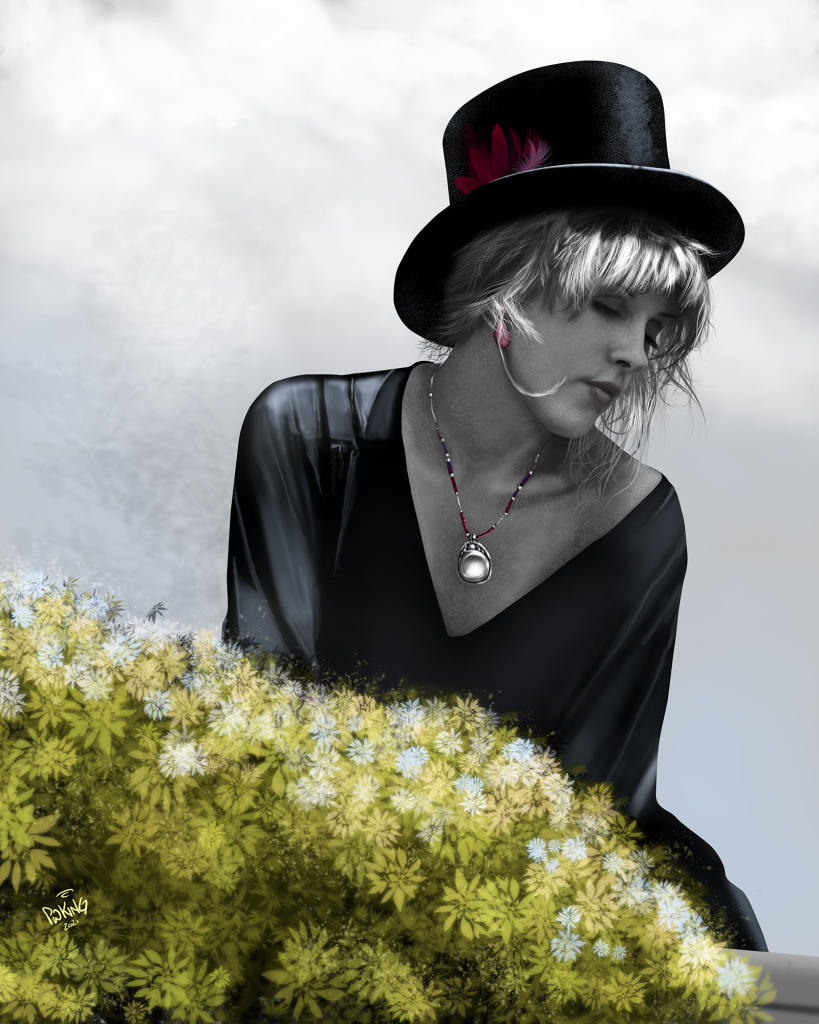
Janis Joplin joined in 1995, celebrated for her soulful voice and fearless spirit that embodied 1960s rebellion. Fleetwood Mac’s Stevie Nicks became the first woman to be inducted twice — once with her band in 1998 and again as a solo artist in 2019.
The Icons Who Redefined Music
Over the years, the Hall of Fame began opening its doors to a more diverse group of women who shaped rock, soul, and pop in their own right.
Among them are:
- Patti Smith (2007), whose poetic punk energy gave voice to a generation.
- Madonna (2008), who turned pop into performance art and cultural revolution.
- Joan Jett (2015), whose no-apologies attitude made her the “Queen of Rock.”
- Debbie Harry (Blondie, 2006), who blended new wave, punk, and glamour.
- Whitney Houston (2020), whose voice remains one of the greatest ever recorded.
- Carole King (1990 as a songwriter, 2021 as a performer), a symbol of timeless storytelling through music.
- Linda Ronstadt (2014), a vocal powerhouse who mastered everything from rock to mariachi.
- Dolly Parton (2022), whose influence crossed genres and generations.
- Annie Lennox (Eurythmics, 2022), blending artistry, activism, and powerful pop vocals.
- Pat Benatar (2022), one of rock’s fiercest frontwomen.
- Cyndi Lauper (2023), who brought color, individuality, and heart to 1980s pop.
- Sheryl Crow (2023), representing the strength and spirit of the 1990s singer-songwriter era.

These women — and many others, including the Go-Go’s, the Pretenders’ Chrissie Hynde, and Carly Simon — all represent different corners of rock and roll history, yet share one thing in common: a refusal to be defined by limits.
Still Climbing the Charts of Recognition
Despite the progress, women still make up a small percentage of all Rock and Roll Hall of Fame inductees. For years, female artists had to wait much longer than their male counterparts to receive recognition, even when their influence was undeniable.
But things are changing. The Hall’s recent inductee classes have shown a greater appreciation for the depth of women’s contributions to music — expanding the definition of “rock” to include pop, R&B, country, and alternative voices that have shaped global culture.
The Legacy Lives On
The women in the Rock and Roll Hall of Fame are more than performers; they are trailblazers, storytellers, and rebels who redefined what it means to be an artist. Their songs became soundtracks to social change, personal empowerment, and pure emotion.
Each note they sang and every lyric they wrote helped carve a path for those who followed — reminding the world that rock and roll has never belonged to just one voice or gender.
Because at its heart, rock and roll was never about following the rules —
it was about breaking them.












Post Comment