Target, Walmart CEOs give Trump blunt warning about rising prices, empty shelves
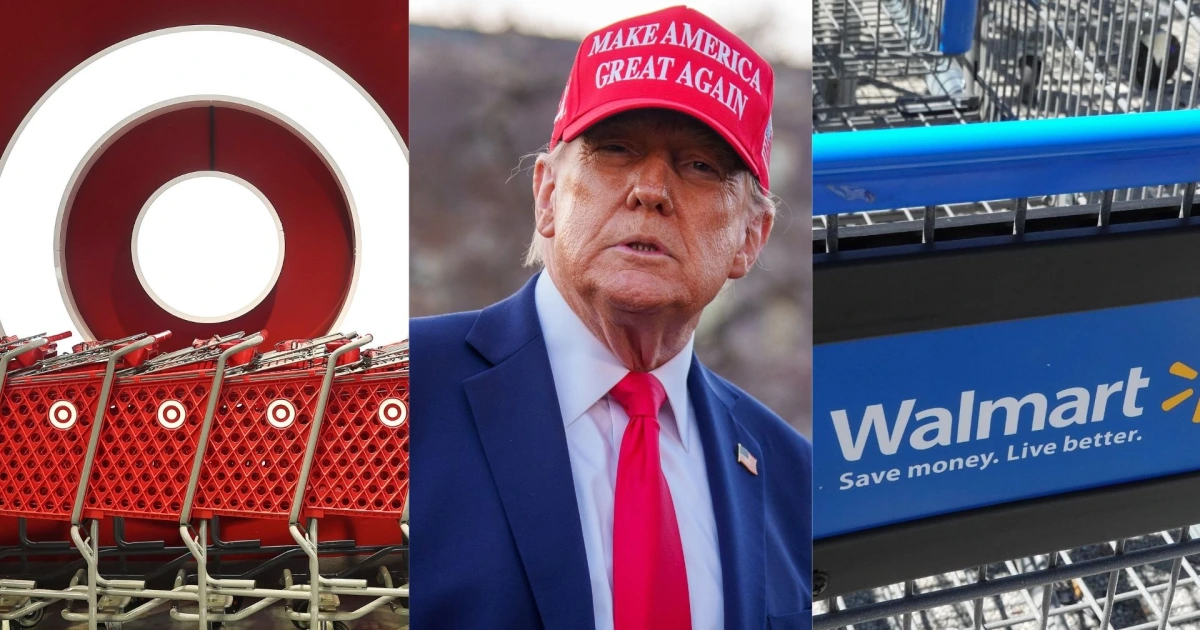
In a recent meeting at the White House, top executives from major U.S. retailers, including Walmart, Target, and Home Depot, issued a stark warning to President Donald Trump regarding the potential consequences of his proposed tariff policies. They cautioned that these tariffs could disrupt supply chains, lead to empty store shelves, and result in higher prices for consumers.Axios
The CEOs emphasized that while prices have remained stable thus far, the implementation of new tariffs could cause significant disruptions within weeks. This direct feedback appeared to influence the administration’s stance, with President Trump subsequently expressing a willingness to negotiate on trade matters and affirming his support for Federal Reserve Chair Jerome Powell. These developments contributed to a positive response in financial markets, which had previously been unsettled by concerns over potential economic instability.
The broader business community has echoed these concerns. Companies such as Shein, Ford, and Columbia Sportswear have indicated that the tariffs would likely compel them to raise prices, impacting a wide range of products from clothing to automobiles. The National Retail Federation has also highlighted the risk of increased costs for essential goods, including clothing, toys, and electronics, due to the proposed tariffs.Business InsiderReuters
As the administration considers adjustments to its trade policies, the input from these industry leaders underscores the potential economic ramifications of the proposed tariffs and the importance of balancing trade objectives with consumer impact.
Retail Giants Warn Trump of Tariff Consequences
Retail Giants Warn Trump of Tariff Consequences
Executives from Walmart, Target, and others urge the administration to reconsider policy moves that could hike prices and disrupt supply chains.
In a high-stakes meeting at the White House, top executives from some of America’s biggest retailers—Walmart, Target, and Home Depot among them—delivered a sobering message to President Donald Trump. They warned that his proposed tariff hikes could result in dire consequences for the U.S. economy, particularly for average American consumers.
The CEOs cautioned that while prices on many goods have remained stable for now, the implementation of new tariffs—especially those aimed at Chinese imports—could send shockwaves through supply chains. Within just a few weeks, they warned, shelves might begin to empty and prices could soar, placing financial strain on millions of households.
Economic Ripple Effects
These warnings are not just theoretical. Past rounds of tariffs have shown that supply chain bottlenecks can quickly develop, impacting everything from electronics to basic household items. Companies are often forced to absorb the cost, but many eventually pass it on to customers. The CEOs explained that the looming price hikes could hit consumers just as the holiday shopping season gears up, intensifying economic pressure.
In response to the concerns, President Trump reportedly showed signs of flexibility. He reaffirmed his support for Federal Reserve Chairman Jerome Powell and suggested he is open to adjusting his stance on tariffs if needed. This openness, paired with the industry’s feedback, briefly buoyed investor confidence and helped stabilize markets rattled by fears of a trade war.
Business Leaders Speak Out
Retailers aren’t the only ones speaking out. Shein, Ford, and Columbia Sportswear are among other prominent companies raising red flags. They argue that if tariffs are imposed, price increases would be inevitable—impacting clothing, cars, and outdoor gear alike.
The National Retail Federation (NRF) also weighed in, emphasizing that tariffs would have a “punishing effect” on working-class families. Items such as clothing, footwear, toys, and electronics—essentials for many—could see significant price jumps.
Broader Trade Implications
This clash highlights a recurring tension in U.S. trade policy: balancing the desire for tough trade negotiations with the need to avoid collateral damage to American businesses and consumers. Industry leaders made it clear that they support fair trade practices, but warned that tariffs should not come at the cost of economic stability at home.
As the administration reviews its trade agenda, the voices from America’s retail sector carry significant weight. With the 2025 election cycle already underway, the economic well-being of voters—and their reaction to rising costs—may prove to be a decisive factor.







Post Comment