Analysis: Trump’s $10 Billion BBC Lawsuit Is His Shakiest Media Attack Yet
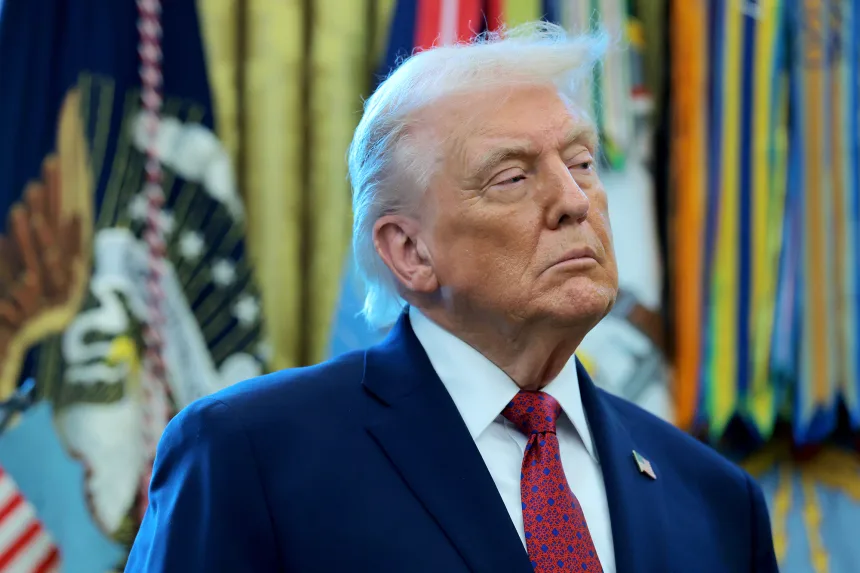
Donald Trump’s decision to file a staggering $10 billion lawsuit against the BBC has left legal experts and media analysts more puzzled than alarmed. While Trump has a long history of attacking media organizations he deems hostile, this latest legal move appears to be among his most legally fragile yet.
At the center of the lawsuit is Trump’s claim that the BBC engaged in defamatory reporting that damaged his reputation on a global scale. However, the complaint reportedly lacks specific evidence of false statements, a critical requirement in defamation cases—especially when the plaintiff is a public figure. In U.S. and international law alike, public figures face a high bar, needing to prove not only falsity but also “actual malice,” meaning the outlet knowingly published false information or acted with reckless disregard for the truth.
Legal analysts argue that the BBC, a publicly funded broadcaster with strict editorial standards, is particularly well-positioned to defend itself. Many of the reports Trump objects to appear to be based on publicly available facts, prior court rulings, or statements made by Trump himself—making the lawsuit even harder to sustain.
The $10 billion figure has also raised eyebrows. Critics see the amount less as a realistic damages claim and more as a political statement designed to generate headlines, rally supporters, and reinforce Trump’s long-running narrative of being persecuted by the media. This tactic mirrors previous lawsuits Trump has filed against journalists and media companies, many of which were quietly dismissed or never advanced beyond early stages.
Beyond the legal weaknesses, the lawsuit may ultimately benefit the BBC more than harm it. Media organizations often see increased credibility and public support when targeted by high-profile political attacks, particularly when those attacks are perceived as attempts to intimidate or silence critical reporting.
In the end, Trump’s lawsuit against the BBC appears less like a serious legal challenge and more like another chapter in his ongoing war with the press—one that generates noise, controversy, and attention, but is unlikely to produce a courtroom victory.









Post Comment