The Cultural and Practical Reasons Behind Men Growing Long Pinky Nails
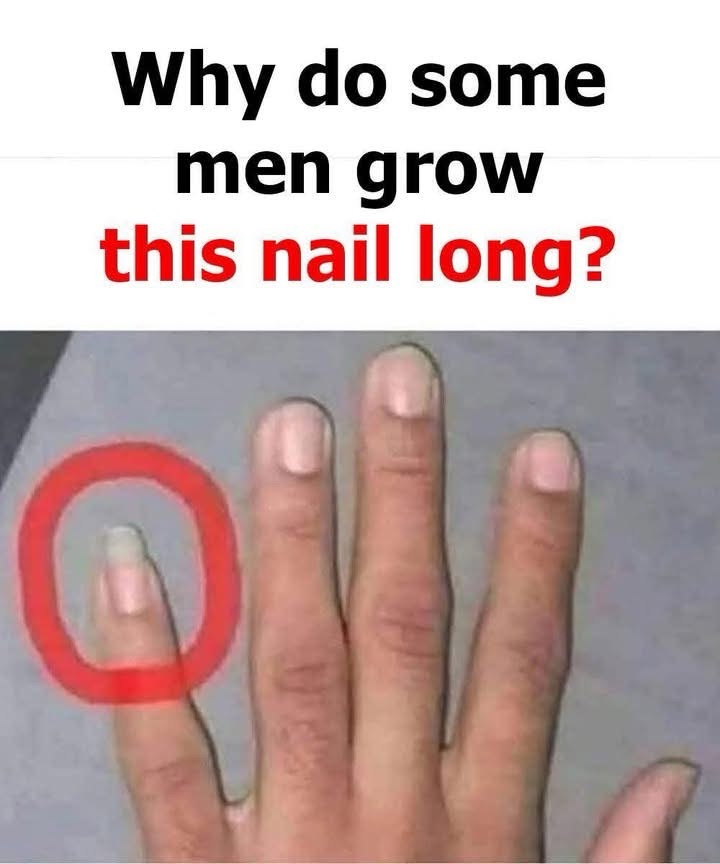
A subtle but striking trend has resurfaced across social media: men growing and maintaining long pinky fingernails. While the look may seem new to some, its roots stretch back centuries and span continents.
In 19th-century China and India, the elongated pinky nail served as far more than a stylistic flourish. It signified social standing, intellectual refinement, and the privilege of a life untouched by manual labor. Among Victorian elites in the West, the long pinky became a marker of elegance—an understated yet deliberate detail that conveyed sophistication and status.
Today, the motivations are far more varied, reflecting the complexity of modern identity. For some men, the long pinky nail is an act of personal expression or a nod to cultural heritage. For others, it has practical value: musicians—particularly guitar, banjo, and string-plucking instrumentalists—often grow the nail for precision and tone. In some communities, it remains a quiet symbol of belonging or tradition, while for others it is simply a grooming choice or fashion statement that reflects discipline and attention to detail.
Still, the trend is often misunderstood. Stereotypes have long linked long pinky nails to negative habits or illicit behavior, obscuring the broader historical and cultural context. In reality, the reasons people maintain the nail are as diverse as the individuals themselves—ranging from functional use to cultural symbolism, from aesthetic preference to generational tradition.
What endures is the nail’s place in the larger tapestry of human expression. The long pinky fingernail continues to be a small yet fascinating marker of identity, blending history, culture, practicality, and personal style into a single, enduring detail.