The Epstein Files: The Full and Disturbing Timeline Explained
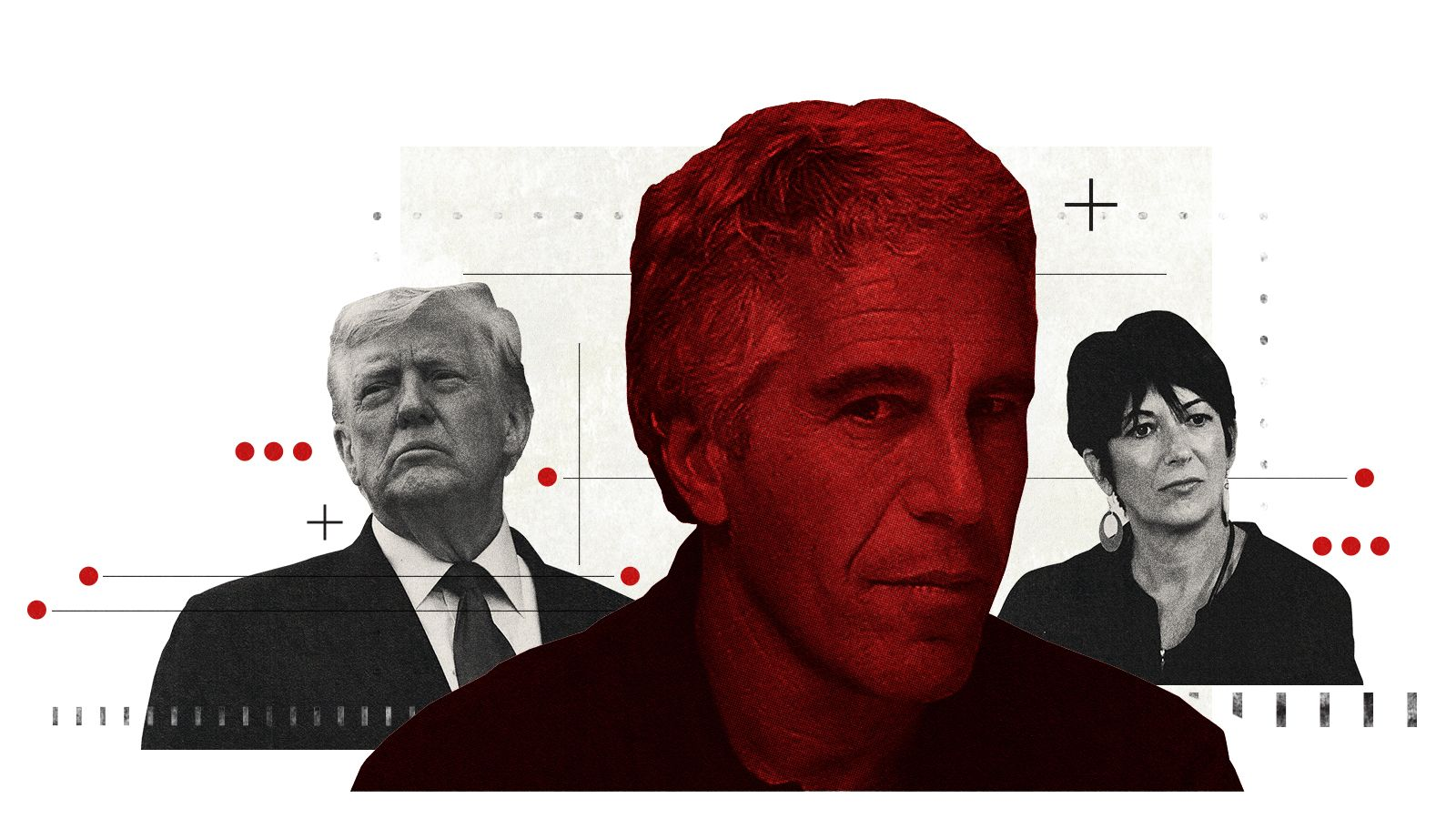
From his early years as a Brooklyn math prodigy to his rise as one of the most notorious figures in modern criminal history, the story of Jeffrey Epstein is as unsettling as it is revealing. His path — from teaching at New York’s elite Dalton School to amassing a mysterious fortune and cultivating ties to some of the most powerful people in the world — exposes the dark intersection between privilege, influence, and unchecked exploitation.
Early Life and Rapid Rise
Jeffrey Epstein’s story begins in Brooklyn, New York, where his academic talents initially set him apart. He began his career in education, teaching mathematics and physics at the Dalton School, an elite Manhattan prep school. Despite having no college degree, Epstein soon pivoted to finance — joining Bear Stearns in the 1970s and later founding his own wealth-management firm.
By the 1990s, Epstein had become a familiar name among the ultra-rich. He owned a lavish townhouse in Manhattan, a private jet, and a secluded island in the U.S. Virgin Islands — assets that fueled both fascination and suspicion. His social circle included politicians, scientists, and members of royalty. Yet behind the glamour was a growing pattern of abuse, manipulation, and coercion that would eventually unravel his empire.
The First Scandal and a Controversial Plea Deal
Epstein’s downfall began in 2005, when a Palm Beach parent accused him of sexually abusing her 14-year-old daughter. Local police uncovered a pattern of similar cases — dozens of young women allegedly recruited and exploited under the guise of “massage appointments.”
In 2008, after years of negotiations and pressure, Epstein pleaded guilty to charges of soliciting prostitution and soliciting a minor for prostitution. In return, he received an extraordinarily lenient plea deal brokered by the U.S. Department of Justice — one that spared him from federal prosecution. He served only 13 months in a county jail, much of it under “work release,” a deal widely condemned as an injustice to his victims and a failure of the legal system.
The 2019 Arrest and Mysterious Death
More than a decade later, federal authorities reopened the case. In July 2019, Epstein was arrested in New York on federal sex-trafficking charges involving minors across multiple states. The indictment detailed years of systemic abuse and recruitment networks spanning his residences in Florida, New York, and the Caribbean.
But before the full truth could emerge in court, Epstein was found dead in his Manhattan jail cell on August 10, 2019. The official ruling — suicide by hanging — did little to silence speculation. Failures in surveillance, broken cameras, and unmonitored guards fueled conspiracy theories that persist to this day.

The Unsealed “Epstein Files”
In the years since his death, thousands of pages of unsealed records — collectively referred to as The Epstein Files — have shed light on the scale of his operations. The documents include flight logs, financial statements, victim depositions, and law-enforcement communications.
They reveal a decades-long failure of oversight: powerful institutions, wealthy allies, and even elements within the justice system that looked the other way or downplayed evidence. Many questions remain unanswered — not only about Epstein’s network, but about how his crimes could continue for so long without effective intervention.
Ongoing Investigations and Public Outrage
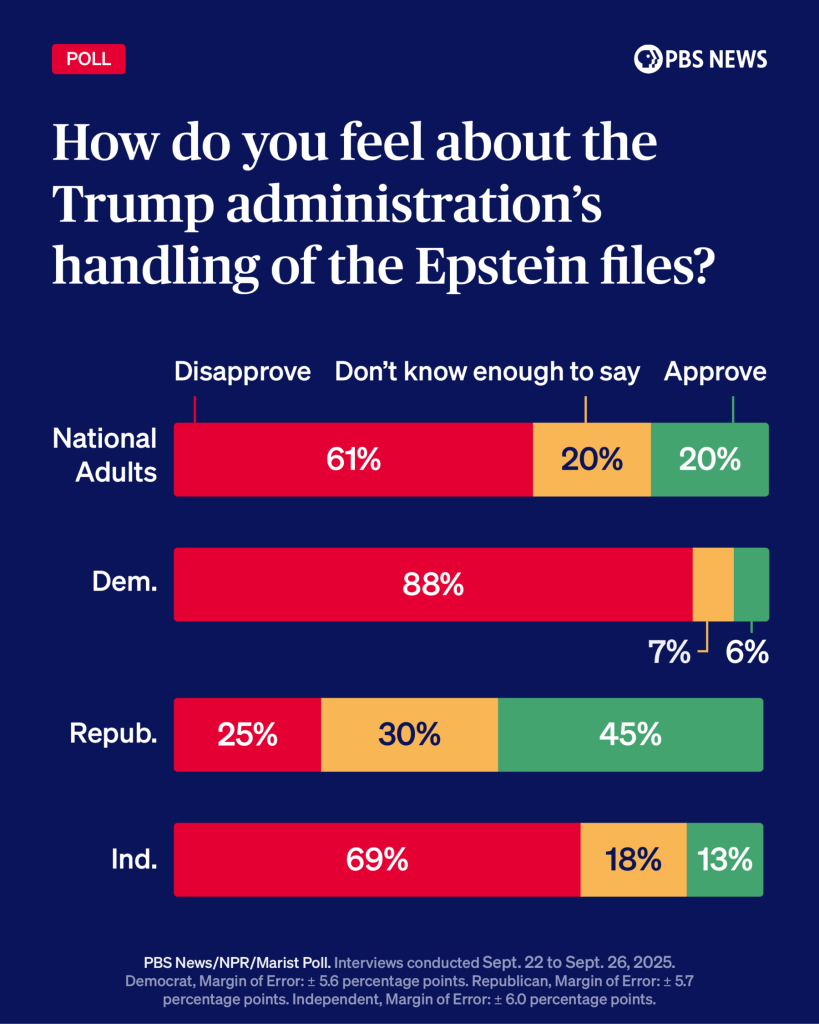
Throughout 2024 and 2025, various committees and media outlets have continued to push for transparency. The Department of Justice confirmed in mid-2025 that it would not release further documents, insisting that Epstein acted alone and that no “client list” exists — a conclusion met with skepticism from the public and victim advocates alike.
The controversy deepened when political figures attempted to frame the files along partisan lines, releasing selected documents that added more confusion than clarity. Meanwhile, victims continue to seek accountability through civil cases and calls for deeper institutional reform.
Legacy and Lessons
The Epstein case is more than just a criminal scandal; it’s a chilling study in how power shields wrongdoing. It shows how influence, money, and status can distort justice, and how systems meant to protect the vulnerable can instead protect the powerful.
As the world continues to dissect the Epstein Files, one truth stands out: while Epstein himself may be gone, the culture of complicity that allowed his abuse to flourish remains a haunting reminder of what happens when accountability is traded for privilege.












Post Comment