The Golden Era of the Portable AM/FM Radio 📻 – Who Had One?
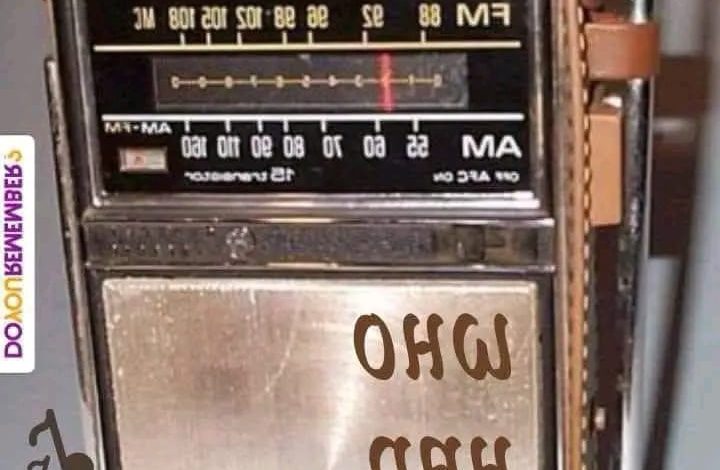
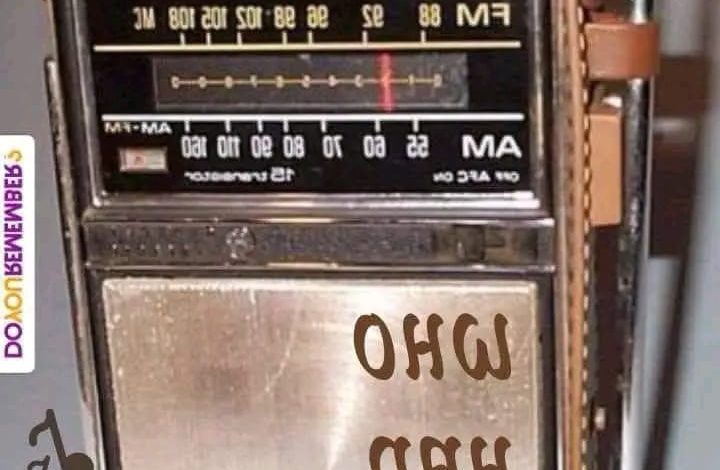
Before smartphones and streaming platforms took over our daily lives, the humble portable radio reigned supreme. This nostalgic image of a vintage AM/FM radio evokes powerful memories of a time when tuning the dial was an exciting ritual, and every static-crackled broadcast felt like a personal message from a world beyond. Sleek in its leather casing, fitted with a telescopic antenna, and boasting a clear analog tuner—this radio wasn’t just a gadget, it was a companion, a cultural icon, and a technological marvel of its time.
The Rise of the Portable Radio:
1. A Symbol of Innovation:
Radios like the one pictured emerged during the mid-20th century, specifically in the 1960s and 70s. With the advent of the transistor, radios became significantly smaller, more energy-efficient, and—most importantly—portable. This allowed users to take their music, news, and favorite radio programs anywhere: the beach, the backyard, or even tucked under a pillow late at night.
This particular unit, featuring both AM and FM bands, marked a step forward in versatility. AM (Amplitude Modulation) was home to talk shows, news, and sports, while FM (Frequency Modulation) delivered high-quality stereo sound perfect for music lovers.
2. More Than a Device – A Cultural Bridge:
These radios were more than just for entertainment. They connected people to the world around them—bringing voices from afar into living rooms and cars, sharing breaking news, playing the latest hits, and keeping families company during long road trips.
The leather case and durable build gave a sense of permanence, reliability, and craftsmanship. Owning a radio like this wasn’t just functional—it was a sign you were tuned into the times.
3. A Source of Joy and Nostalgia:
Ask anyone who grew up with one of these, and they’ll recall the feeling of turning the dial slowly, waiting for the right frequency to come through clearly. There was something magical about the red tuning line sliding across the panel, locking onto your favorite station.
For teens, it was about discovering rock ‘n’ roll or tuning into midnight dedications. For parents, it was a source of news and sports. For everyone, it was a shared family experience—when technology was tangible and communal, not just digital and personal.
Conclusion:
This vintage AM/FM portable radio is more than an artifact—it’s a time capsule. It reminds us of an era where patience, simplicity, and sound held a different kind of magic. For many, it was their first introduction to the outside world, their constant companion during long afternoons, or their background soundtrack while doing homework or chores.
So, who had one? Chances are, if you grew up in the golden age of analog, you did—and you still remember the songs, the static, and the wonder. In today’s high-tech world, this classic piece serves as a beautiful reminder that some of the most memorable moments were made when we simply listened.