The Incredible Life Of Ruth Handler, The Woman Who Invented Barbie
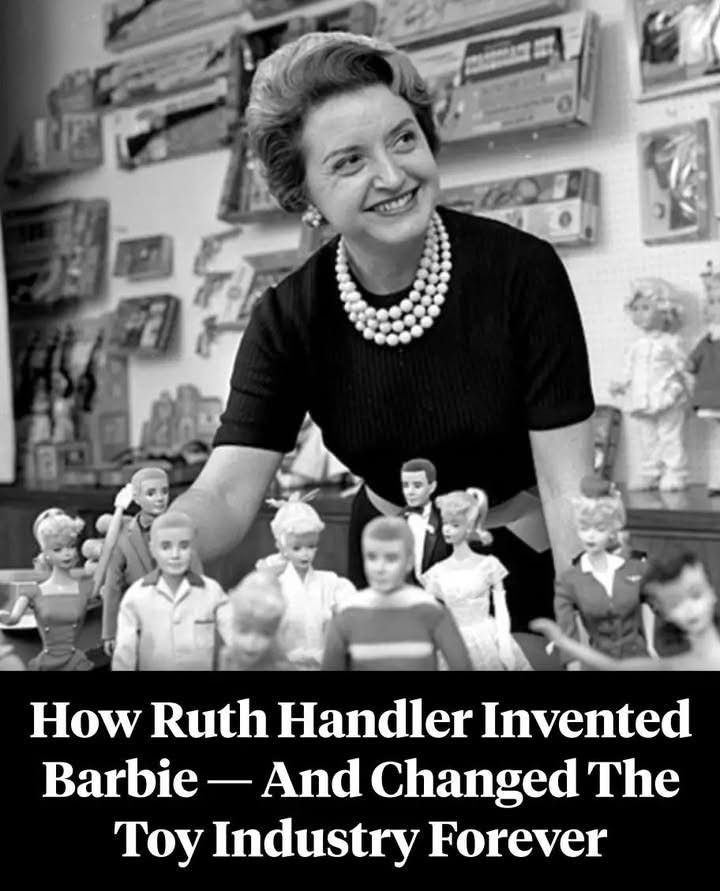
The president of Mattel, Ruth Handler debuted the Barbie doll in 1959 — and later created an innovative prosthetic for breast cancer survivors.
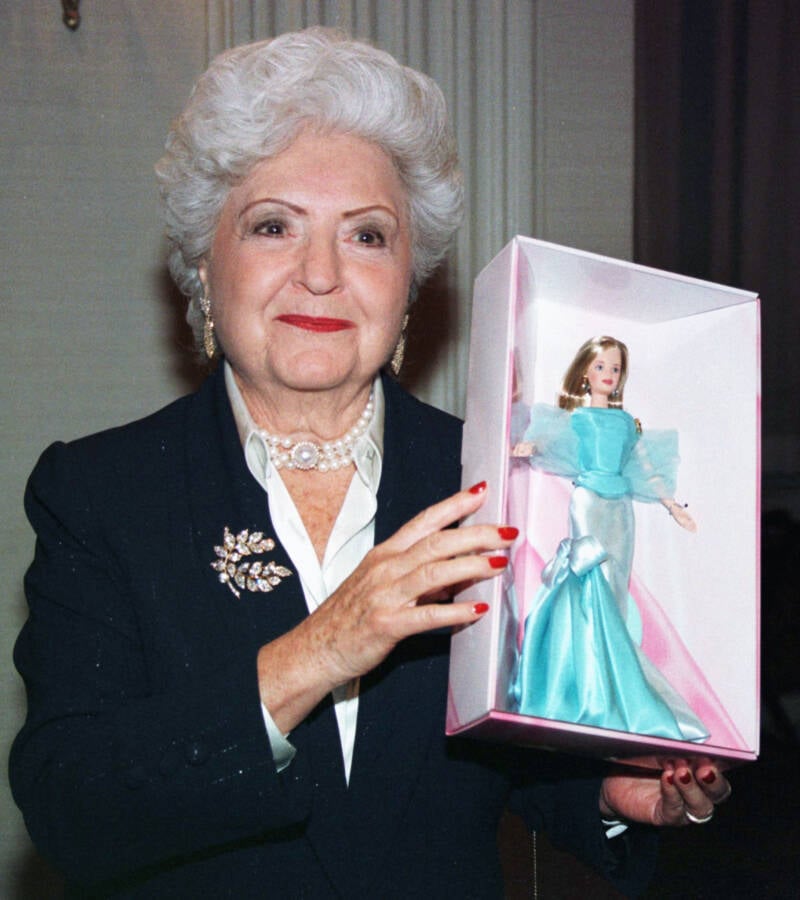
The Barbie doll is one of the most recognizable toys in the world, and it’s all thanks to a woman named Ruth Handler.
In 1959, when Handler introduced Barbie, the toy quickly took the world by storm. Never before had a doll like Barbie been sold on store shelves — busty, blonde, and most importantly, with adult features. Most girls had simply resigned themselves to playing with baby dolls, while a wide variety of toys marketed to young boys continued to flood the market.
Some feminists attacked Barbie for being a symbol of objectification, and others critiqued the doll for providing young girls with unrealistic aspirations.
But Barbie proved to be more than just a toy. Perhaps more than anything else, the Barbie doll showed countless young girls that they could grow up to be anything that they wanted to be. They weren’t confined to the traditional roles that had been laid out before them for so many years.
And the woman who created Barbie, Ruth Handler, was likewise inspirational.
How Ruth Handler Helped Make Mattel One Of The World’s Biggest Toy Companies
Ruth Handler was born on November 4, 1916, in Denver, Colorado to Jewish-Polish immigrants Jacob and Ida Moskowicz. She was the youngest of 10 children, and when she was just six months old, her parents left her in the care of her older sister Sarah and Sarah’s husband. Until Ruth was 19 years old, she lived with the couple and developed a passion for entrepreneurship after working at Sarah’s drugstore for a period of time.
In high school, Ruth met a boy named Izzy Handler, and the two eventually married in 1938. The couple then made their home in Los Angeles — a city that Ruth Handler was already familiar with, as she had accepted a job with Paramount Studios in her sophomore year at the University of Denver.
In California, she convinced her husband to go by his middle name, Elliot, and, later, to start a company with Harold “Matt” Matson, combining their names into one word: Mattel. But Mattel didn’t start out as a toy manufacturer. In fact, it had more humble beginnings: selling picture frames.
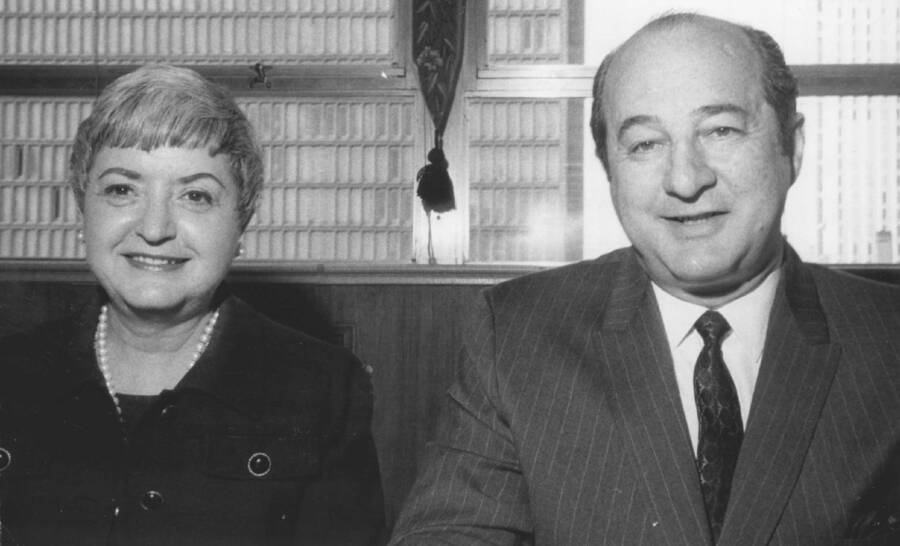
But according to Entrepreneur, Elliot Handler didn’t let the picture frame scraps go to waste — he used them to make tiny furniture fit for dollhouses.
Despite the success of his doll furniture side business, however, Matson sold out to Handler, believing the company was ultimately doomed to fail. It was then that Ruth Handler joined her husband as a co-owner of the business.
It didn’t take long for Mattel to pivot completely from selling picture frames to selling toys. Decreased sales of furniture and other types of home decor during World War II helped spark the fateful transition.
The Handlers enjoyed a fair amount of success after shifting their focus to toys, though it paled in comparison to what would later come their way. Among their first big sellers was the “Uke-A-Doodle,” a toy ukulele that became so popular, they launched an entire line of musical toys for children.
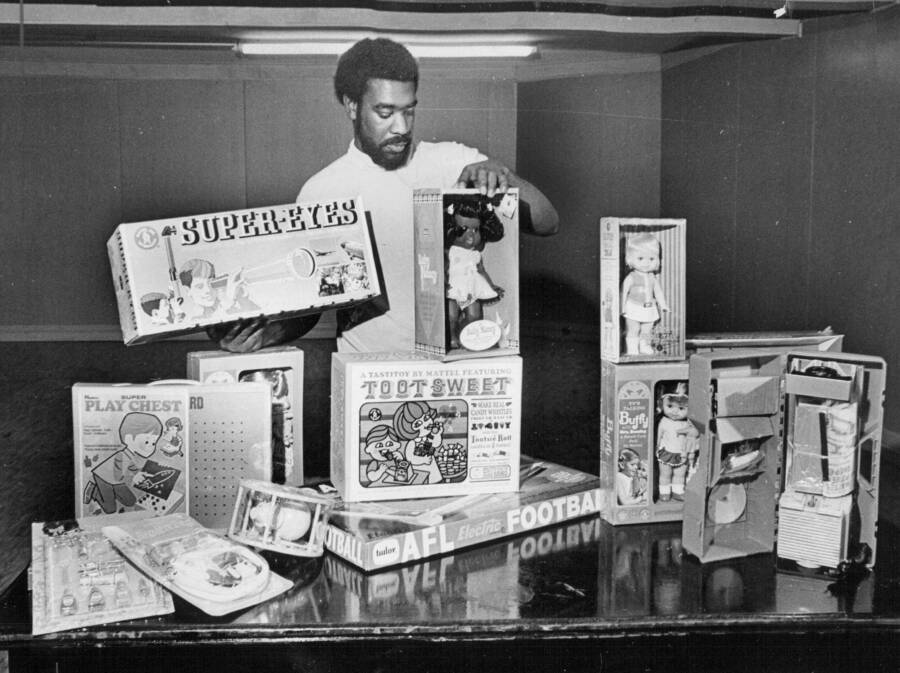
The mid-1950s also proved to be a fortuitous time for the Handlers. In 1955, they secured the rights to advertise during the popular television show The Mickey Mouse Club, which helped make Mattel a household name across the entire country. That same year, they released a toy burp gun.
Inspired By Her Daughter And A German Novelty Doll, Ruth Handler Created Barbie
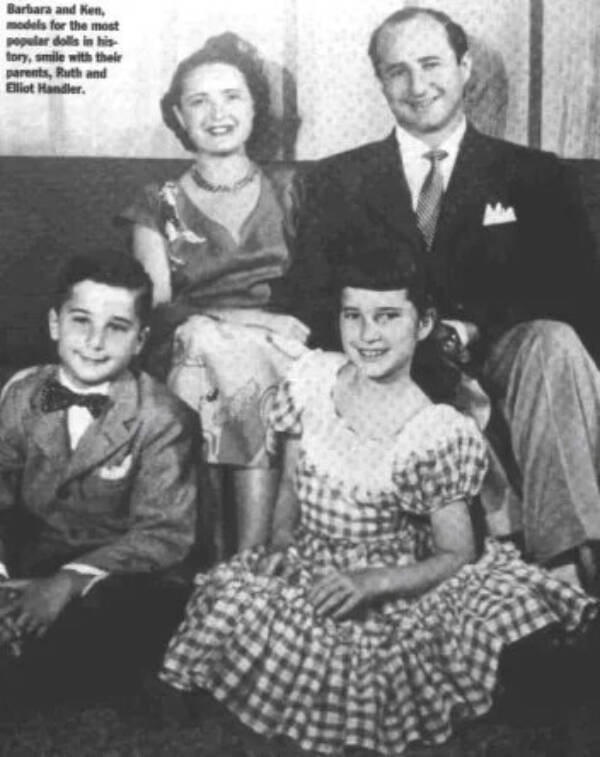
As Ruth Handler was brainstorming new ideas for toys, she saw her daughter Barbara and her friends playing with paper dolls, using them to act out fantasies of being cheerleaders, college students, and working women.
Handler wanted to provide other girls with a toy that let them do the same thing her daughter had already done — dream about the future.
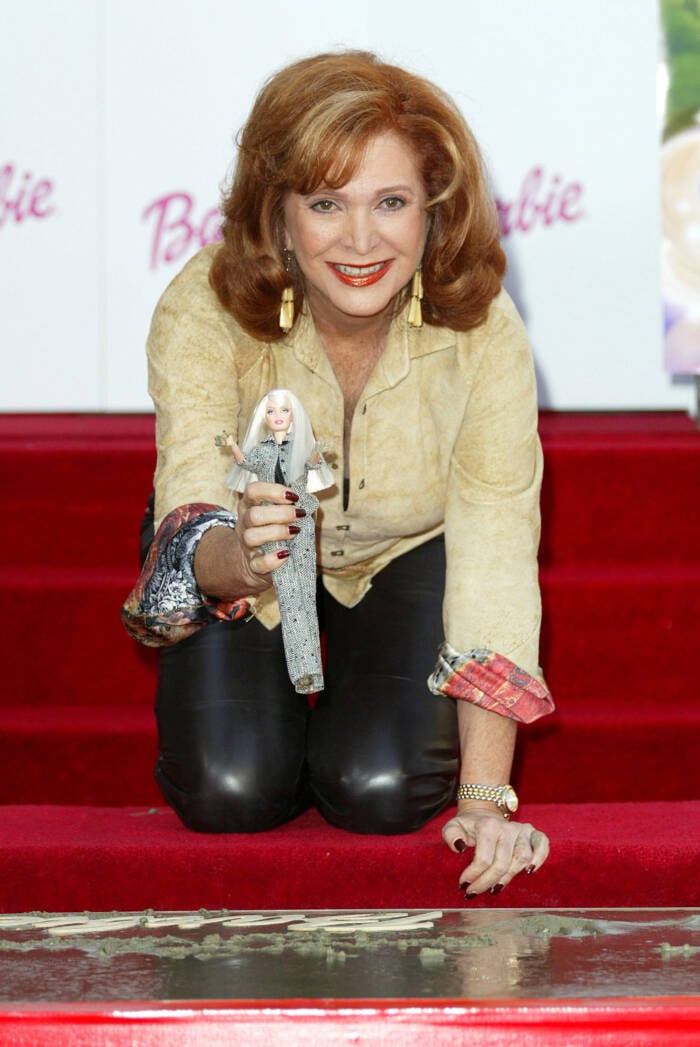
So, Ruth Handler approached Mattel designers with a concept for a new doll, one that was different from practically every other doll on the market. Instead of making yet another cherubic baby doll for young girls to take care of and play the role of mother, this doll would look like an adult woman.
The designers were skeptical. Some even thought it would be impossible.
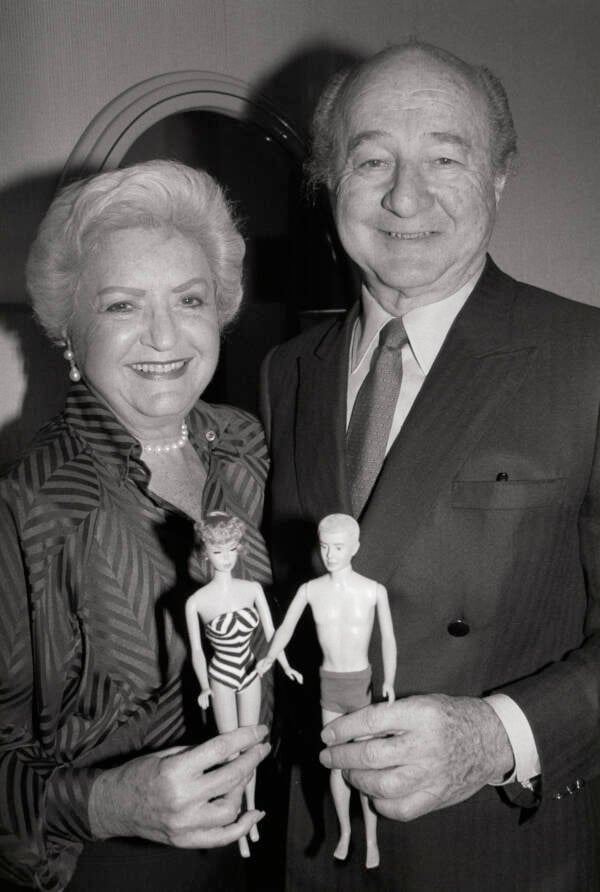
But Handler was adamant. “Every little girl needed a doll through which to project herself into her dream of her future,” she later recalled in an interview with The New York Times. “If she was going to do role playing of what she would be like when she was 16 or 17, it was a little stupid to play with a doll that had a flat chest. So I gave it beautiful breasts.”
Since baby dolls and paper dolls were the main options marketed to young girls at the time, Handler was determined to create the adult-looking doll and fill that void in the market. However, she needed more design inspiration, and she found it by chance while on vacation in Switzerland.
According to ThoughtCo, while in Switzerland, Ruth Handler came across a doll called Bild Lilli in a shop. Bild Lilli was a sexy German adult novelty doll based on a comic strip character who happened to be a high-end call girl. Obviously, Handler couldn’t market something like Bild Lilli to children, but the doll’s design was exactly what she had been looking for.
Ironically, some children in Europe had already been playing with Bild Lilli, even though it had only been marketed to adults. Clearly, children were interested in dressing up a doll that resembled the adults in their lives.
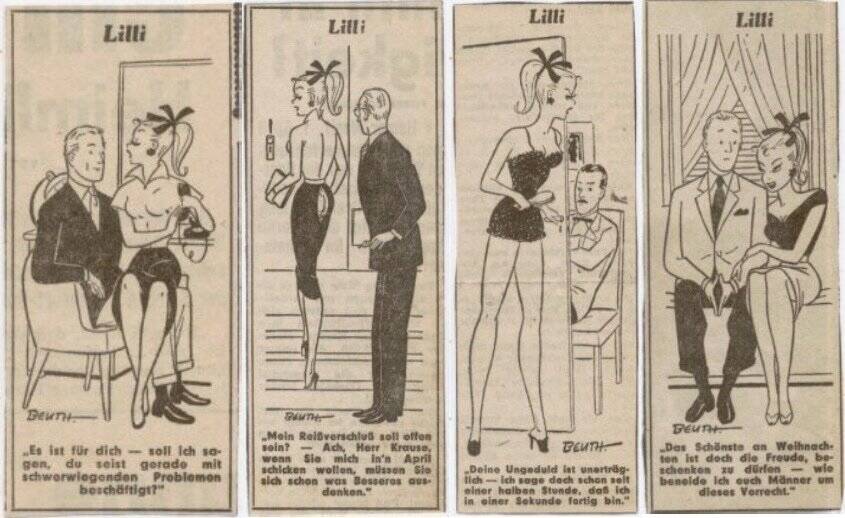
Ruth Handler bought the doll, returned to America, and showed it to Mattel designers. And on March 9, 1959, Mattel introduced their new doll, Barbie, a teenage fashion model, at the American Toy Fair in New York. The doll was named after Handler’s daughter, Barbara. Two years later, they introduced Barbie’s boyfriend, Ken (who was named after Handler’s son).
Criticisms Of Barbie And Its Impact On Girls
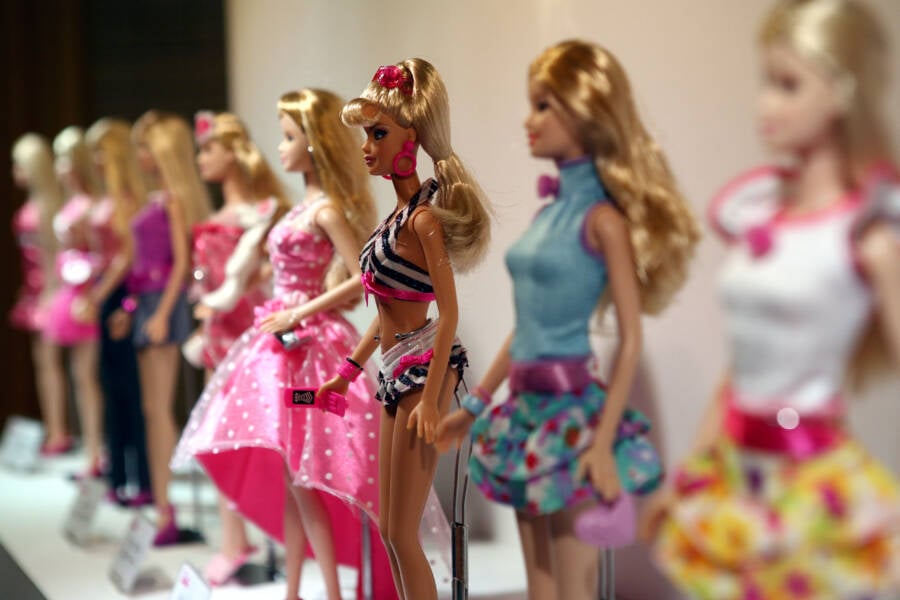
By the 1970s, Barbie had already undergone a number of iterations and changes. She’d sported a Jackie Kennedy-inspired hairdo and made a Black friend named “Colored Francie” during the civil rights movement. Barbie had also been a doctor, an astronaut, and a professional skier. (Eventually, Barbie would go on to have more than 200 different careers total.)
But meanwhile, the woman who created Barbie had faced criticism from some feminist groups. They pointed out that Ruth Handler’s famous toy represented unrealistic ideals for little girls, given that her measurements would have been a nearly impossible 39–21-33 if she were a real woman.
One study later found that girls aged five to eight years old who played with Barbies reported a lower self-esteem and a greater desire for a thinner body shape than girls who didn’t play with Barbies.
“Early exposure to dolls epitomizing an unrealistically thin body ideal may damage girls’ body image, which would contribute to an increased risk of disordered eating and weight cycling,” the study reported.
Barbie’s reputation took another hit when, in 1978, Ruth Handler and three other former Mattel officers were indicted on charges of fraud and false reporting to the Securities and Exchange Commission (SEC). They were accused of trying to influence stock prices. Handler pleaded no contest, and she was ultimately fined and sentenced to community service.
But by then, Handler had already moved on to another venture: making prosthetic breasts for cancer survivors — a group that Handler belonged to.