The Kindness Hidden in a Flour Sack: How 1930s Women Turned Survival Into Beauty
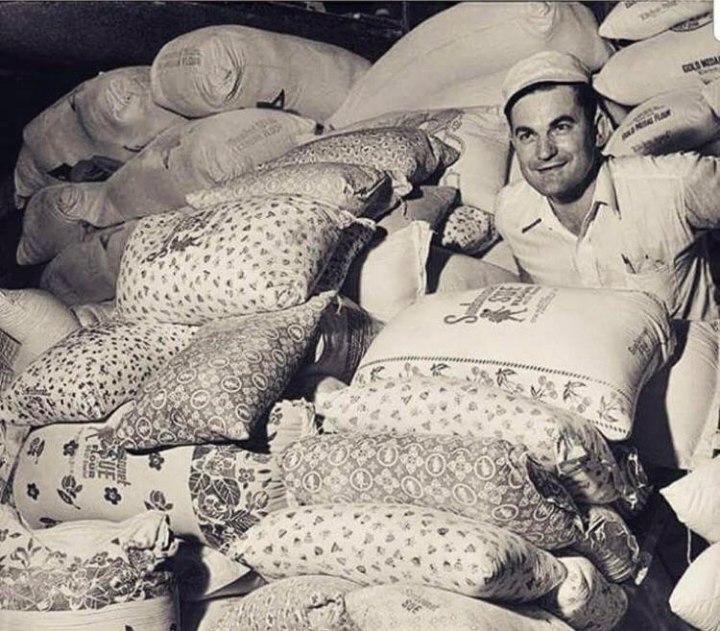
During the harsh years of the Great Depression, survival in rural America often depended not on luxury, but on resourcefulness and quiet compassion. It was a time when every scrap of fabric, every empty jar, and every bag of flour carried value far beyond its original purpose. And in this struggle, an unexpected story of human kindness emerged — one stitched together from flour sacks, love, and creativity.
Hard Times, Hard Work
In the 1930s, families across the Midwest, including Kansas and neighboring states, faced unimaginable economic hardship. The Great Depression had crippled incomes, and the Dust Bowl had ravaged farms. For many households, basic needs like food, clothing, and shelter were daily concerns.
Most families bought flour, sugar, and feed in large cotton sacks — sturdy, plain bags that typically bore the manufacturer’s name in bold ink. When the flour was gone, nothing was wasted. The fabric became towels, diapers, pillowcases, or, most importantly, clothing for children. Mothers across America became expert seamstresses, cutting and stitching these sacks into dresses, shirts, and nightgowns.
But while practical, these clothes were plain and sometimes carried faint traces of the product labels, serving as a quiet reminder of hardship. That changed in 1939, thanks to an act of simple yet powerful empathy.
A Beautiful Idea
It was around this time that mill owners in Kansas and elsewhere began to notice a touching trend: women were reusing the flour sacks to clothe their families. Instead of ignoring it, they decided to help.
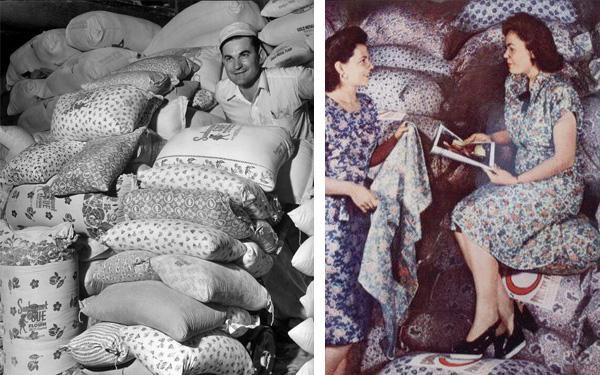
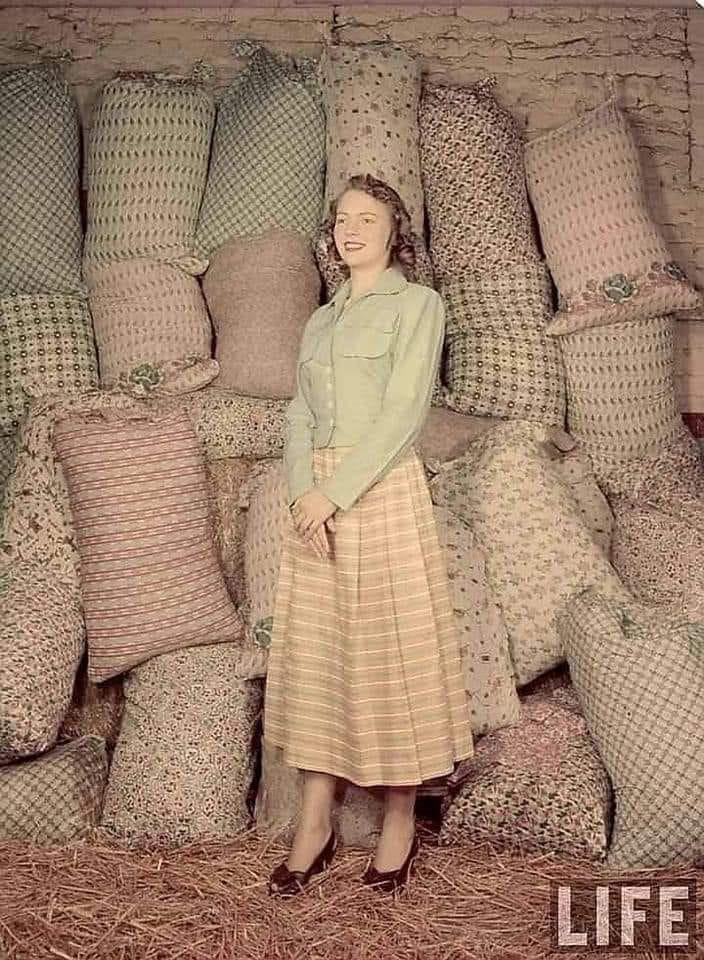
Textile and milling companies began producing sacks made from colorful printed fabrics — charming floral patterns, polka dots, stripes, and tiny farm scenes — that women could turn into dresses and children’s clothes. To make them even more useful, the labels were printed with washable ink that would easily fade away after laundering, leaving behind a beautiful, unmarked piece of fabric.
This small act of corporate compassion transformed necessity into dignity. It gave mothers the chance to create something cheerful and new for their children — not just clothes to wear, but clothes to be proud of.
A Nation Wrapped in Kindness
Before long, these patterned sacks became a staple of American homes. Newspapers and women’s magazines began publishing sewing patterns and creative ways to repurpose them. Some families even selected which flour brand to buy based on the designs printed on the bags, eager to collect matching patterns for a full outfit or a quilt.
For children, the new fabrics brought color to otherwise gray days. A little girl could wear a bright, flowery dress made from what once held the family’s flour — and she might never even realize its humble origin. For mothers, it was a way to give their families a touch of beauty during times when beauty was scarce.
More Than Fabric
Looking back, it’s easy to see this as just a clever marketing idea, but it was much more than that. It was an example of empathy meeting ingenuity — of businesses recognizing the struggles of ordinary people and responding in a way that uplifted entire communities.
The flour sack story reminds us that even in the toughest times, kindness has a ripple effect. One small change — replacing a plain sack with a patterned one — gave countless families joy, creativity, and pride. It turned everyday objects into symbols of resilience and grace.
A Legacy Sewn Into History
Today, collectors still cherish these vintage printed sacks, not just for their beauty but for the stories they tell. Museums display them as artifacts of American perseverance — a testament to the generation that lived through the Depression with grit, love, and imagination.
What began as a practical response to poverty became a cultural moment that celebrated the strength and spirit of women who made something out of nothing, transforming hardship into hope — one stitch at a time.
A lesson that still holds true today: even the smallest act of consideration can brighten a dark time. Sometimes, true patriotism and community spirit aren’t displayed in grand gestures — they’re found in the humble pattern of a flour sack and the steady hands of a mother sewing late into the night.












Post Comment