The Street That Raised Me — A Love Letter to Sesame Street
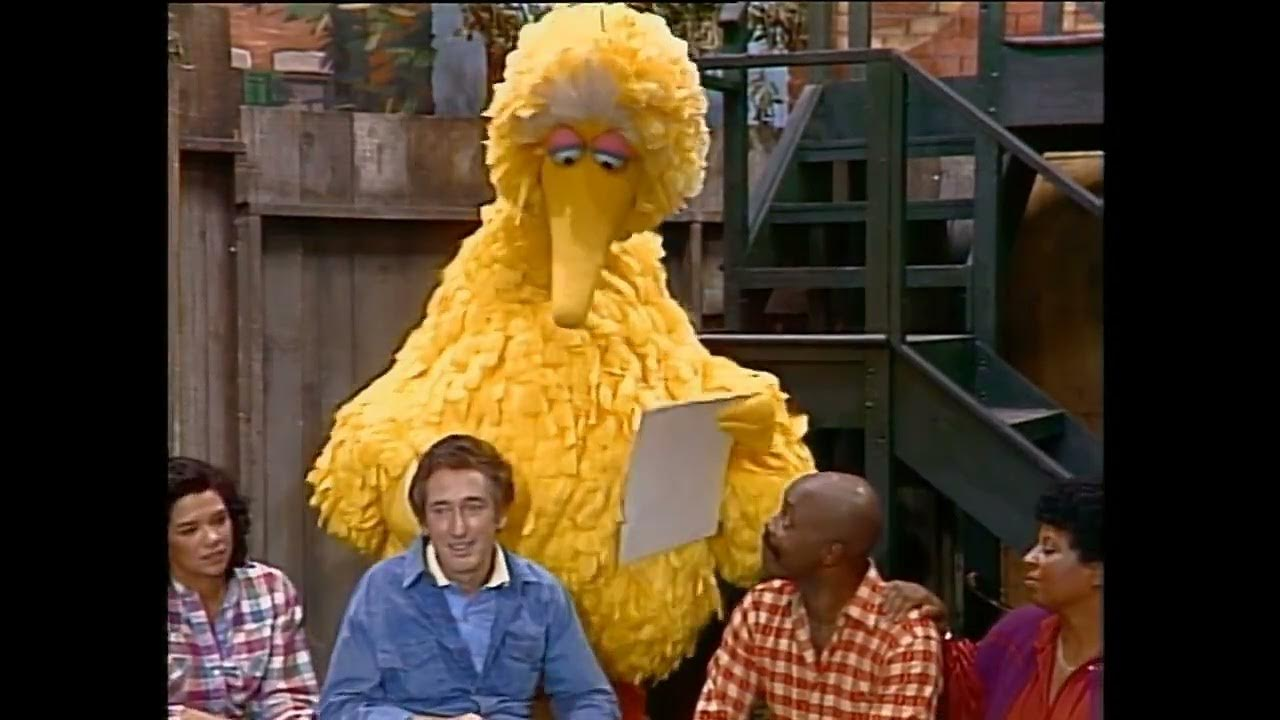
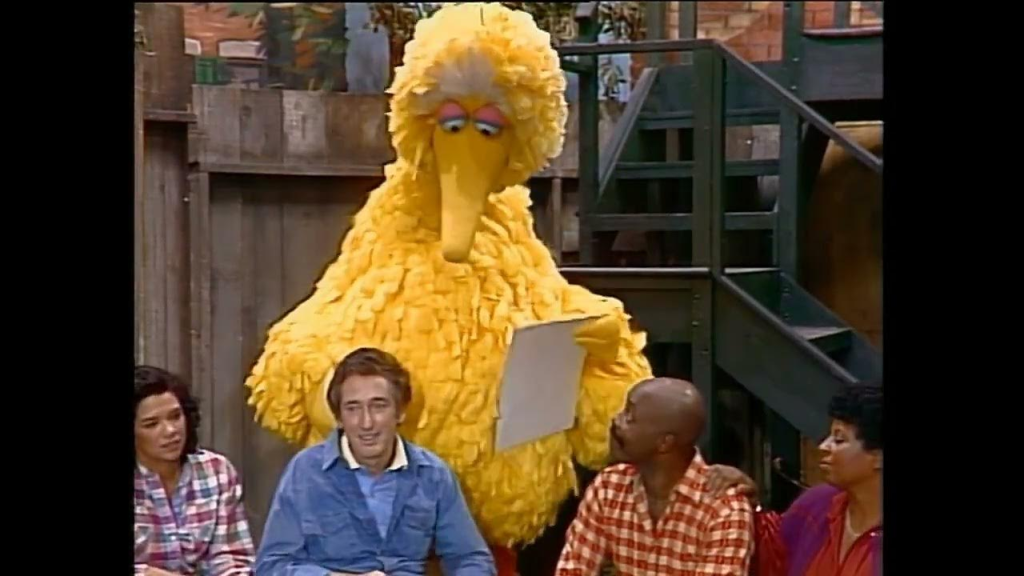
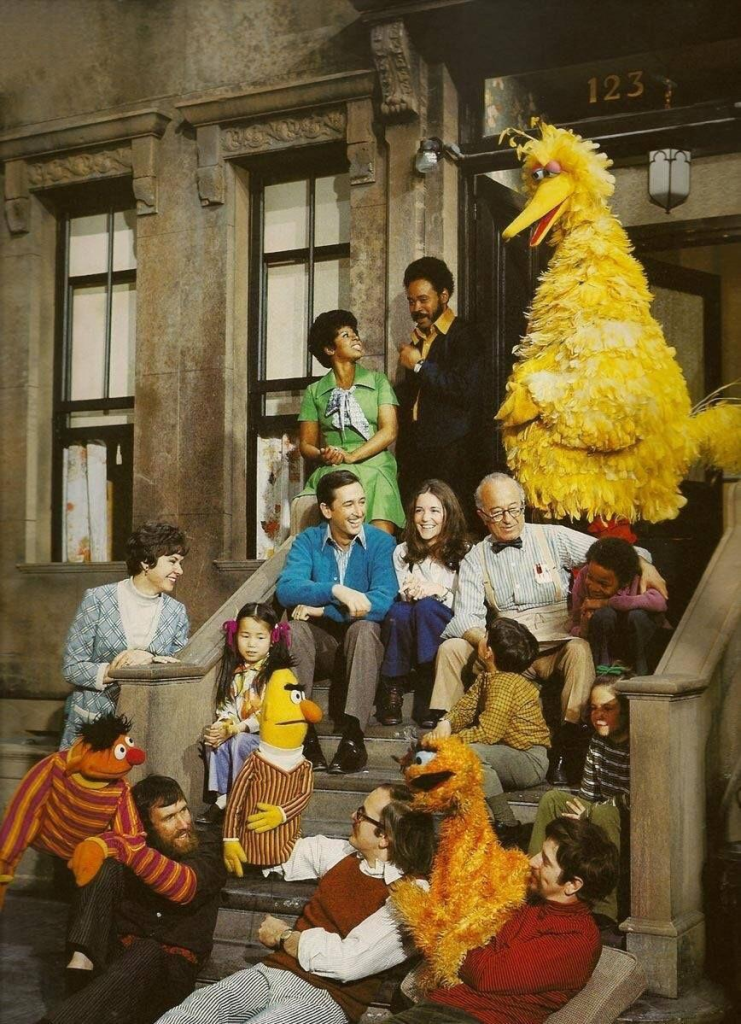
There’s a brownstone with a number on the door—123—that lives in the hearts of millions of us who grew up in the 1970s and early ’80s. Not in a city we could visit, not in a neighborhood with a zip code—but in a space where imagination met kindness, where education came dressed in feathers, fur, and friendship.
It was called Sesame Street, and for those of us lucky enough to grow up with it, it wasn’t just a show. It was home.
A Street Built on Love
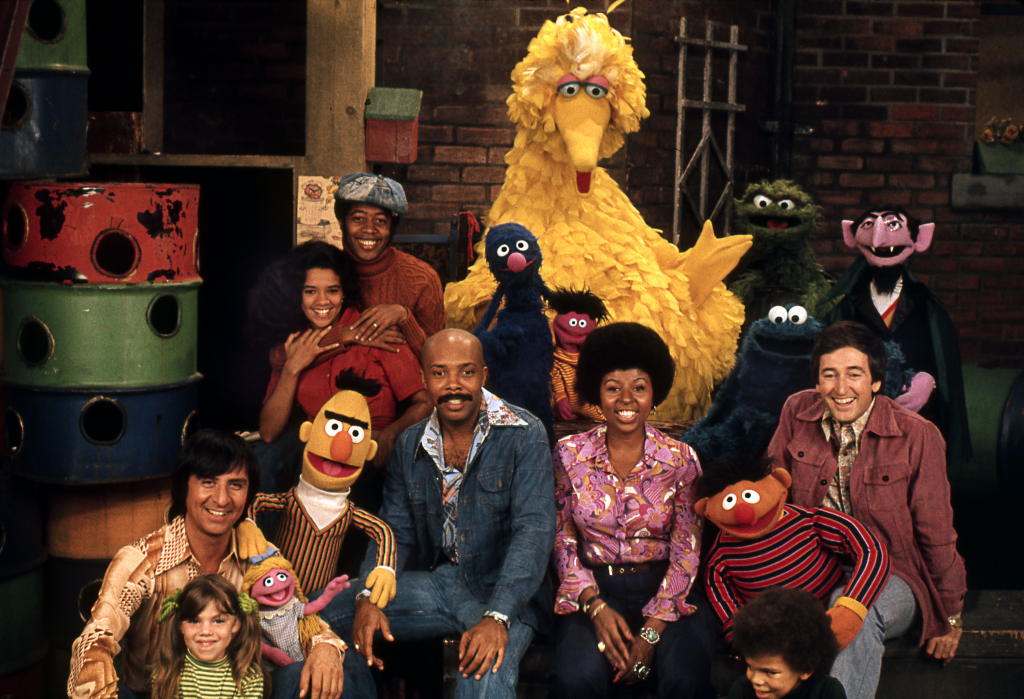
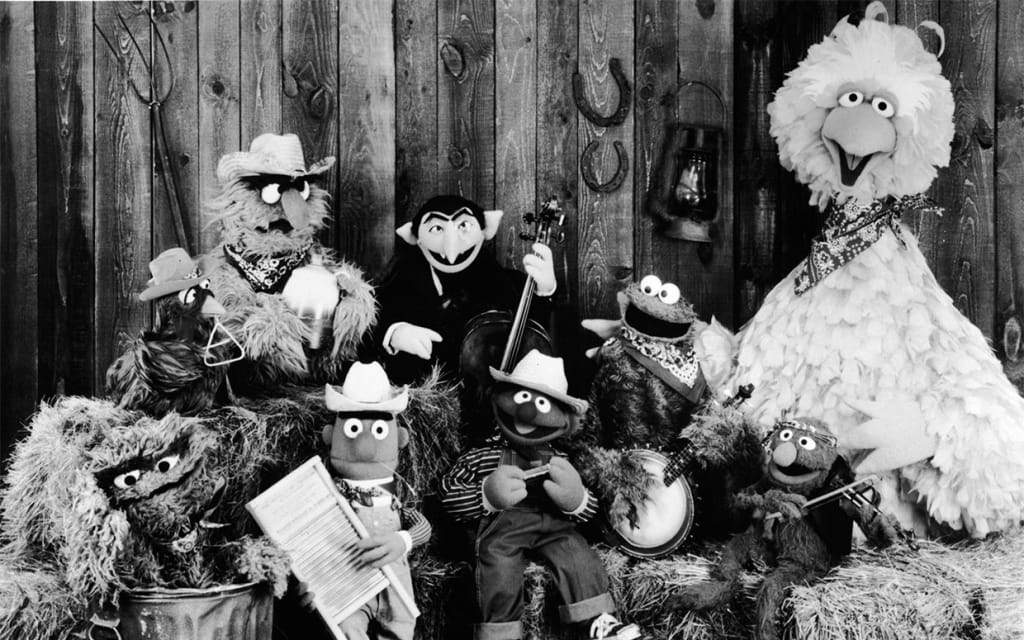
The characters were more than puppets. They were friends, neighbors, even family. Big Bird wasn’t just tall and yellow—he was gentle, curious, and always learning. Bert and Ernie felt like the two quirky uncles everyone needed. Oscar the Grouch may have lived in a trash can, but we all knew he had a soft side. And Mr. Hooper—he was the grandfather figure many of us didn’t have, steady and kind behind his store counter.
When Mr. Hooper passed away, the show didn’t shy away from grief. It faced it head-on. We watched Big Bird try to understand death, and in doing so, we learned how to understand it. That episode wasn’t just a television milestone—it was a moment of collective mourning, growth, and compassion that still brings tears to my eyes all these decades later.
Behind the Street: A World of Heart
Many who worked behind the scenes speak of Sesame Street like it was magic—and it truly was.
A production stage manager from the early ’90s once recalled the pure joy and creative energy on set. Though his primary work was on another Children’s Television Workshop project, Ghostwriter, he described Sesame Street as a place filled with kindness, collaboration, and meaning.
Another person shared how the muppeteers often held conversations off-camera as the puppets—and adults found themselves making eye contact with the muppet, not the human. It was that real.
A touching story stands out: a young boy visited the set and noticed Elmo lying flat, lifeless on a table. “That’s not the real Elmo,” he said. Moments later, Kevin Clash brought Elmo to life from behind a window just to say hello. That little boy—now a grown man—still tears up remembering the moment.
Because that’s what Sesame Street was: a place where wonder and care were more than scripted—they were lived.
Real Lessons, Real Impact
Sesame Street wasn’t afraid to be real. It taught us about letters and numbers, yes, but also about divorce, racism, disability, and emotions. We learned how to express ourselves, how to respect others, and how to feel safe being who we were.
The show was inclusive before it was trendy. We met characters who used sign language, who had different skin colors, who spoke Spanish or wore turbans or used wheelchairs. And none of it was forced—it was natural. It said to kids everywhere: You belong here.
And we believed it.
“Can You Tell Me How to Get…”
That theme song still triggers a lump in my throat.
“Sunny day, sweepin’ the clouds away…”
“On my way to where the air is sweet…”
It wasn’t just catchy—it was comforting. A promise that, no matter what your day looked like, you could step into a place of joy, safety, and learning.
And decades later, I still carry that promise with me.
A Final Note
To those of us now in our 60s and beyond, Sesame Street remains one of the most important parts of our childhood. It shaped us more than we realized at the time. And though the street itself may have been made of plywood and soundstages, what it stood for—education, empathy, and joy—was always real.
I’ll never stop wondering how to get back there.
But maybe… just maybe… I never really left.












Post Comment