This Woman’s Controversial Obituary For Her Mom Caused Outrage — But I Think We Need More Like It
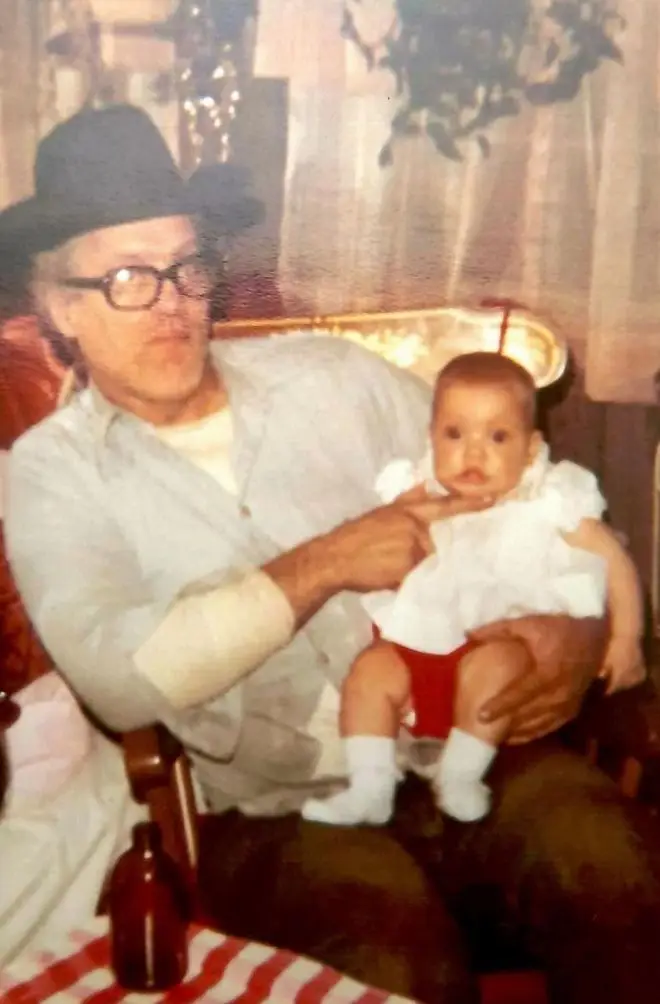
My grandmother died last fall.
And if I’m being honest, I don’t think she ever stopped being abusive — not even at the end.
I’ve thought about writing her obituary more than once. It feels like something I should do, something families are supposed to do. But every time I try, the words stop. There’s no gentle way to honor someone who caused so much pain. So none of us in the family have written one. Maybe this — these words — are as close as I’ll ever get.
We’re raised to believe we shouldn’t speak ill of the dead. But that rule only makes sense if the person who died didn’t destroy lives while they were here. What about those of us who lived through their cruelty? What about when silence feels like betrayal — not of them, but of ourselves?
People don’t like to hear about abuse in families. They like their grief stories clean and soft, wrapped in euphemisms and nostalgia. When someone dies, we’re expected to cry, to miss them, to write something glowing that turns even their worst moments into lessons. But that’s not real life.
When my grandfather — “Pop” — died a few years ago, I tried to write honestly about him. He was kind, funny, and loving, but his life was marked by suffering too — much of it at the hands of my grandmother. Once, my father found him walking barefoot down a country road after she threw him out of the house with nothing. I remember him sleeping on our couch when I was a child, trying to start over.
When I submitted his obituary, I wanted to capture both — his pain and his peace. But editors kept rejecting it. They didn’t want to print anything that mentioned the abuse. They wanted the fairy tale. And so I wrote one — a pretty, empty version that only told half the truth.
Pop deserved better. He rebuilt his life, found joy in Florida, loved Elvis, and filled his days with car restoration and laughter. He had finally escaped her.
My grandmother, on the other hand, left behind only damage. Every generation of our family carries scars from her — emotional, physical, and financial. When I was a baby, she kicked my parents and me out of her house over an argument about a messy bathroom. Years later, she had the audacity to take credit for everything my parents achieved on their own.
I remember her visits when I was little, how my father would quietly make sure he stayed nearby — just in case. I didn’t understand it then, but I do now. I’ve spent years in therapy untangling her influence, realizing how deeply it shaped the way I saw love, trust, and myself.
It’s strange, but when someone like her dies, the grief isn’t clean. There’s no relief, no closure. Just a hollow space where the pain used to live.
That’s why I believe in honest obituaries — not as revenge, but as release. Telling the truth about the people who hurt us doesn’t make us cruel. It makes us whole. Pretending they were kind only keeps us trapped in their shadow.
I once read a quote by Anne Lamott that stuck with me: “You own everything that happened to you. Tell your stories. If people wanted you to write warmly about them, they should have behaved better.”
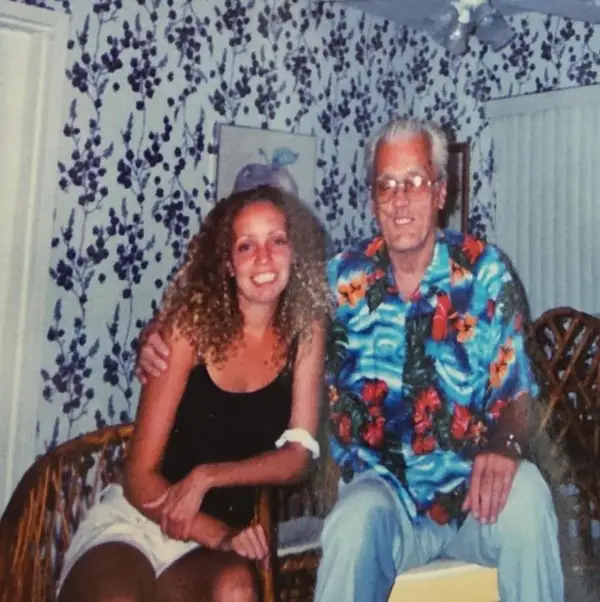
I think about that a lot. It reminds me that I have the right to tell the truth — even if it makes others uncomfortable.
So no, there will be no obituary for my grandmother. Just this — the truth she tried to bury, and the freedom I finally found in saying it out loud.











Post Comment