Title: “Threads” (1984): The Most Terrifying Film You’ve Probably Never Seen
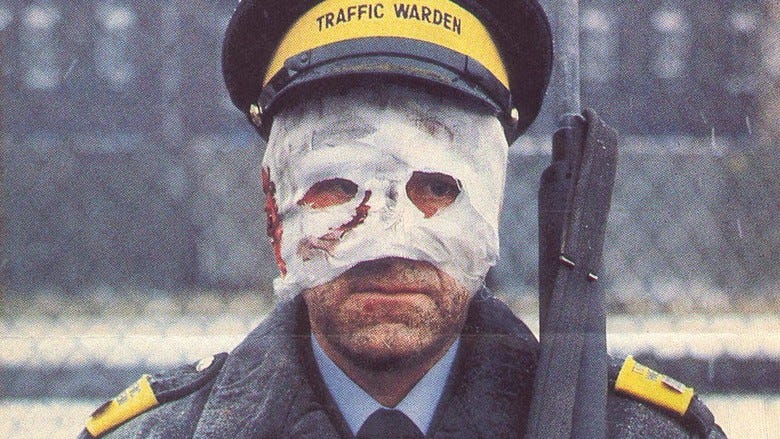
When people talk about the scariest movies ever made, titles like The Exorcist, Hereditary, or The Shining usually dominate the conversation. But ask anyone who’s seen Threads (1984), and you’ll get a different answer—often accompanied by a haunted expression and a shiver. Threads doesn’t rely on jump scares, demons, or supernatural forces. It weaponizes something far more chilling: reality.
What Is Threads?
Threads is a British made-for-TV film produced by the BBC and released in 1984. Directed by Mick Jackson and written by Barry Hines, the film dramatizes the effects of a nuclear war on the city of Sheffield, England. But this isn’t a Hollywood apocalypse with a tidy resolution. This is raw, brutal, and disturbingly plausible.
Unlike many disaster films that focus on a few heroic survivors or a last-minute miracle, Threads begins with ordinary life—families, relationships, politics—and then rips that life apart with an almost documentary-like detachment. It’s this grounded realism that makes it so bone-chilling.
Why It’s So Scary — And Stays With You
1. Realism Over Spectacle
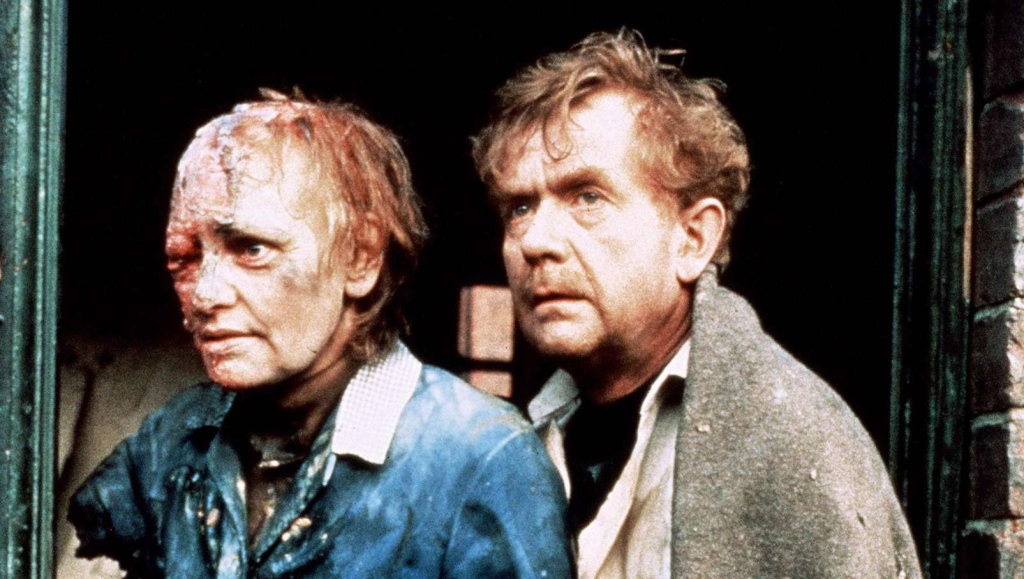
There’s no sensationalism here. The nuclear strike scenes are terrifying, but not because of flashy special effects. Instead, they’re grounded in cold, factual horror: the blindness from the blast, the burns, the chaos in the streets. The film meticulously details how systems break down—communication, food, healthcare, law, and finally, humanity itself.
2. The Slow Decay of Civilization
Threads doesn’t end after the bombs drop. In fact, that’s just the beginning. What follows is a bleak descent into long-term societal collapse. Months and years pass. There’s famine. Radiation poisoning. Martial law. Children growing up feral in a world devoid of education, language, or hope. It’s not just death; it’s the death of culture, memory, and meaning.
3. It’s Not Science Fiction. It’s a Warning.
At the time, the threat of nuclear war was very real. The Cold War loomed large, and Threads was intended as a wake-up call. Unlike most horror films, the fear here isn’t about an unlikely event—it’s about something that could actually happen. Even now, decades later, the message hits hard. Threads doesn’t say “this might happen.” It says, “this will happen if we’re not careful.”
4. The Atmosphere of Helplessness
There is no hero. There is no solution. The characters you grow attached to aren’t saved—they’re simply among the first to suffer. You watch as their hopes, homes, and humanity are incinerated or eroded. The tone is relentlessly hopeless. You feel trapped in this nightmare—and that’s the point.
A Different Kind of Horror
Threads doesn’t make you scream. It makes you sit in stunned silence. It doesn’t scare you with monsters—it scares you with history, science, and what might be around the corner. There are no shadows in the hallway, just the terrifying clarity of what unchecked war and political hubris can lead to.
Many viewers report that Threads left them emotionally devastated for days, even weeks. Some say it changed how they view the world. Few are ever eager to rewatch it—but almost none forget it.
Should You Watch It?
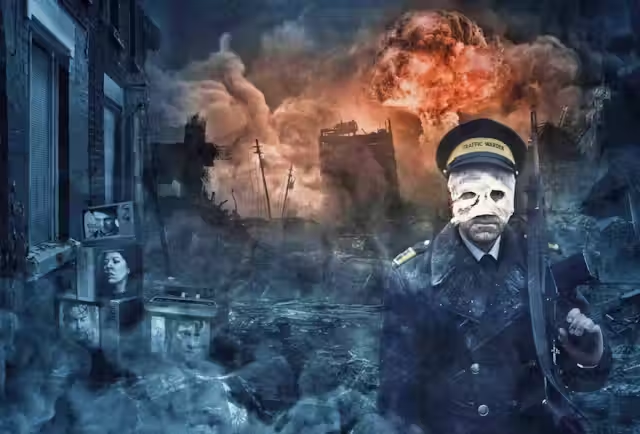
Yes—but prepare yourself. This is not Friday night popcorn fare. It’s a psychological gut-punch, an unflinching glimpse at the abyss. But it’s also one of the most important pieces of anti-war cinema ever made.
If horror is supposed to disturb, provoke, and linger in the back of your mind long after the credits roll, then Threads might just be the scariest movie ever made.
Final Thought
Threads isn’t just a movie. It’s a warning cry from a generation that lived under the constant shadow of nuclear annihilation. In a world where history often repeats itself, its message feels more relevant than ever.
Just don’t say I didn’t warn you.












Post Comment