My Mom’s Support for Trump Divided Our Family. This Is How We Finally Came Back Together.
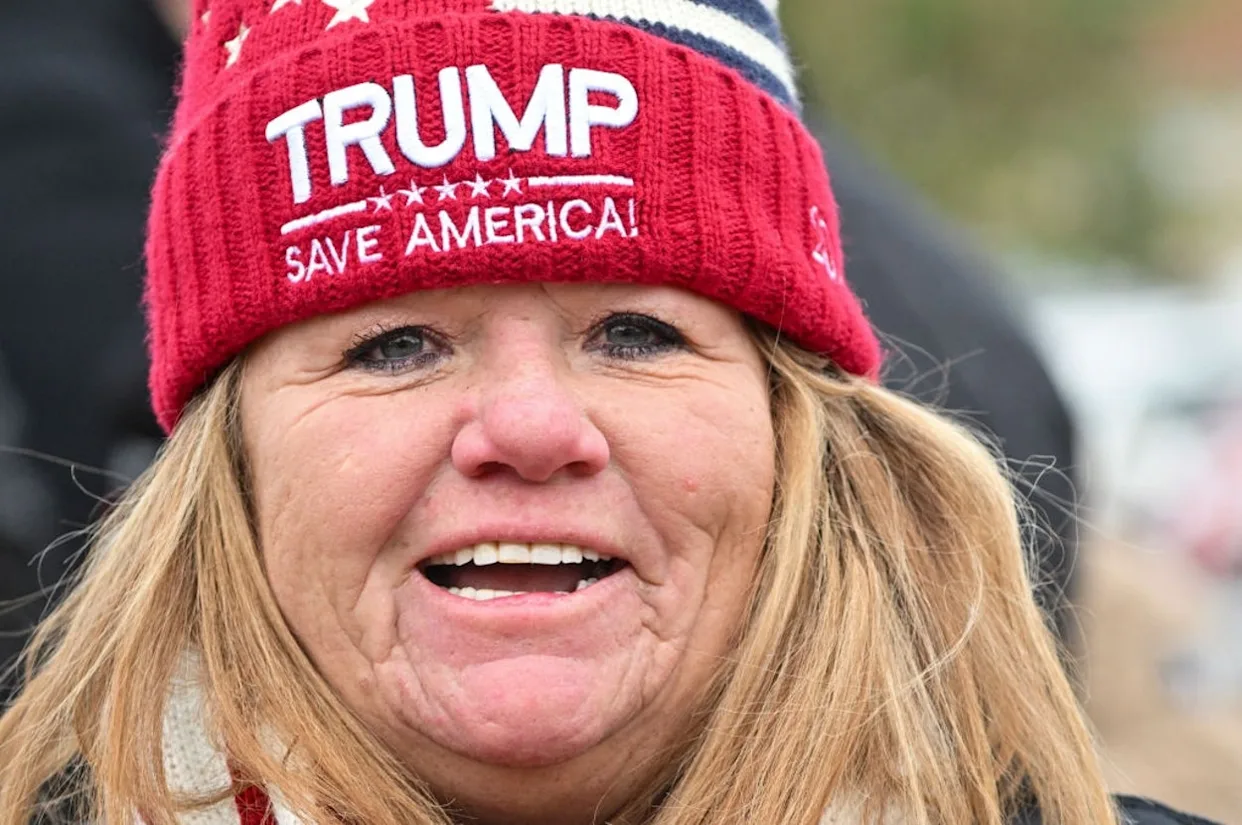
The Trump presidency didn’t just divide America — it divided my family from the inside out. The “Trump Effect,” as I started calling it, seeped into our lives the moment he descended that escalator in Trump Tower. It took seven years, a lot of anger, and one unforgettable moment around my kitchen table for the spell to finally break. But I’m getting ahead of myself.
My mother was a Reagan Republican — loyal, consistent, and unwavering since 1980. None of her four children shared her political devotion, but nothing created distance between us the way Trump did.
Every phone call turned into a fight. Before he even secured the nomination, I warned her that his morals contradicted everything she and my father raised me to believe. He didn’t embody conservative values — he weaponized and distorted them. She didn’t care. When I begged her not to vote for him, she stood firm.
When he won, her choice hit me like betrayal. My wife is Latina; my kids are biracial. Trump’s rhetoric wasn’t abstract to us — it landed like a punch. Her blindness to his white-nationalist undertones hurt all of us.
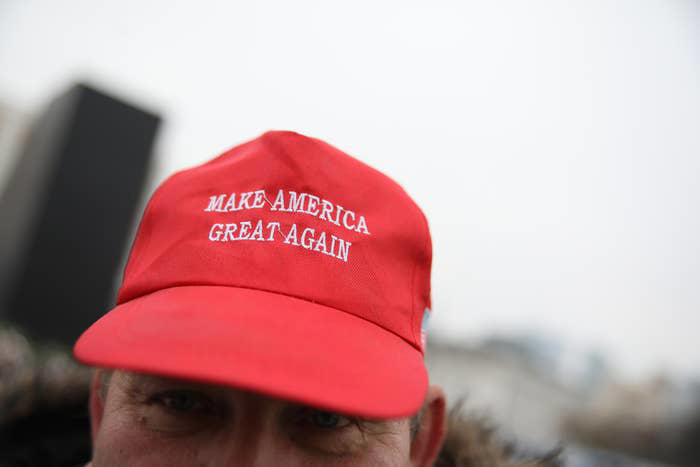
And still, she doubled down.
The more Trump violated norms, the more she defended him. In northern Idaho, her opinions rarely got challenged. When she crossed into eastern Washington, any poker table became her pulpit. People respected her game — and she used that respect to evangelize for Trump.
After the Mueller investigation, she grew even bolder. She didn’t bother defending him to critics anymore; she simply dismissed them. Our conversations shrank to small talk about my life and long monologues about her aches and pains. I missed our political back-and-forth. It never returned.
She voted for Trump again in 2020. She didn’t embrace the “big lie,” not fully, but she defended her candidate with the same stubborn pride as before. But then he began attacking Republicans she had admired for decades — Romney, Cheney, the Bush family — and I saw the first hairline cracks appear.
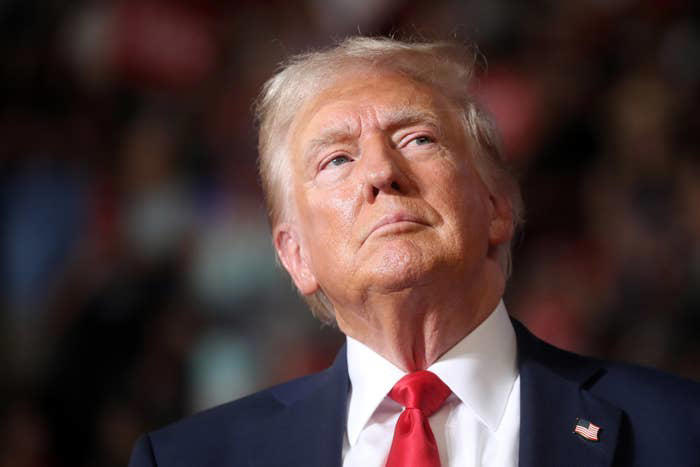
Then came January 6th.
We weren’t together that day, but we both cried. Patriotism runs in our family; my father served in Gen. MacArthur’s honor guard during the Korean War. We always respected the flag. So when the Capitol was desecrated, it devastated both of us — for very different reasons, sure, but the tears ran into the same river.
I didn’t take the opportunity to say what I was thinking. I could see the sadness in her. It wasn’t about Trump losing — it was about her slowly realizing she had been wrong about him. I couldn’t even muster an “I told you so.”
Sixteen months later, we were having dinner when Trump appeared on the screen. She shook her head in mild disgust. I don’t know what came over me — courage, exhaustion, or something in between — but I finally went there.
“Mom,” I said, “I’m going to ask you a huge favor. Please just hear me out.”
I reminded her of everything — the cruelty, the racism, the appeals to our worst instincts. My voice shook, then steadied as years of memories rushed back. And then I said maybe the hardest sentence I’ve ever said to her:
“Will you please apologize to my children for voting for Trump?”
I told her my fear — that when Trump is fully seen for who he is, her support for him would be the thing that defined her legacy. Not her kindness, her stubborn strength, or her fierce love for her family. Him.
A few days later, she invited the whole family for dinner. Three generations sat around a round table. At 92, she still commanded a room. When she stood to speak before grace, everyone fell silent.
“I want to apologize,” she began. Her voice was steady, confident — unmistakably her.
“I made a horrible mistake voting for Trump. If I had known then what I know now, I never would have done it. I hope you will forgive me.”
And just like that, it was done.
A collective breath left the room. She sat back down and, with a little laugh, said, “Well, that wasn’t so hard.” We hugged. I whispered thank you into her ear. She said, “Let’s eat.”
In the months since, we’ve stayed away from politics and focused on what we share — and there’s so much more there than the years of division made me believe. Trump’s conviction on 34 felony counts only reassured her that her break from MAGA wasn’t just right — it was necessary.
My kids have forgiven her. Their wounds are healing. And I know, because she chose accountability over pride, my grandchildren will grow up knowing who she truly was — not who she temporarily became.
In the end, our little “intervention” became something much bigger: a blueprint for healing in a divided time. She showed us what most people today refuse to do — admit when you’re wrong.
That’s the lesson.
That’s the legacy.
An apology at a dinner table that saved a family.






Post Comment