Trump vs. BBC: A $1 Billion Showdown Over Edited Footage of Jan. 6 Speech
Trump vs. BBC: A $1 Billion Showdown Over Edited Footage of Jan. 6 Speech
What’s going on?
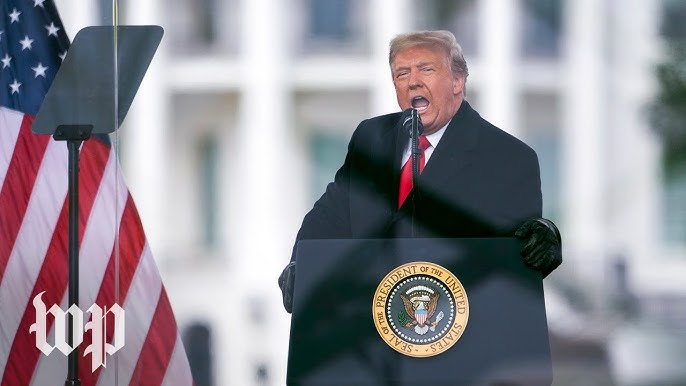
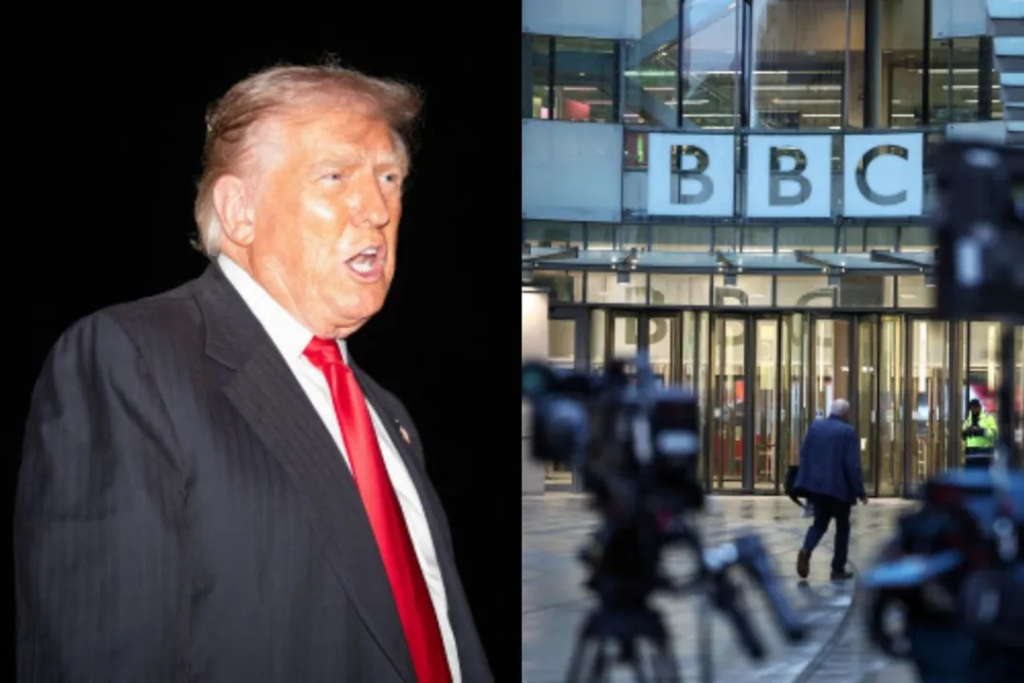
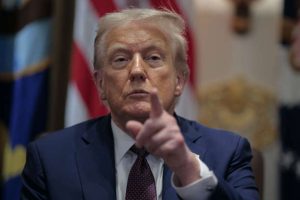
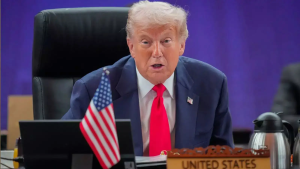
Former President Donald Trump says he plans to move forward with a $1 billion lawsuit against the BBC, claiming the broadcaster “doctored” his January 6, 2021 speech in a way that misled the public.
In an interview with Fox News host Laura Ingraham, Trump said he felt he had “an obligation” to take legal action.
“Well, I guess I have to … because they defrauded the public and they’ve admitted [it] and they’re top echelon,” he told Ingraham.
Trump’s legal team alleges that the BBC’s Panorama episode titled “Trump: A Second Chance?” spliced separate parts of his speech together to make it appear as if he personally incited the Capitol riot — an accusation he calls false and defamatory.
What did the BBC admit or do?
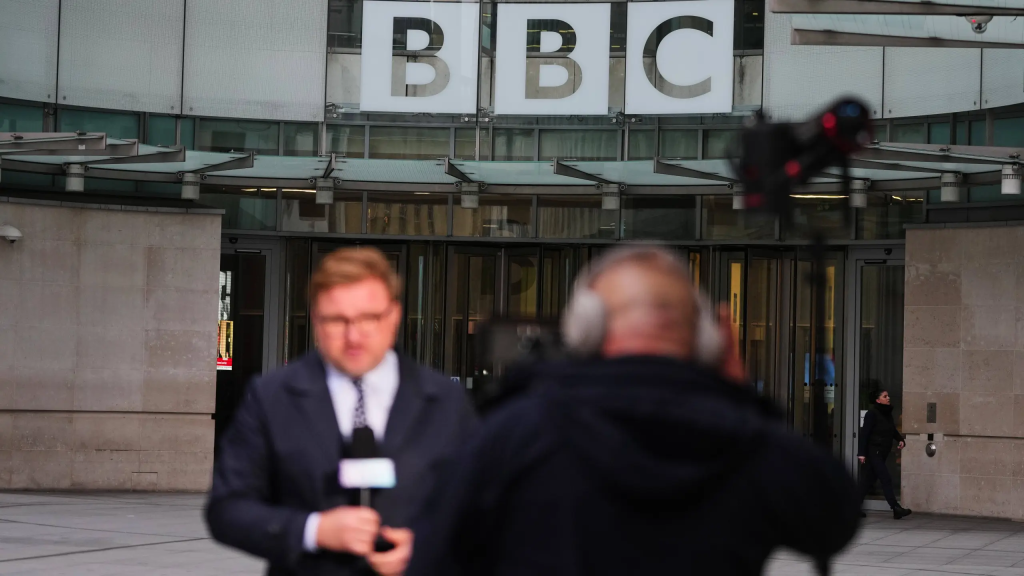
The BBC’s board has since acknowledged “an error of judgment” in how the footage was edited. The network pulled the documentary from on-demand services, and Director-General Tim Davie and News Chief Deborah Turness both resigned in the aftermath.
What exactly was wrong with the edit?
A leaked internal memo showed producers had combined two different sections of Trump’s remarks, spoken about 54 minutes apart, to make them appear as one continuous statement:
“We’re going to walk down to the Capitol … and I’ll be there with you, and we fight. We fight like hell.”
In reality, Trump’s call to “walk down to the Capitol” came much earlier, and his “fight like hell” comment was made later in the speech. The BBC also cut the section where Trump urged supporters to protest “peacefully and patriotically.”
The programme reportedly used unrelated footage of the Proud Boys marching before Trump’s speech, presenting it as if it occurred afterward.
Why this matters
The case raises major questions about media accountability, political bias, and the limits of editorial discretion. Trump says the edit distorted his message and defrauded viewers, while the BBC insists it was a production mistake, not a deliberate act of bias.
As Trump put it, he feels it’s his “obligation” to take them to court — a move that could test not only defamation law across borders but also the credibility of one of the world’s most influential broadcasters.
Why is this important?
- Reputation & defamation — Trump argues the edit misrepresents his words, harming his reputation and misleading audiences.
- Media trust & impartiality — As a publicly funded broadcaster, the BBC’s handling of the case raises serious questions about editorial standards and potential bias.
- Political implications — The programme aired in late 2024, just before the U.S. presidential election, sparking debate about foreign media influence in U.S. politics.
- Legal precedent — A foreign news organization being sued by a former U.S. president is unusual and could have implications for media outlets covering politically charged topics.
What are Trump’s demands and next steps?
Trump’s legal team is demanding:
- A public retraction of the edited segment.
- A public apology from the BBC.
- Compensation of no less than $1 billion for reputational and financial harm.
- A response by a specified deadline or the lawsuit will proceed.
The BBC has said it will review the letter and respond in due course.
What are the potential obstacles and broader questions?
- Defamation law: In the U.S., public figures must prove “actual malice” — that the defendant knew the statement was false or acted with reckless disregard.
- Jurisdiction: Trump’s team cites Florida law as the basis for the suit, raising questions about whether a U.K. broadcaster falls under U.S. jurisdiction.
- Proof of intent: Trump’s team claims the BBC intentionally edited the documentary to interfere in the U.S. election, while the BBC insists it was a mistake, not bias.
- Media accountability: The controversy could shape how international outlets approach coverage of U.S. political figures, especially regarding editing and context.
- Public trust: The incident risks further eroding confidence in journalism at a time of extreme political polarization.
Why this matters
This story underscores several pressing issues:
- How editing and framing in journalism can alter public perception.
- The ongoing clash between politics, media, and accountability.
- The role of foreign media organizations in shaping domestic U.S. narratives.
- The evolving boundaries of defamation and free speech in the digital era.
In Summary
Trump’s threat to sue the BBC for $1 billion is more than a legal move — it’s another front in his long-running war with the media. At its core lies a question of truth and accountability: did the BBC’s editing distort his words, or was it simply a careless mistake?
The BBC’s admission of error and resignations of top executives signal that something went deeply wrong. Whether this ends in settlement, a public apology, or a precedent-setting court battle, it’s a turning point for both media ethics and political storytelling in the modern age.


Post Comment