Unforgettable Silhouette: A Tribute to Timeless Beauty
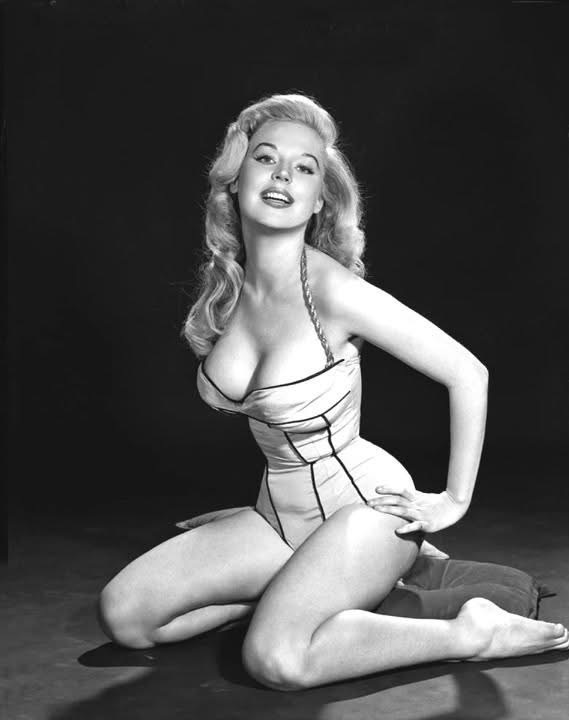
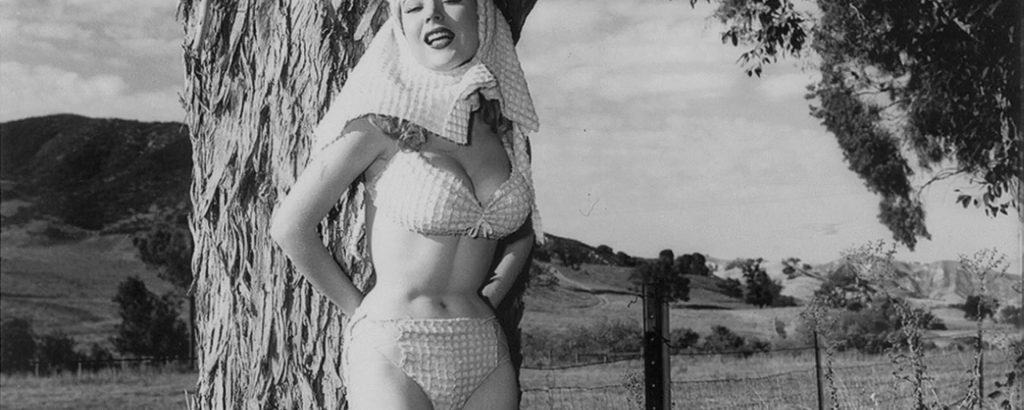
Before the era of Instagram models and digital retouching, there was Betty Brosmer—a natural beauty whose hourglass figure and striking face made her the highest-paid pin-up model of the 1950s. But Brosmer wasn’t just a pretty face with impossible curves. Her journey from teen model to fitness icon, writer, and advocate for women’s health is a story of determination, reinvention, and quiet influence in shaping American beauty and fitness culture.
Betty Brosmer was born Betty Chloe Brosemer on August 6, 1935, in Pasadena, California. Though her surname was eventually stylized to “Brosmer,” her photogenic looks were evident early on. By the time she was 13, her family had moved to Los Angeles, and she began modeling for local photographers. One of her first appearances was in Photoplay, a magazine that featured young starlets. That early exposure led to national attention, and soon Betty was posing for catalogs and teen magazines.
At 15, she won a beauty contest in New York City and was featured in Life Magazine—a pivotal moment that launched her into the modeling stratosphere. Her face, smile, and especially her exaggerated but natural figure—reportedly 38–18-36—became instantly recognizable. Betty Brosmer didn’t just appear on covers; she dominated them, gracing over 300 magazine covers in the 1950s and appearing in thousands of advertisements, calendars, and pin-up spreads.
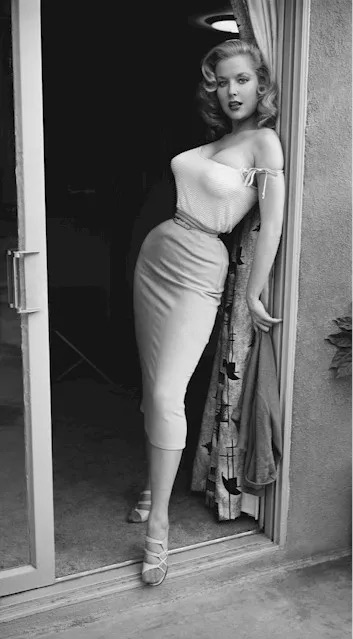
What set Brosmer apart from other models of the time wasn’t just her looks but her business savvy. Unlike many models who relinquished control of their images, Betty retained the rights to her photos. She was one of the first to do so, understanding the long-term value of her image in a time when women had little say over how their likeness was used. She also refused to pose nude, despite enormous pressure and lucrative offers—something that cost her a chance to appear in Playboy but solidified her integrity and personal brand.
Her approach was revolutionary. At a time when women were often commodified and disposable in Hollywood and modeling circles, Betty Brosmer carved a niche as both icon and entrepreneur. She was as much a brand as she was a model—decades before that concept became mainstream
In 1961, at the height of her modeling career, Betty made a bold choice. She married Joe Weider, a bodybuilder and publisher who co-founded the International Federation of Bodybuilding and Fitness (IFBB) and created Muscle & Fitness magazine. It was a partnership that changed her life and, arguably, the future of fitness publishing
After marrying Weider, Betty shifted away from pin-up modeling and entered the world of health and fitness. She became Betty Weider, co-writing columns on nutrition, exercise, and health for Muscle & Fitness, Shape, and Flex magazines. For more than three decades, she was a consistent and respected voice in the fitness world, promoting health for women at a time when the industry was heavily male-dominated
Her writing was accessible and sincere, emphasizing strength, self-respect, and well-being over superficial beauty standards. She wasn’t just the “first lady of fitness” in title—she truly pioneered the message that women could lift weights, stay strong, and be feminine
Despite leaving behind the glamor of pin-up stardom, Betty Brosmer remained deeply connected to her public. Her transition from sex symbol to fitness role model wasn’t just successful—it was seamless. She never abandoned her roots but instead built upon them, using her platform to encourage positive body image and lifelong wellness
Her marriage to Joe Weider lasted over five decades until his death in 2013—a rare example of enduring love in the spotlight. Together, they built an empire that transformed fitness into a global industry. Betty was not just his wife but his partner, muse, editor, and equal

Today, many remember Betty Brosmer as the woman with the tiniest waist in showbiz. But to reduce her legacy to that would be a mistake. She broke barriers in an era that tried to box women into limited roles. She defied expectations, owned her image, and reinvented herself without ever losing her sense of purpose
In retrospect, Betty Brosmer’s life mirrors the evolving role of women in media and society. She began as a pin-up icon, often objectified but never exploited. She transitioned into a thought leader in fitness, promoting empowerment before it became a buzzword. And she did it all while staying true to her values—turning down nude shoots, maintaining control of her brand, and advocating for female strength in every sense.
Now in her late 80s, Betty Brosmer remains a symbol of timeless beauty, brains, and resilience. Her influence continues to ripple through generations of models, athletes, and entrepreneurs who find inspiration in her story. Betty Brosmer was never just a bombshell—she was a blueprint.