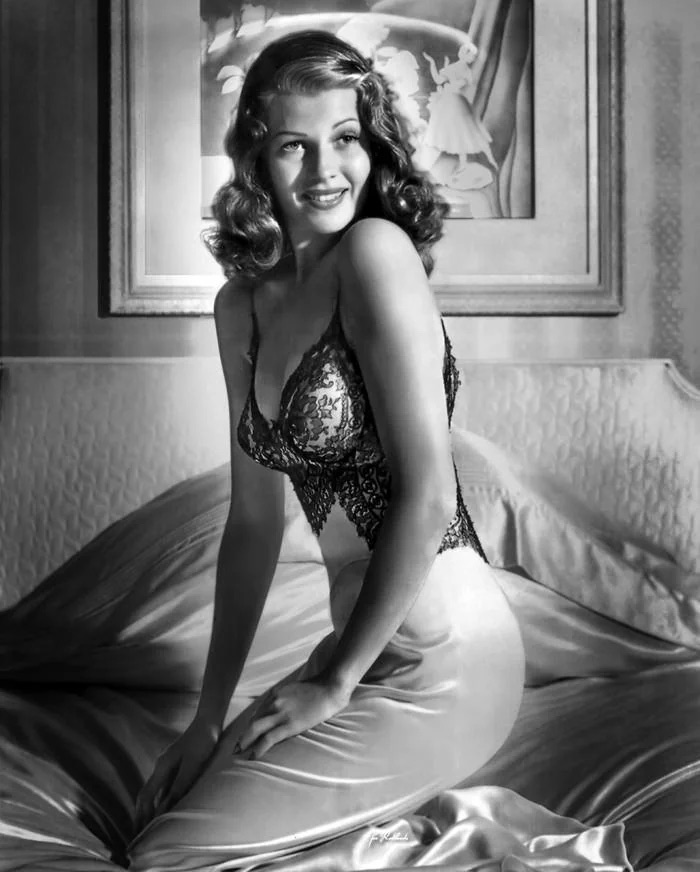
Unseen Moments of the Legendary Screen Goddess
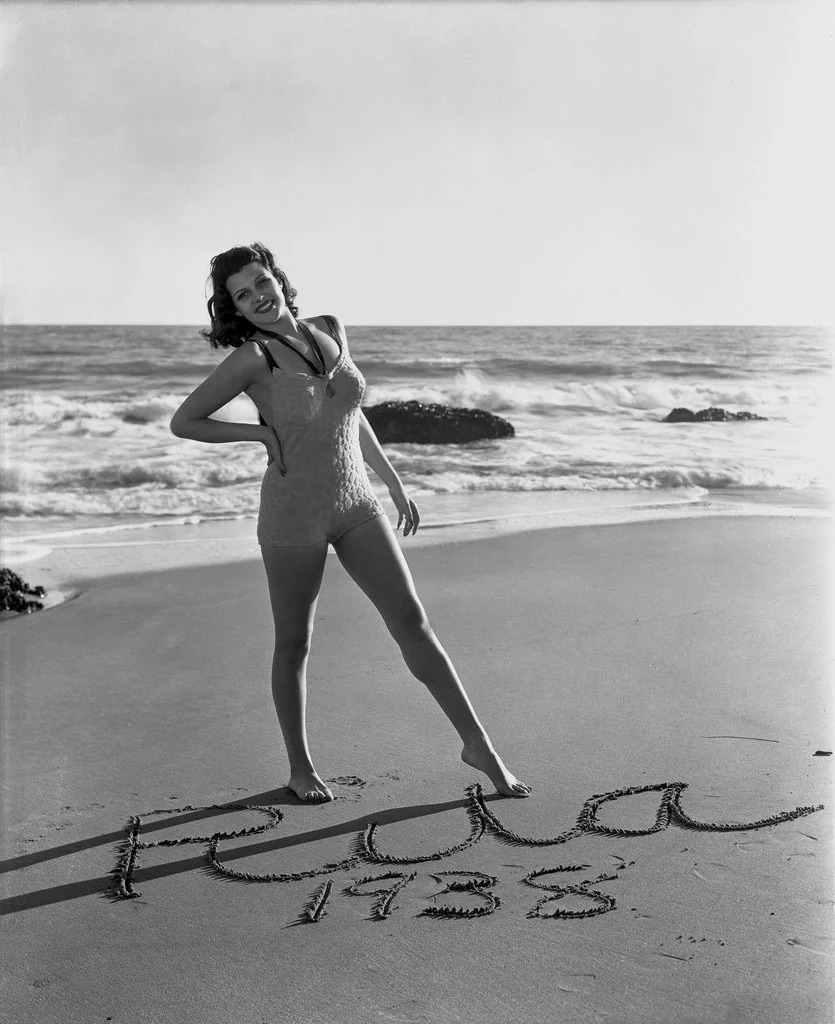
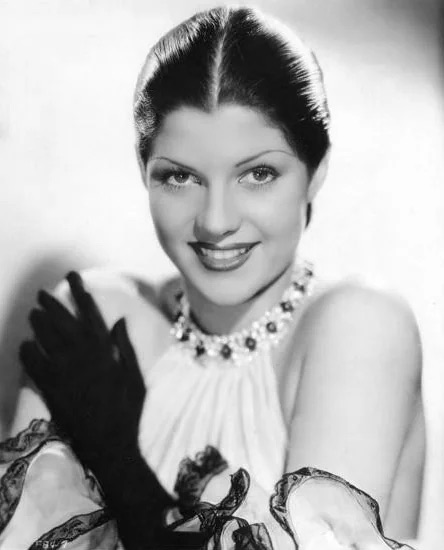
Rita Hayworth: The Timeless Allure of Hollywood’s Pin-Up Goddess
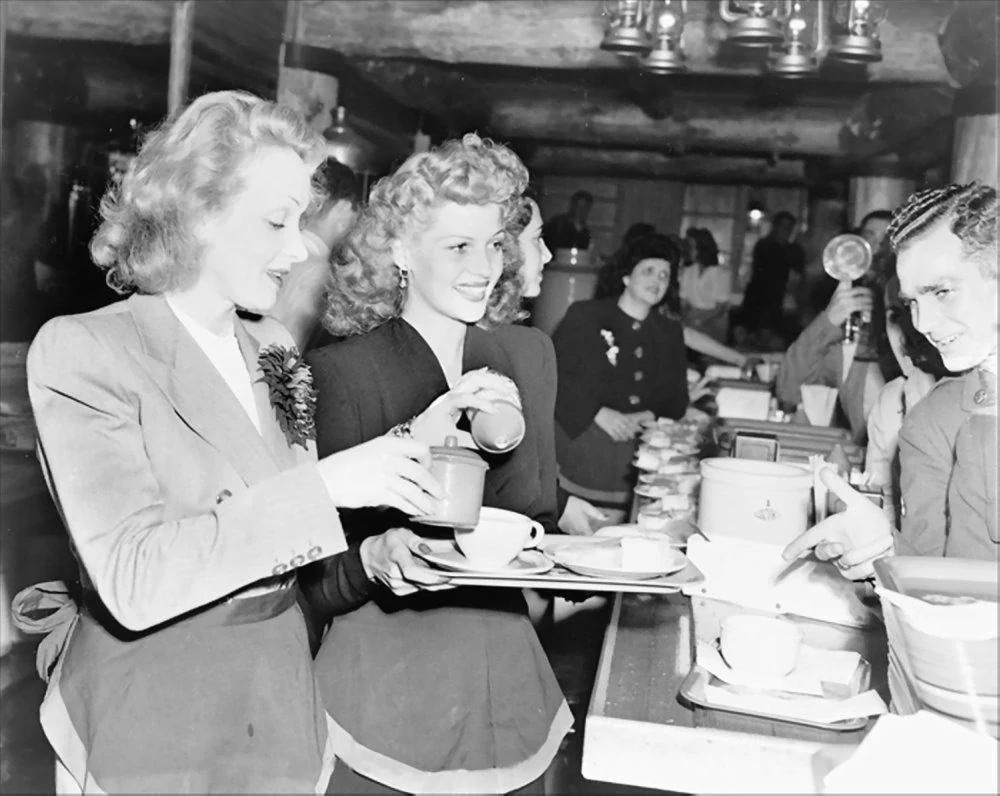
Rita Hayworth, born Margarita Carmen Cansino on October 17, 1918, in Brooklyn, New York, rose from humble beginnings to become one of the most dazzling stars of Hollywood’s Golden Age. Known as the ultimate pin-up icon of the 1940s, she embodied glamour, sensuality, and elegance in a way that few actresses of her time—or since—have ever matched.
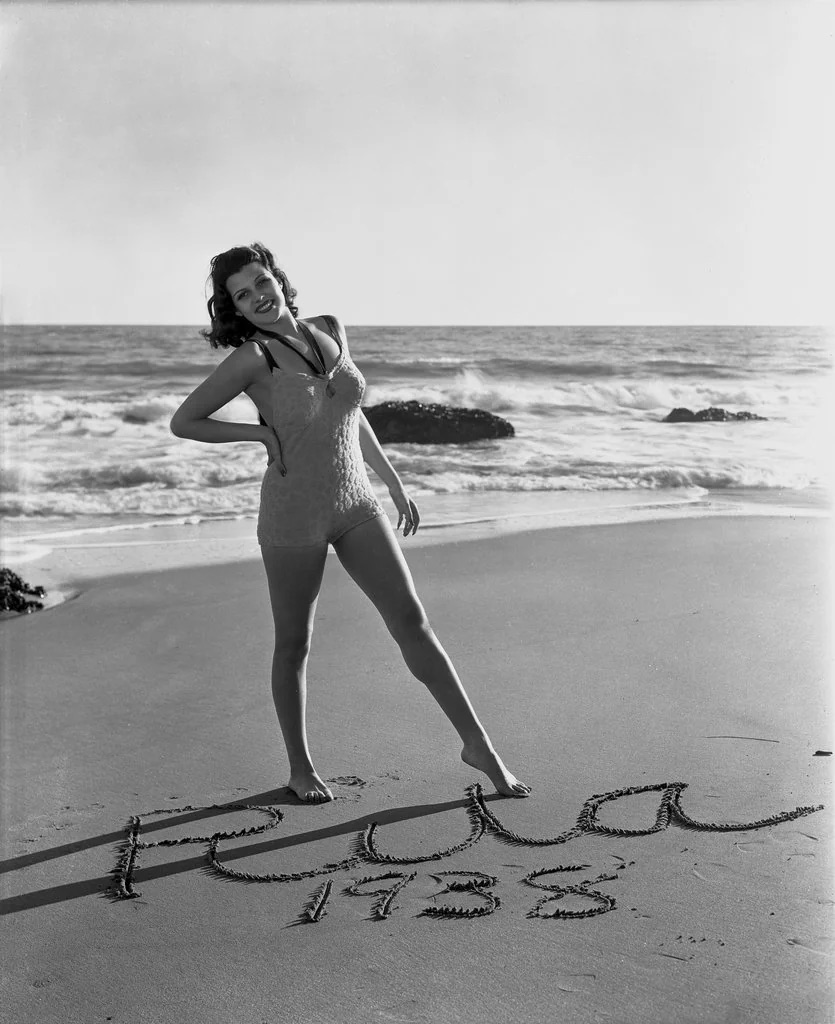
Hayworth’s journey to stardom began as a dancer. She inherited her talent from her father, a Spanish-born dancer, and performed from an early age. Her early career took off when she was signed by Fox Film Corporation, but it wasn’t until she joined Columbia Pictures that she underwent the transformation that would make her a legend. Under the careful eye of studio head Harry Cohn, she endured a dramatic reinvention: her hairline was raised, her naturally dark locks dyed auburn, and her name changed to “Rita Hayworth.” This manufactured glamour turned her into the quintessential Hollywood beauty.
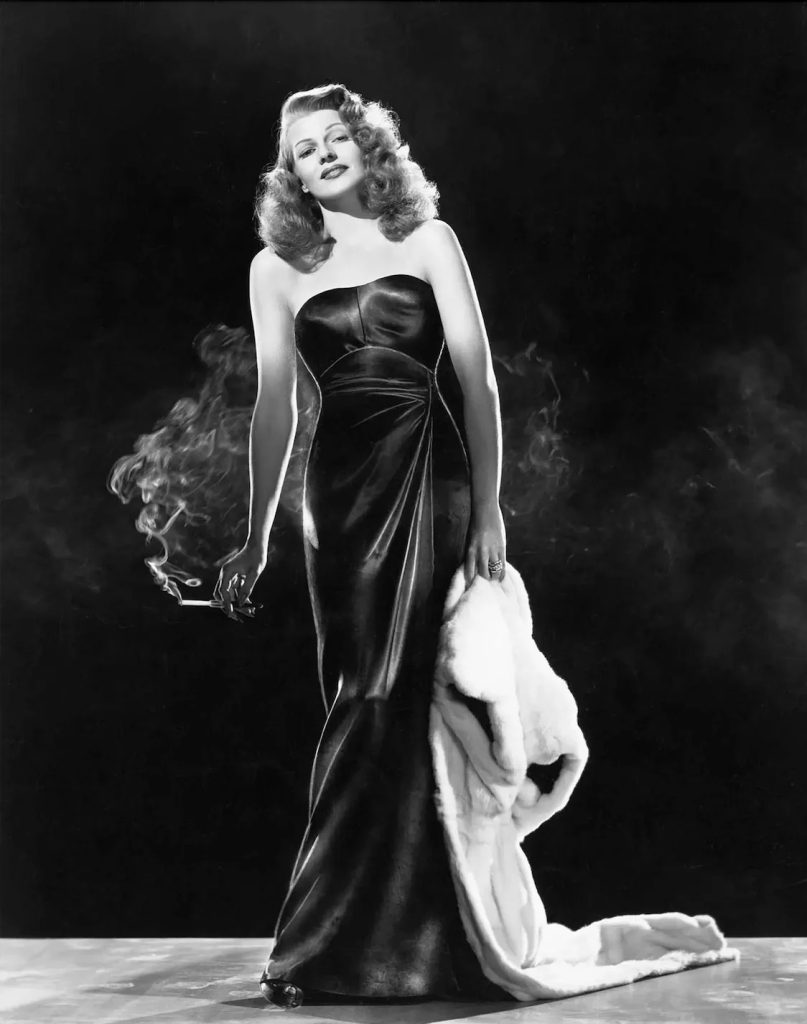
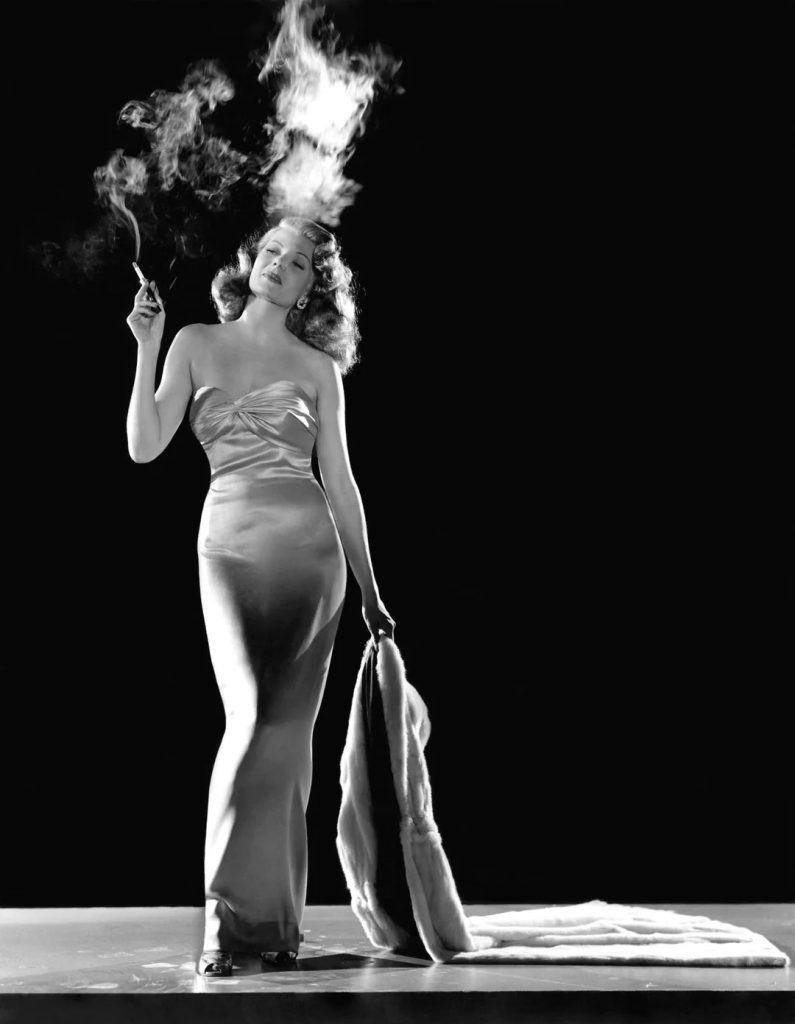
Her breakout came with Only Angels Have Wings (1939), but it was the 1946 film Gilda that cemented her image as the ultimate femme fatale. Her performance of “Put the Blame on Mame” in a slinky black dress remains one of the most unforgettable scenes in cinema history. That role didn’t just make her a superstar—it etched her into cultural memory as the embodiment of seduction and sophistication.
Despite the power of her onscreen persona, Hayworth’s offscreen life was far more complicated. She was married five times, including to actor Orson Welles and Prince Aly Khan, one of the world’s richest men. While these relationships brought her fame and notoriety, they also reflected a life filled with turbulence and heartbreak. Hayworth herself once confessed the dissonance between her screen image and her reality, famously saying: “Men go to bed with Gilda, but wake up with me.”
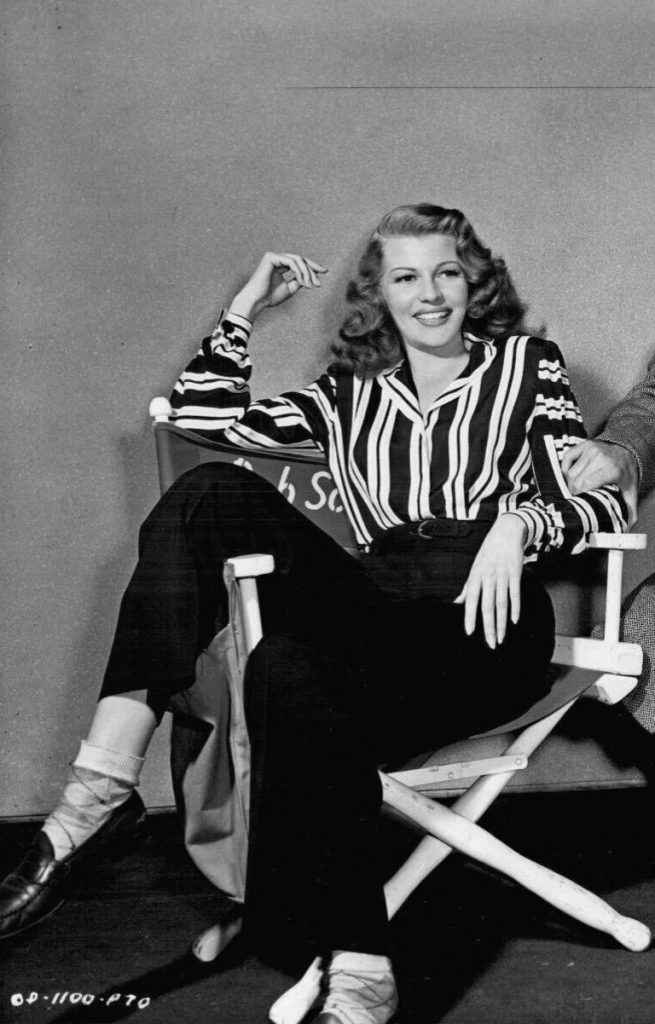
Beyond her pin-up image, Hayworth was a remarkably versatile performer. She danced alongside Fred Astaire and Gene Kelly in lavish musicals, proving her skill as both an actress and a dancer. Later, she transitioned into more dramatic roles, showing a depth and vulnerability that resonated with audiences. This adaptability ensured her career spanned decades, making her more than just a fleeting starlet.
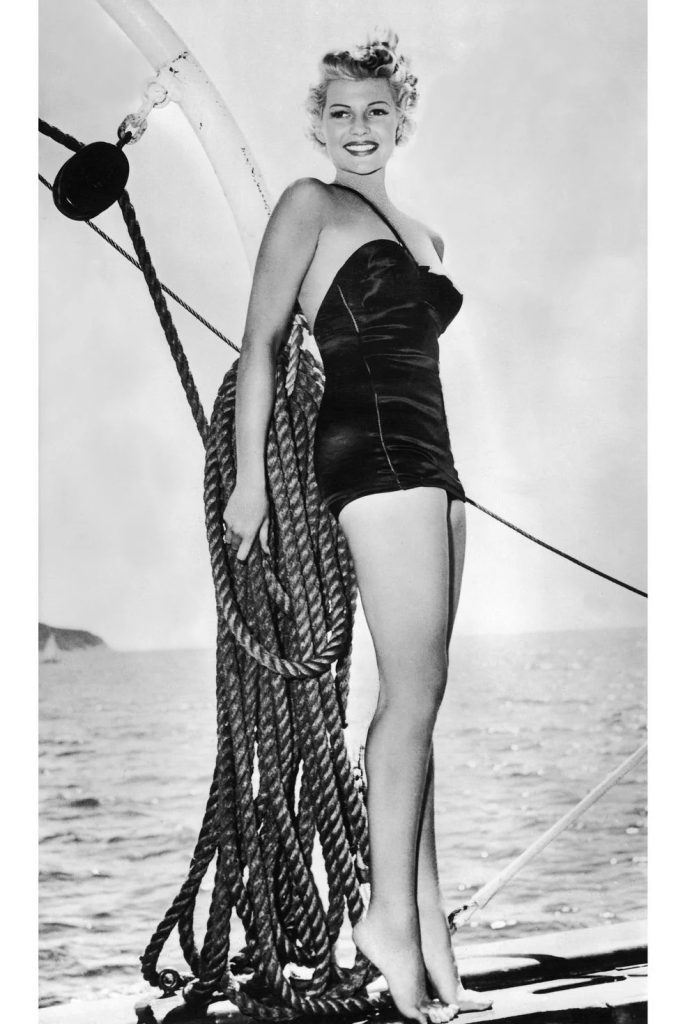
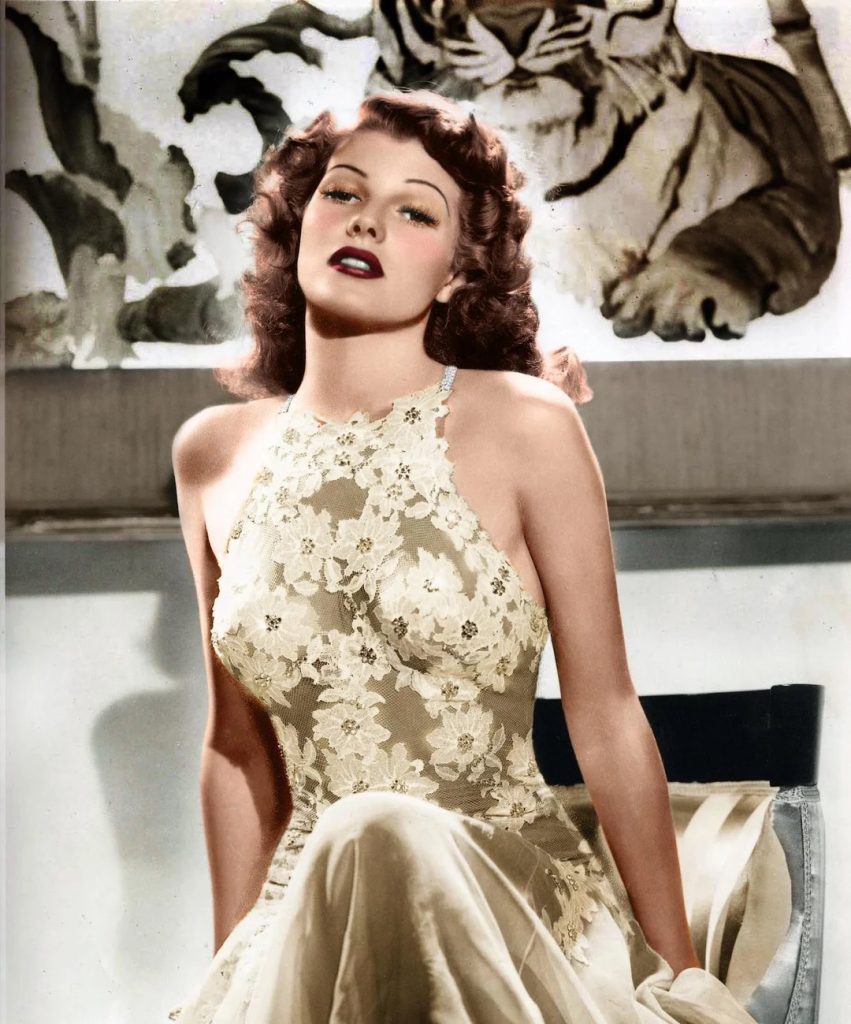
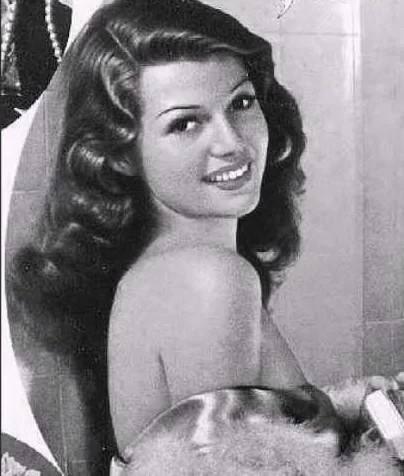
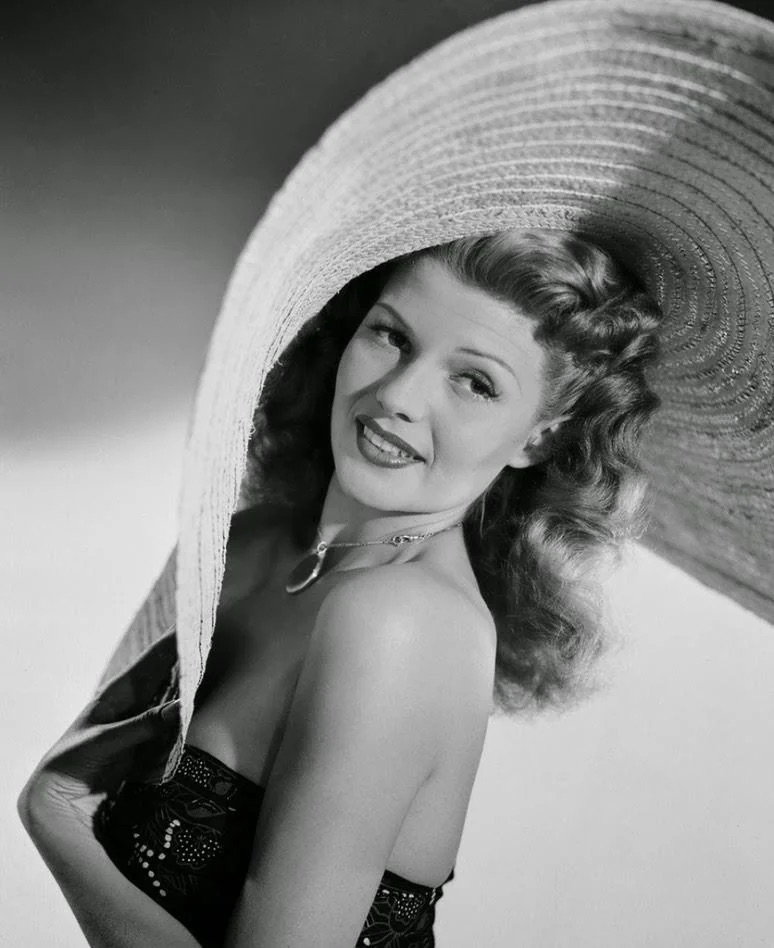
Her influence extended beyond Hollywood screens. During World War II, her iconic pin-up photos were plastered on barracks walls and carried by soldiers overseas, earning her the title of the “Love Goddess” of her era. She became not only a movie star but also a symbol of hope, beauty, and escape during a time of global hardship.

In her later years, however, Hayworth faced a tragic struggle. She was diagnosed with Alzheimer’s disease at a time when the illness was poorly understood and rarely spoken about. Her diagnosis helped bring global attention to the disease, making her one of the first public figures associated with Alzheimer’s awareness. She passed away on May 14, 1987, leaving behind a legacy both glittering and deeply human.
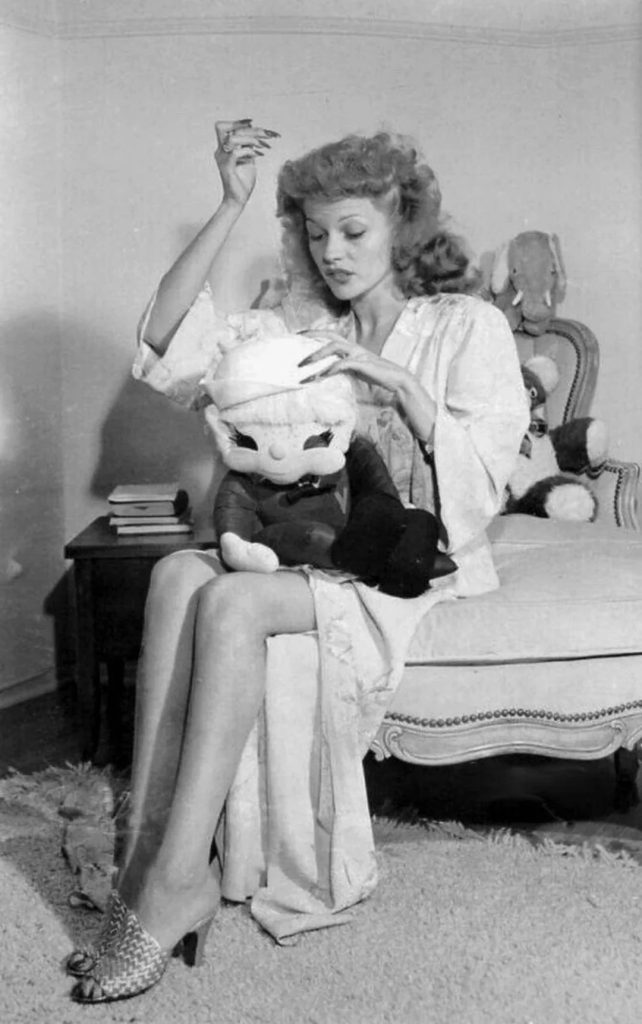
Today, Rita Hayworth remains a timeless symbol of Old Hollywood glamour. Her image—fiery red hair, sultry gaze, and magnetic presence—continues to inspire fashion, film, and art. More than a star, she was a woman who embodied the contradictions of fame: adored by millions, yet struggling privately with the weight of being an icon.
Rita Hayworth’s life story is one of reinvention, resilience, and unforgettable beauty. Decades after her passing, she still dazzles as the face of an era when Hollywood truly was golden.