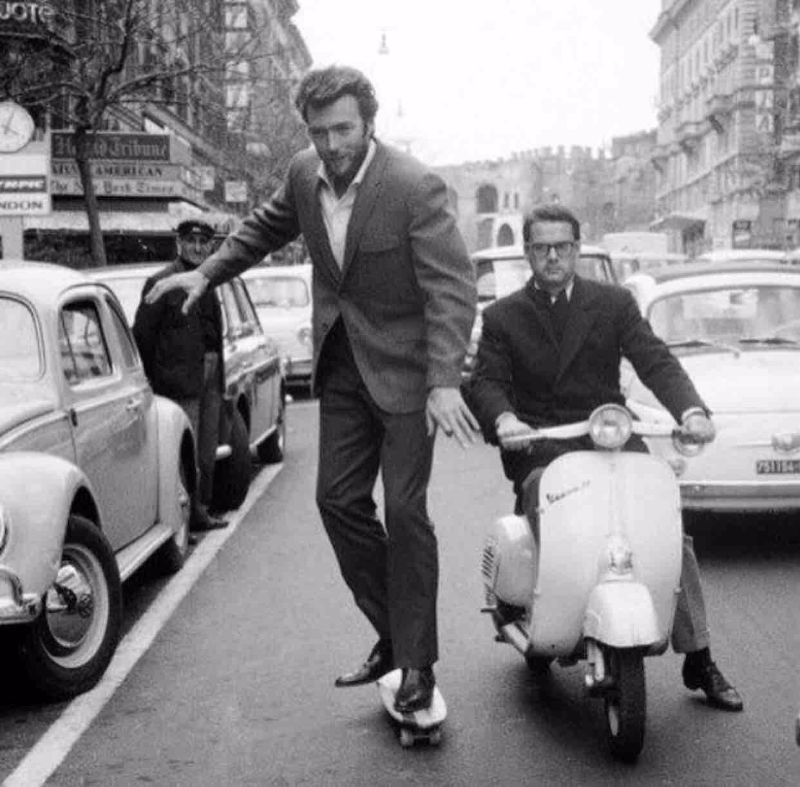
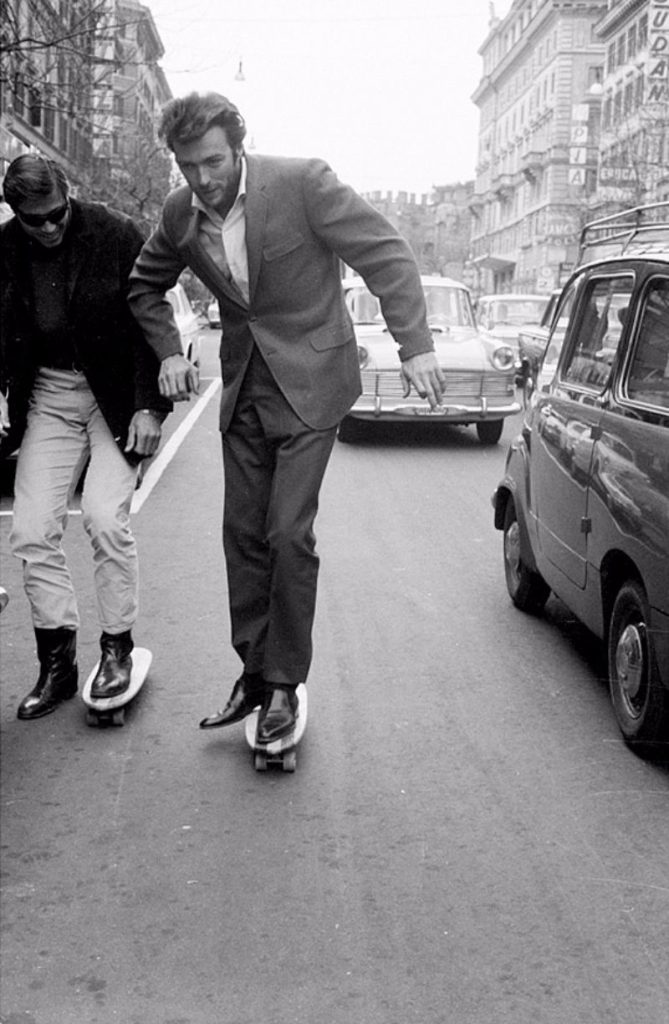
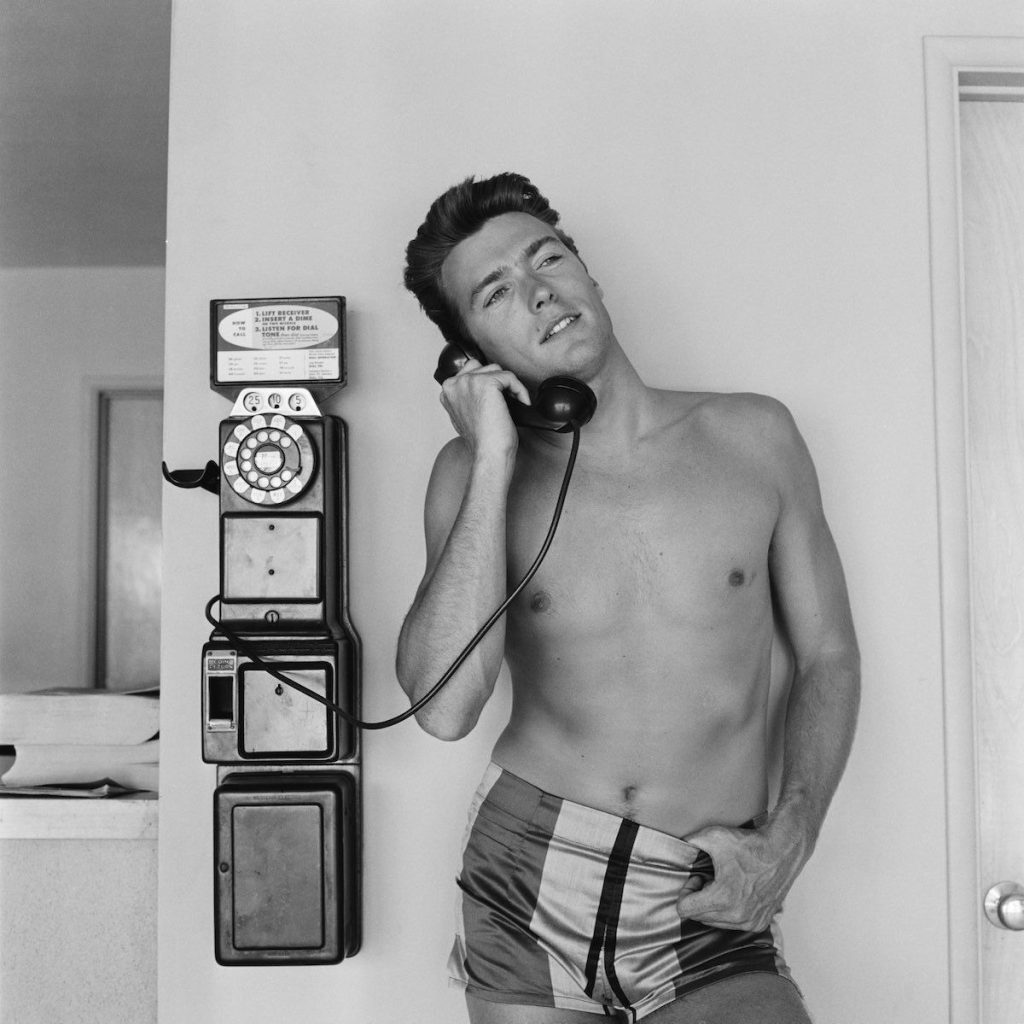
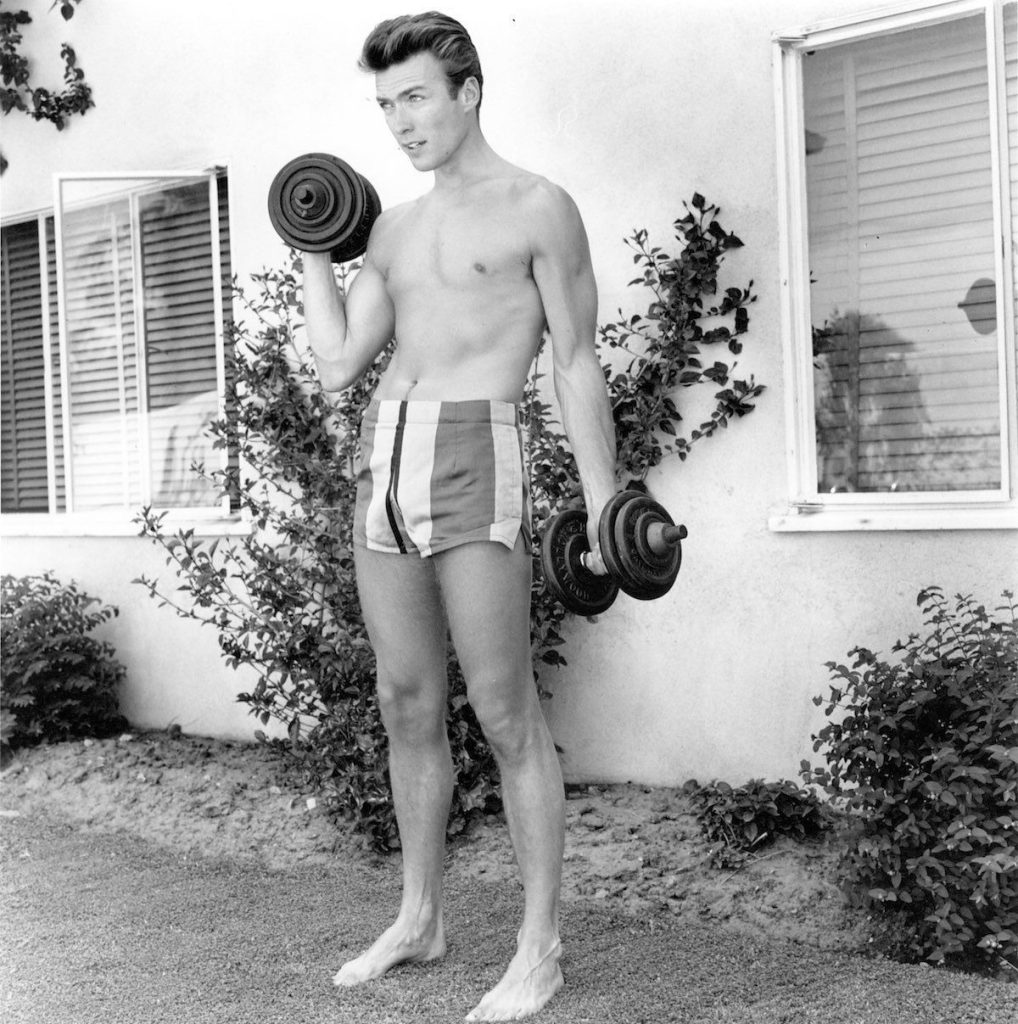
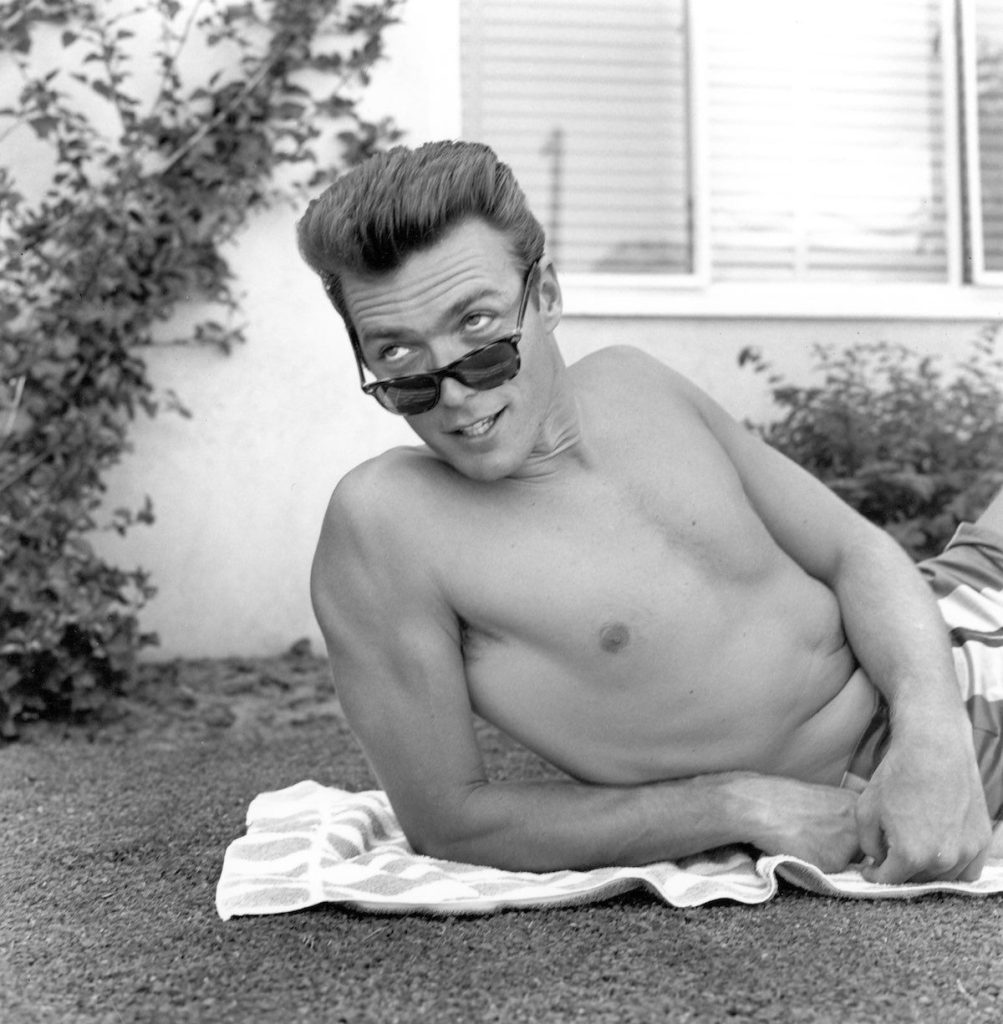
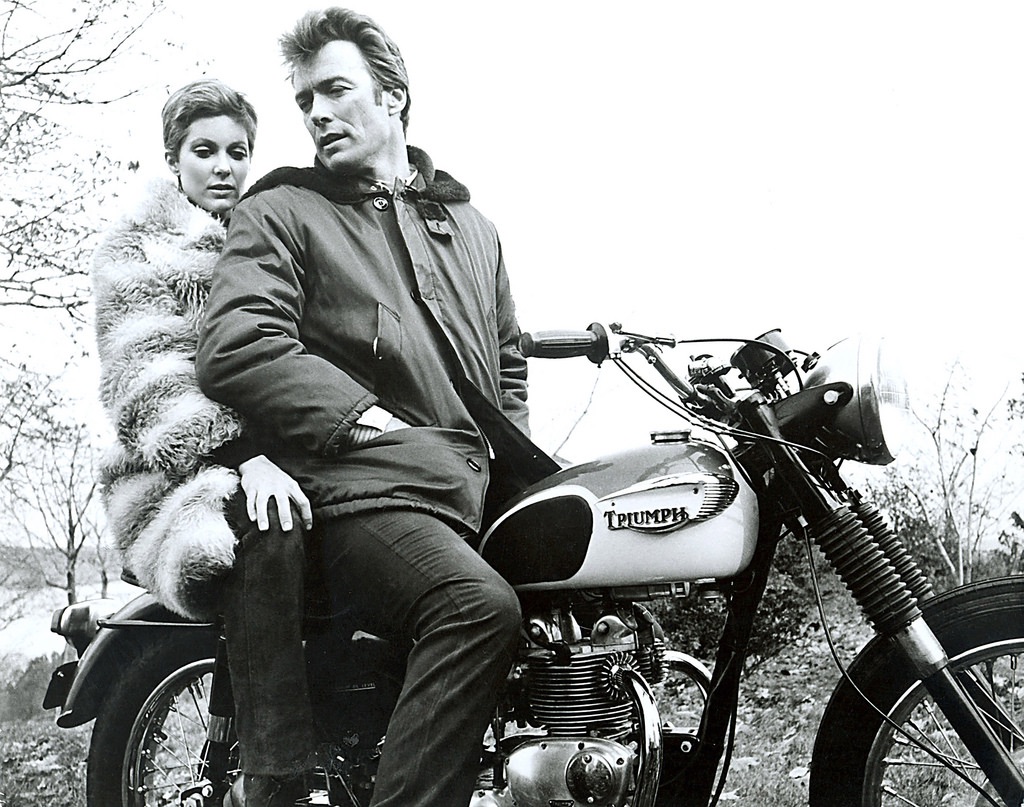
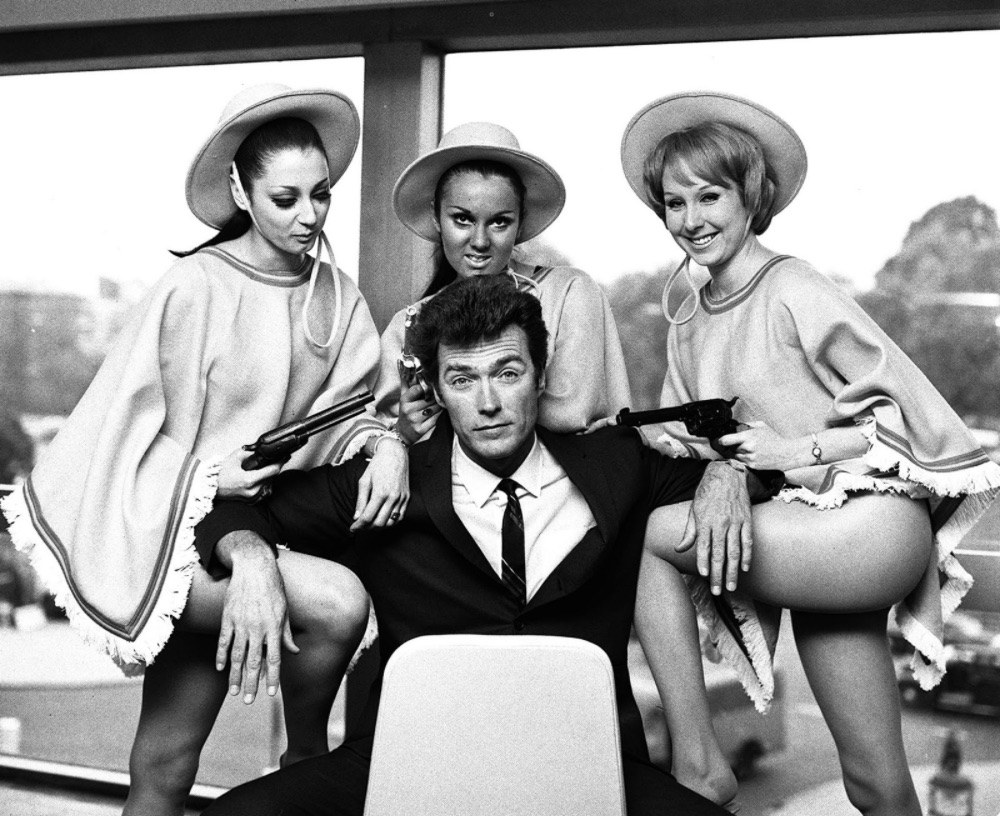
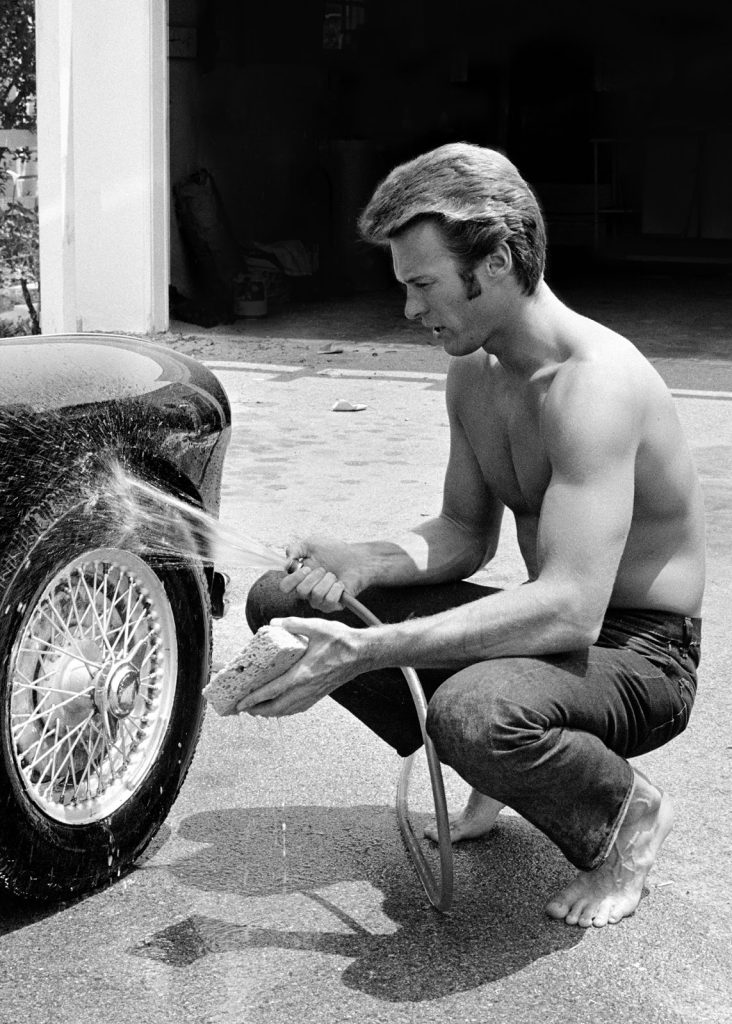
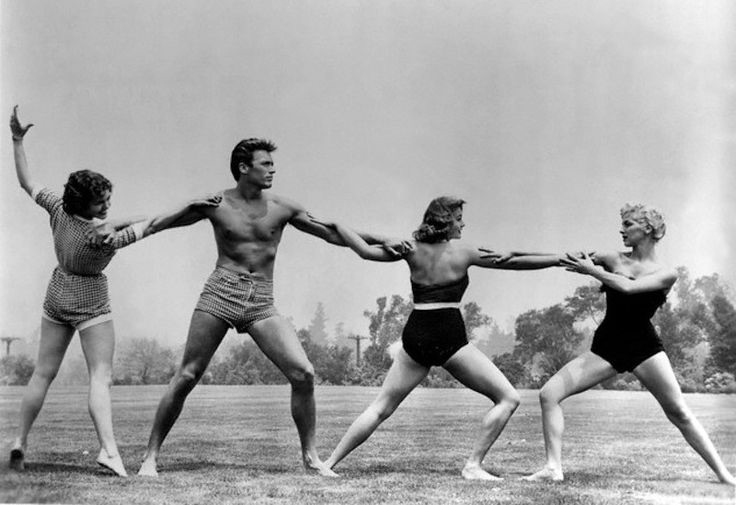
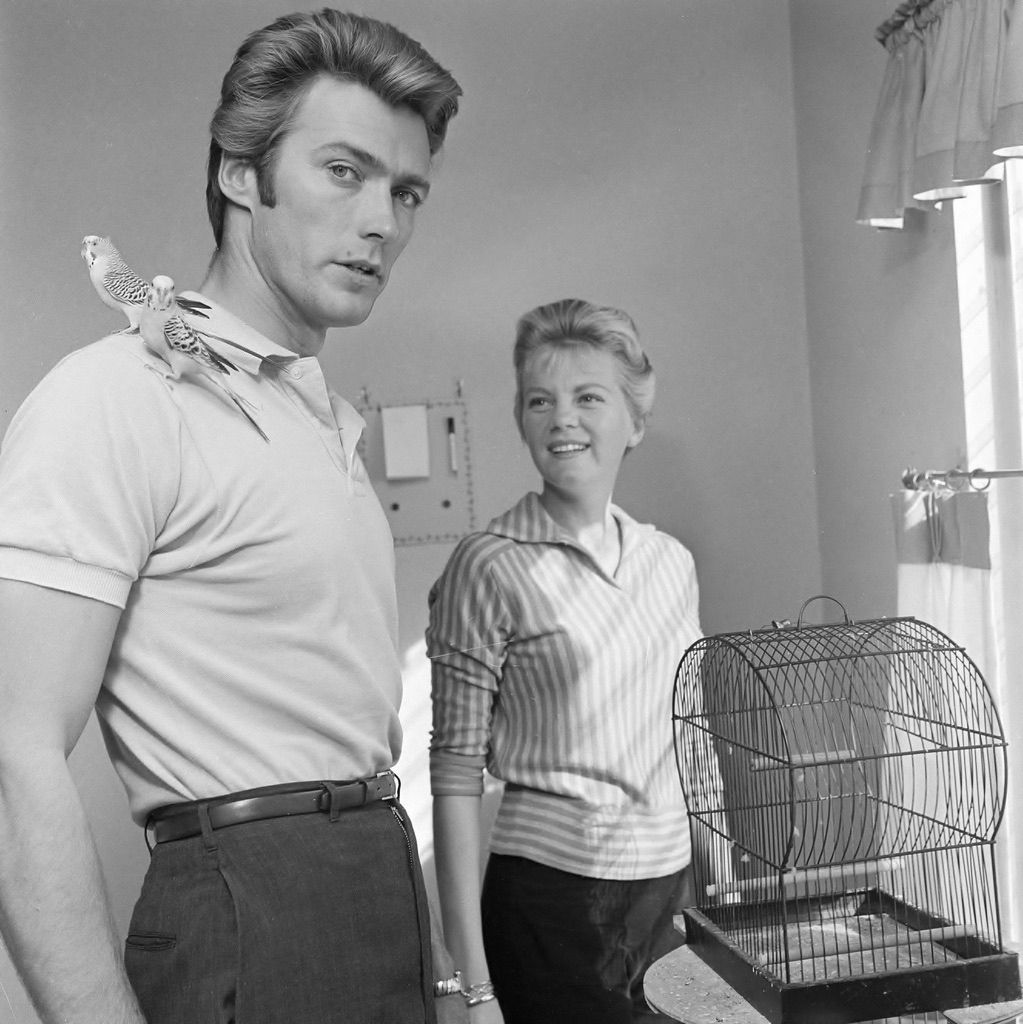
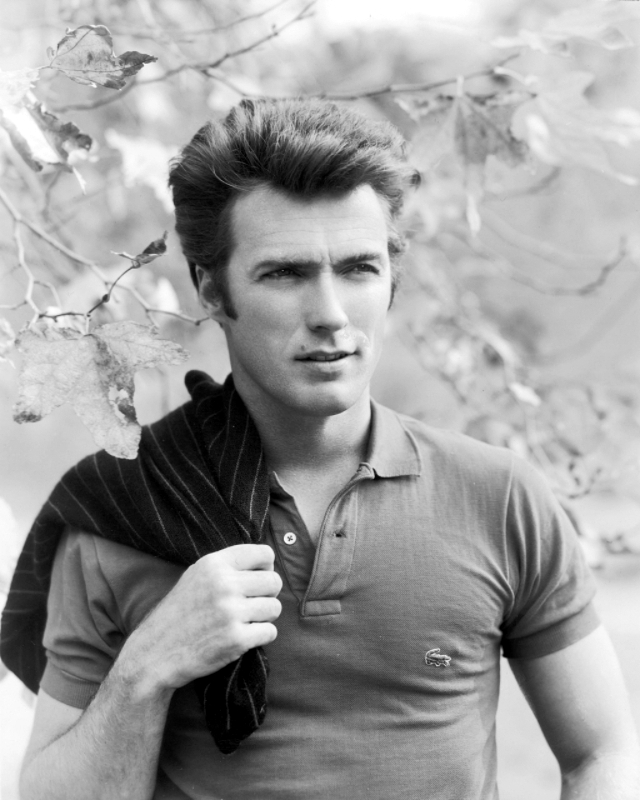
Vintage photos of a young Clint Eastwood in the 1960s and 1970s
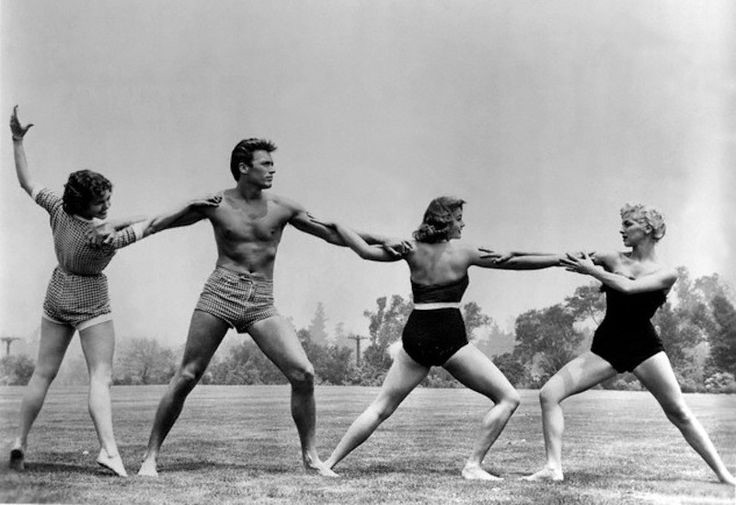
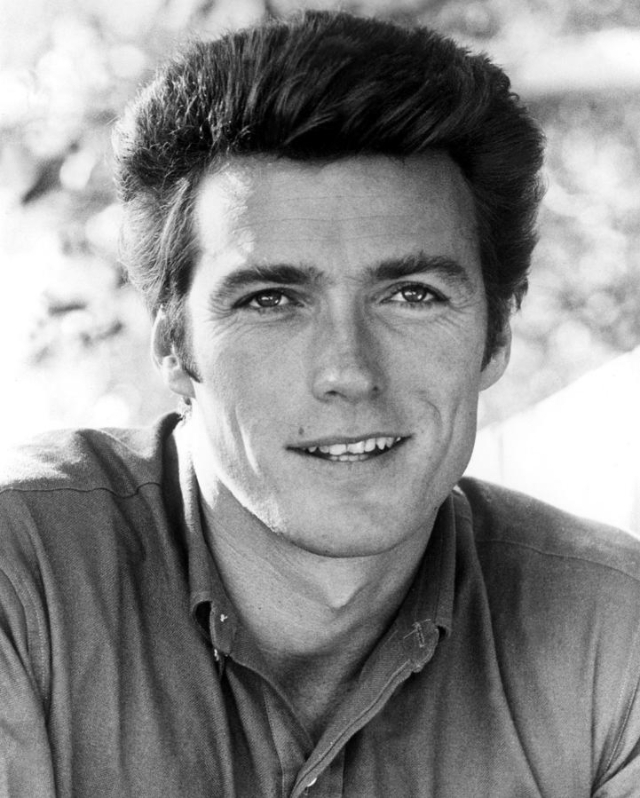
Clint Eastwood, in full Clinton Eastwood, Jr., (born May 31, 1930, San Francisco, California, U.S.), American motion-picture actor who emerged as one of the most popular Hollywood stars in the 1960s and went on to become a prolific and respected director-producer. His roles and charisma made Eastwood an enduring cultural icon of masculinity
During the Great Depression, Eastwood moved with his family a number of times before they finally settled in Piedmont, California, in 1940.
He was drafted during the Korean War and stationed in California. Following his discharge from the army in 1953, Eastwood moved to Hollywood.
A screen test with Universal in 1954 netted him a 40-week contract, but, after one renewal and a series of bit parts in such movies as Tarantula (1955) and Revenge of the Creature (1955), his option was dropped.
He appeared in several TV series before he got his big break in 1959 by being cast as Rowdy Yates in the popular TV western Rawhide (1959–65).

Eastwood achieved international stardom during this same period when he played The Man with No Name, a laconic, fearless gunfighter whose stoicism masks his brutality.
These were three Italian westerns (popularly known as “spaghetti westerns”) directed by Sergio Leone: Per un pugno di dollari (1964; A Fistful of Dollars), Per qualche dollari in più (1965; For a Few Dollars More), and Il buono, il brutto, il cattivo (1966; The Good, the Bad and the Ugly).
In 1967 the three films played in the United States and were immediate commercial successes, establishing Eastwood as a box-office star.
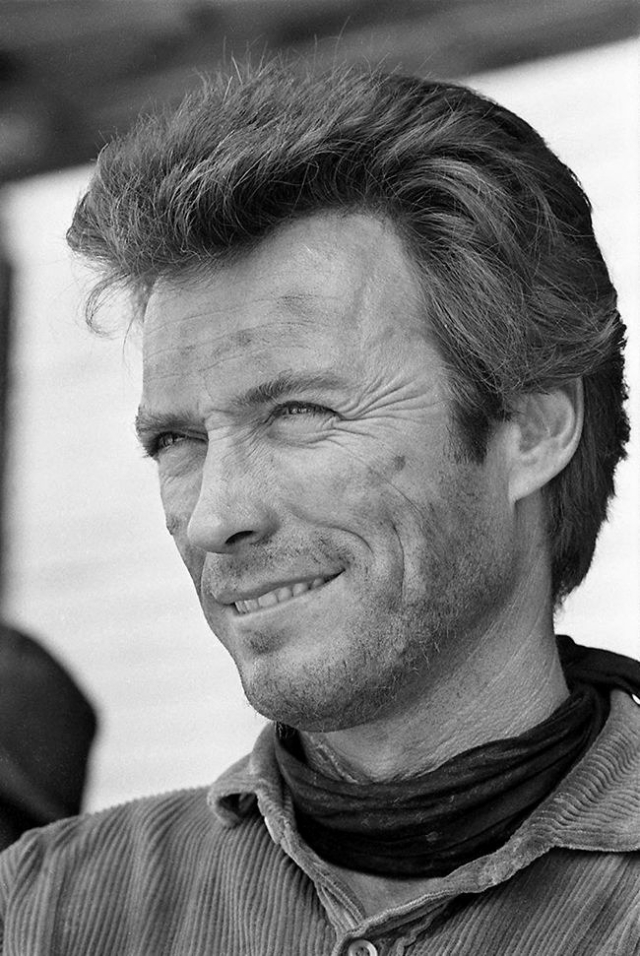
For Eastwood’s first American western,Hang ’Em High (1968)—Ted Post’s expert imitation of the Leone formula, enlivened by a superior group of character actors—he formed his own production company, Malpaso.
He also worked with Don Siegel on the popular police story Coogan’s Bluff (1968); it was Siegel who taught him most of what he needed to know about directing, a debt Eastwood often acknowledged.
He also worked with Siegel on the western Two Mules for Sister Sara (1970), the psychological Civil War drama The Beguiled(1971), and the prison-break film Escape from Alcatraz (1979).
Their best-known collaboration was Dirty Harry (1971), in which Eastwood first portrayed the ruthlessly effective police inspector Harry Callahan.
The film proved to be one of Eastwood’s most successful, spawning four sequels and establishing the no-nonsense character Dirty Harry—known for such catchphrases as “Go ahead, make my day”—as a cinema icon.