White House blew past legal concerns in deadly strikes on drug boats
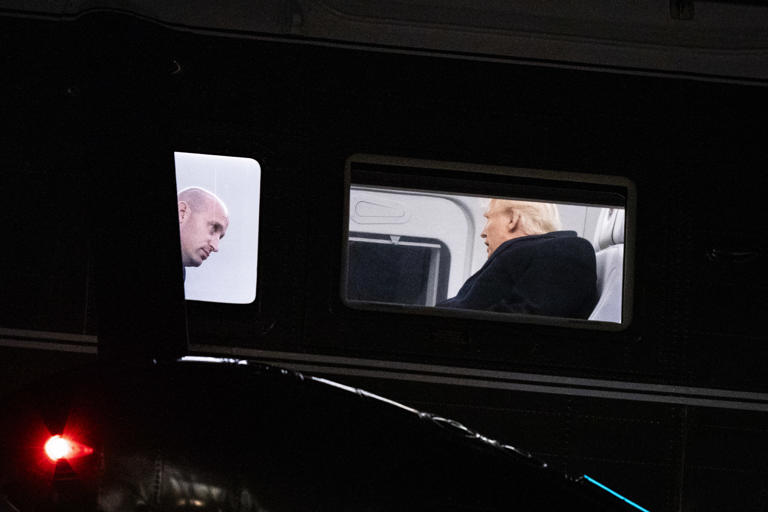
From the earliest days of his presidency, Donald Trump and his top aides pushed to authorize lethal strikes on drug traffickers operating throughout the Western Hemisphere — a plan that raised deep legal concerns within the U.S. government. Over the past year, the administration repeatedly bypassed or removed lawyers who questioned whether such actions were lawful, according to multiple current and former officials familiar with internal debates.
A Bold and Controversial Strategy
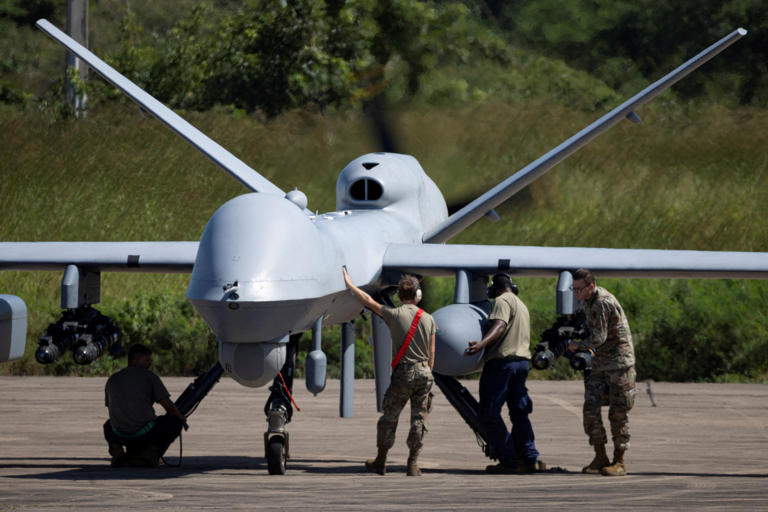
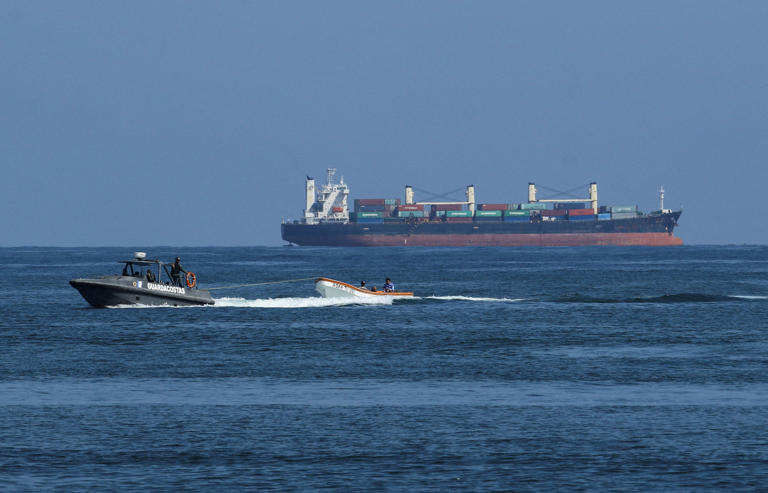
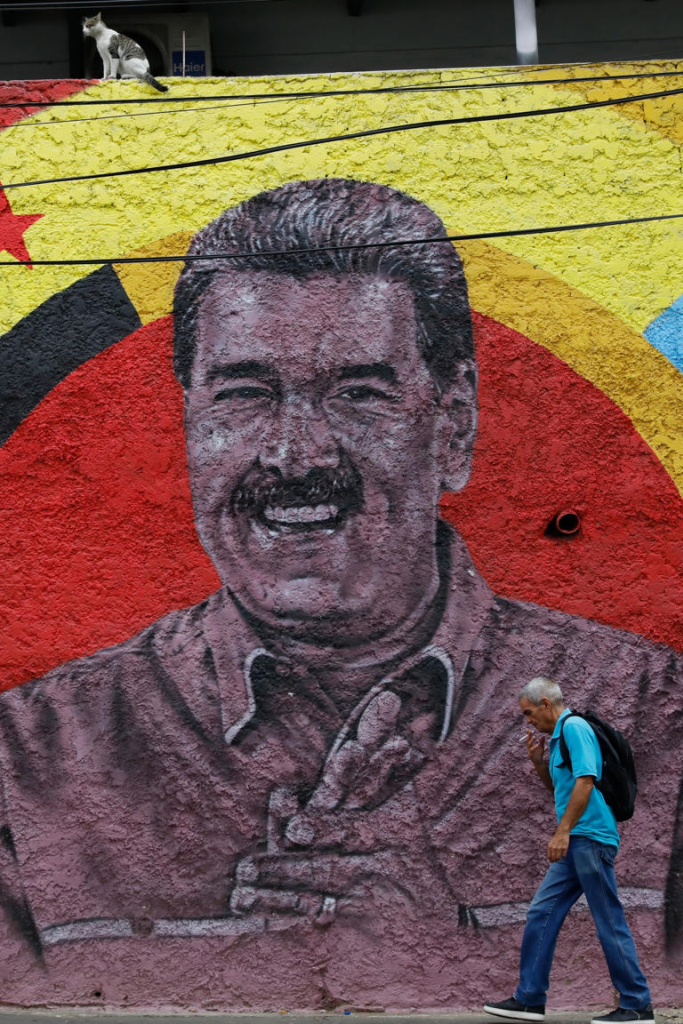
As Trump weighed military options against Venezuela’s Nicolás Maduro and ordered U.S. warships to the Caribbean and Pacific, his administration also explored using unprecedented force against drug cartels. The Pentagon was already conducting deadly attacks on small boats allegedly transporting narcotics, deploying ships, aircraft, and troops under the mission dubbed Operation Southern Spear — reportedly resulting in over 80 deaths in 21 strikes.
According to several sources, Trump and his senior adviser Stephen Miller initially proposed using the CIA to carry out covert strikes. Plans were drawn up for a presidential authorization known as a “finding,” which would give the spy agency power to conduct lethal operations under the guise of counter-narcotics enforcement.
However, lawyers across the intelligence community and other departments pushed back. They questioned whether killing civilian traffickers — many of them low-level smugglers — could be legally justified when these individuals posed no direct threat to Americans. “There is no actual threat justifying self-defense,” said one person involved in the discussions. “These aren’t organized armed groups trying to kill Americans.”
From Covert Action to Military Campaign
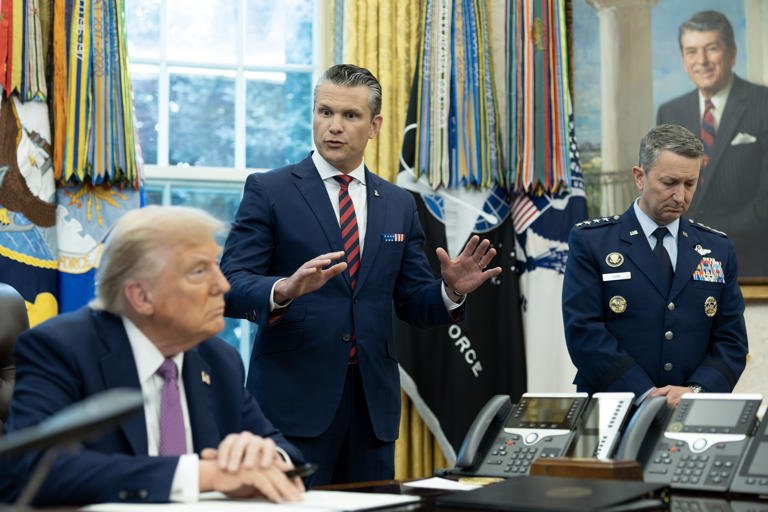
Despite the resistance, Trump’s team pressed forward. When the CIA’s legal offices hesitated, the administration shifted the mission to the U.S. military. Officials then adopted a controversial legal rationale — claiming the United States was in a “non-international armed conflict” with designated “narcoterrorist organizations.” National security law experts, both inside and outside government, later dismissed that argument as unfounded.
By midsummer, the White House was considering not just maritime strikes but even more aggressive measures — including the potential seizure of Venezuelan oil fields and the capture of Maduro himself. “President Trump is prepared to use every element of American power,” said one senior official at the time, defending the operations as lawful and necessary to stop drugs “flooding into our country.”
Legal and Ethical Turmoil Inside the Government
Behind the scenes, the plan sparked turmoil within the National Security Council and the Pentagon. Lawyers who objected were reassigned or replaced amid a sweeping staff shake-up. Paul Ney, the Pentagon’s general counsel and one of those who had raised concerns, was among those dismissed. The NSC’s entire full-time legal staff was eventually gone.
The Justice Department’s Office of Legal Counsel later produced a secret memo providing justification for the strikes, arguing that lethal action against “narcoterrorists” served a vital national interest and did not require congressional authorization. Pentagon spokesperson Sean Parnell insisted the operations “are lawful under both U.S. and international law.”
Still, many within the defense establishment remained uneasy. “There’s no evidence these small boats qualify as legitimate operational targets,” said one former senior official. “This is not a war zone.”
The CIA’s Reluctant Role
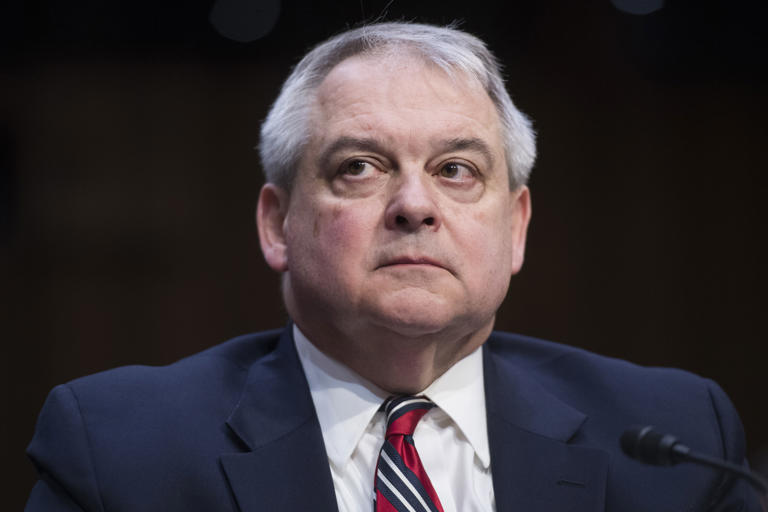
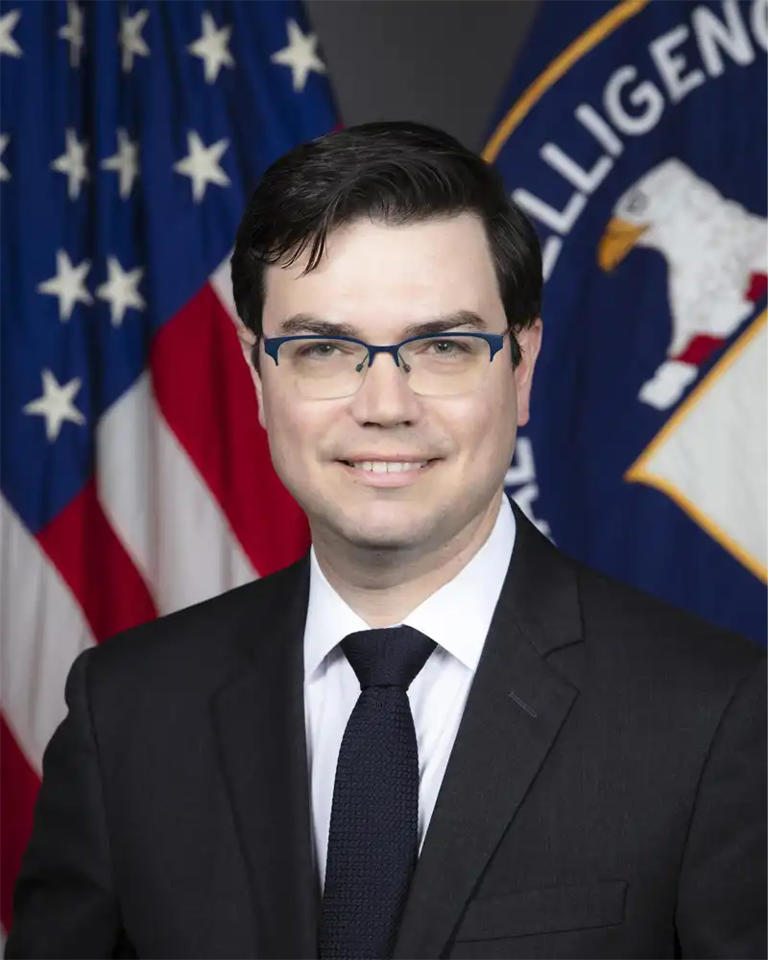
By late September, CIA Director John Ratcliffe appointed his deputy, Michael Ellis — a former White House lawyer — as the agency’s acting general counsel. Ellis reportedly supported the finding authorizing CIA involvement in lethal operations. In October, Trump publicly acknowledged signing the covert authorization, breaking the usual secrecy surrounding such actions.
Inside the agency, however, concern grew. Some CIA officers feared a repeat of past scandals like Iran-Contra or post‑9/11 rendition programs. “Is it legal just to kill the guy if he’s not threatening you?” one former official asked. “This isn’t counterterrorism — it’s something else.”
Mounting Doubts and Warnings
The Pentagon’s own officers expressed anxiety about their potential legal exposure. Some demanded written confirmation that the strikes were lawful before participating. None was provided. Meanwhile, several Democratic lawmakers — all veterans or intelligence professionals — released a viral video urging military and intelligence personnel to refuse illegal orders. “No one has to carry out orders that violate the law or our Constitution,” they said.
Trump quickly fired back on Truth Social, calling their statement “dangerous to our country.” Within an hour, he accused the lawmakers of “SEDITIOUS BEHAVIOR, punishable by DEATH!”
A High-Stakes Gamble
For Trump, the campaign against “narcoterrorists” represents an extension of his hard-line stance on drugs and border security. For critics — including many within the intelligence and military communities — it’s a dangerous overreach that tests the boundaries of U.S. and international law.
As one former official put it, “There’s a difference between taking out a terrorist mastermind and sinking a fishing boat full of smugglers. The question isn’t whether we can do it — it’s whether we should.”







Post Comment