Why James Patterson Believes Marilyn Monroe Was Murdered
Bestselling author James Patterson has a chilling theory about one of Hollywood’s most haunting mysteries — the death of Marilyn Monroe.
The 78-year-old crime writer, whose upcoming autofiction The Last Days of Marilyn Monroe: A True Crime Thriller explores the final weeks of the legendary star, believes Monroe’s death was no accident. According to Patterson, the actress may have been murdered because of her proximity to some of the most powerful men of her time — President John F. Kennedy, Senator Robert F. Kennedy, and Frank Sinatra.
“I think she was treading in very dangerous waters,” Patterson told The Hollywood Reporter. “They told her stuff, and she kept track of it. She had information that was kind of dangerous.”
The Dangerous Circles Marilyn Moved In
Patterson, who co-wrote the novel with Imogen Edwards-Jones, said their research uncovered new and unsettling details about the star’s final days. While the book is labeled as a work of fiction in fine print, Patterson insists that many of its events are based on real findings.
“A lot of people don’t know the story,” he explained. “There’s a lot of stuff I didn’t know. I didn’t know much about the death scene. The key is, a lot of people know about her a bit, but not that much — you’d be surprised.”
The author’s fascination with Monroe isn’t new. Her mysterious passing in August 1962, at just 36 years old, has puzzled the world for decades. Found lifeless in her Los Angeles home, she was said to have died of a barbiturate overdose. Empty medicine bottles lay beside her bed, and officials declared it a probable suicide.
Yet the whispers never stopped.
Decades of Doubt
Monroe’s entanglements with political powerhouses and entertainment elites only deepened suspicion. Could someone have wanted her silenced? By the 1980s, public pressure forced the Los Angeles County District Attorney’s Office to reopen the case. But even then, the conclusion remained uncertain.
“Based on the evidence available to us,” then–district attorney John Van de Kamp told the Los Angeles Times, “it appears that her death could have been a suicide or a result of an accidental drug overdose.”
The report noted that proving murder would require “a massive, in-place conspiracy” involving not just potential killers, but medical examiners, police officers, and even superiors in law enforcement. Investigators said they found “no credible evidence supporting a murder theory.”
Still, for those who see Monroe’s story as a tragedy woven with secrets, official explanations don’t settle the matter.
Marilyn’s Immortal Legacy
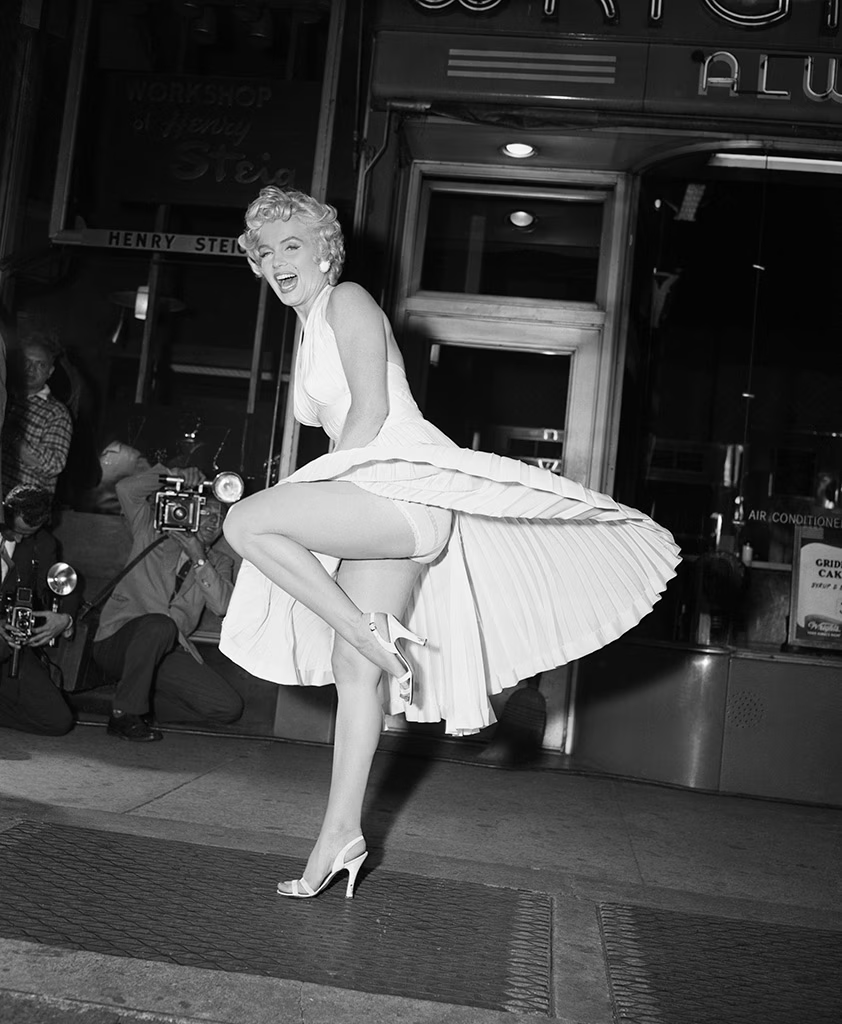
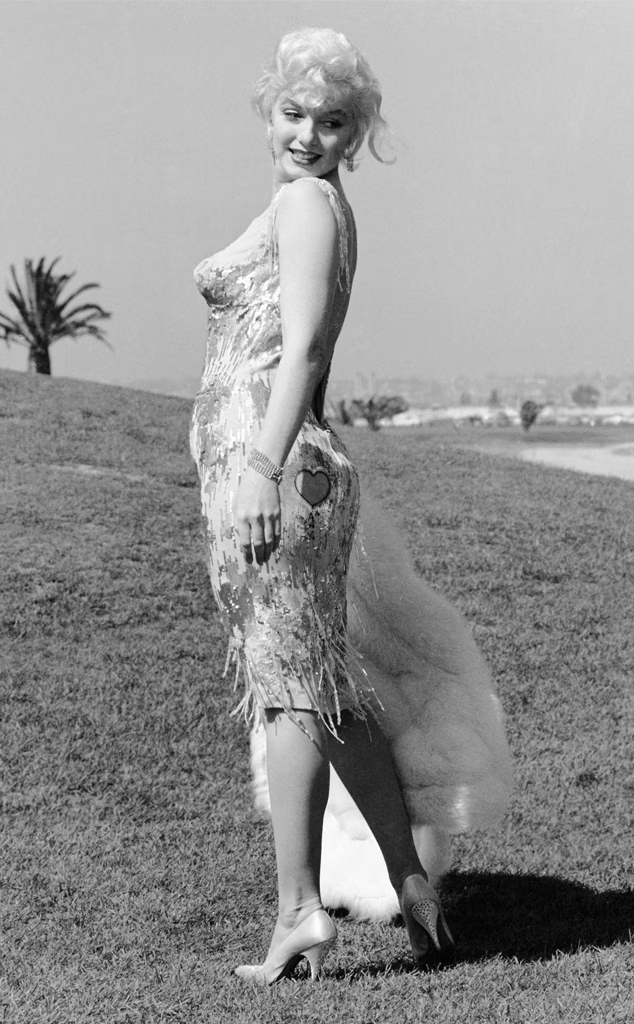
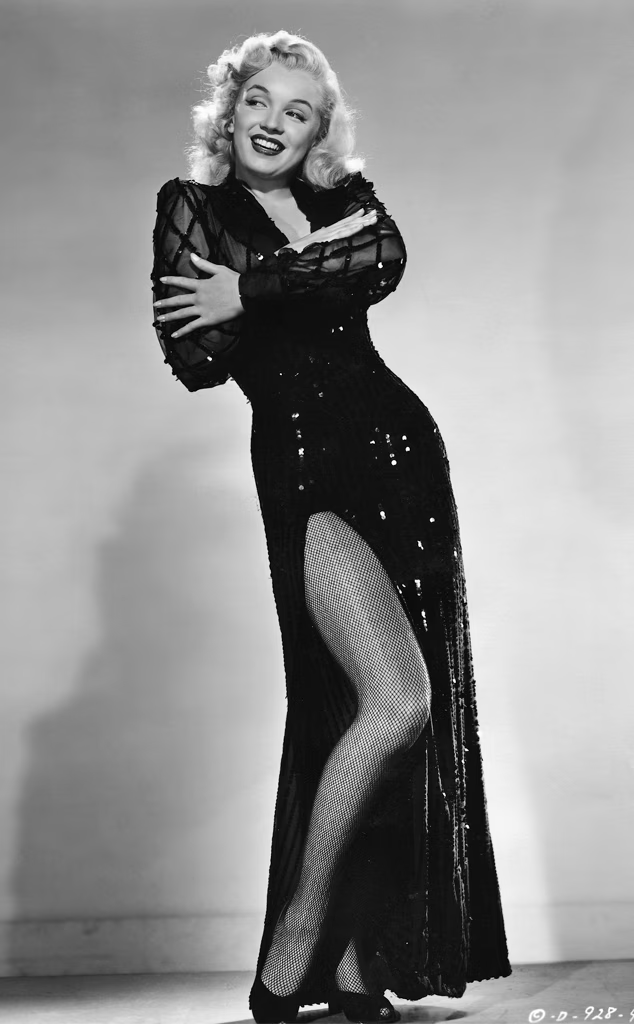
No other actress has remained as vividly alive in memory as Marilyn Monroe. Beyond her tragic ending, her image is eternal — the blonde bombshell in a halter dress, laughing over a subway grate in The Seven Year Itch.
Her fashion moments defined Hollywood glamour:
The dazzling white gown from The Seven Year Itch that floated around her in one of cinema’s most iconic shots.
The skin-tight, rhinestone-embroidered “naked” dress she wore to sing “Happy Birthday, Mr. President” to JFK at Madison Square Garden in 1962.
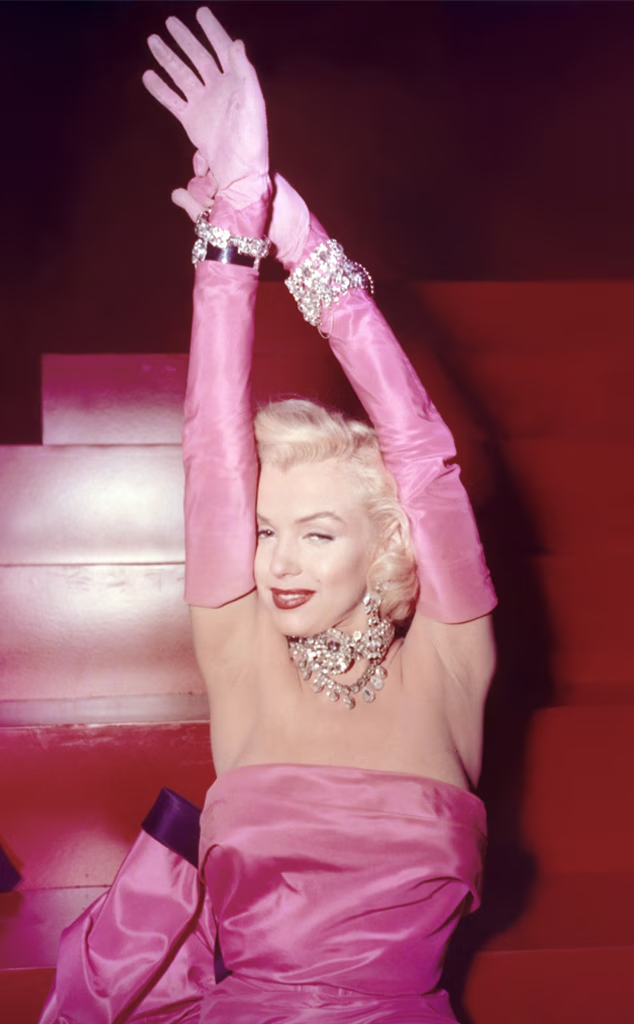
The hot pink satin gown from Gentlemen Prefer Blondes, forever immortalized in the number “Diamonds Are a Girl’s Best Friend”, later echoed by Madonna in Material Girl.
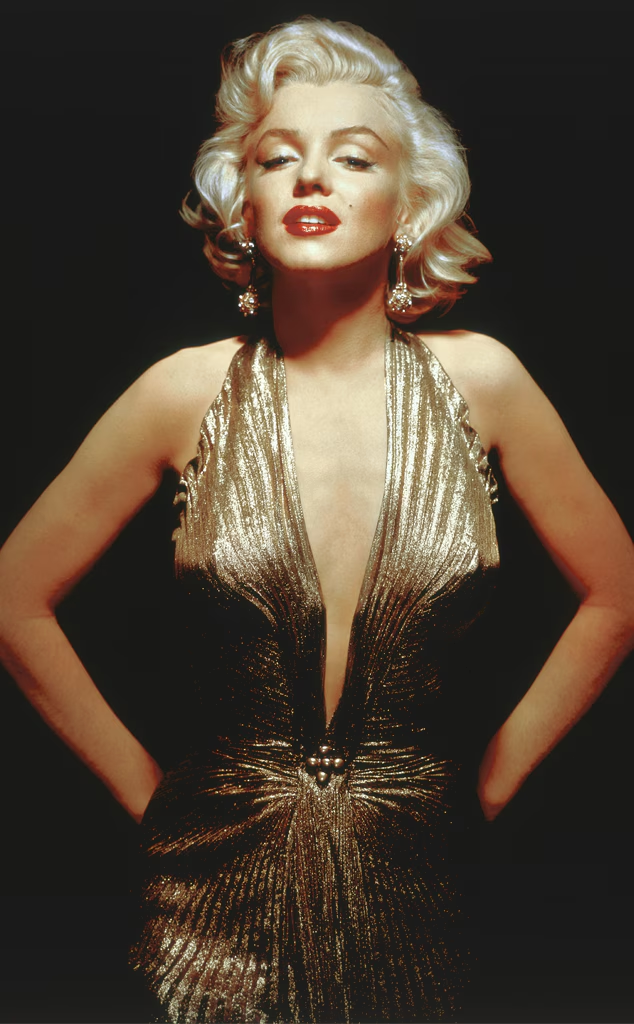
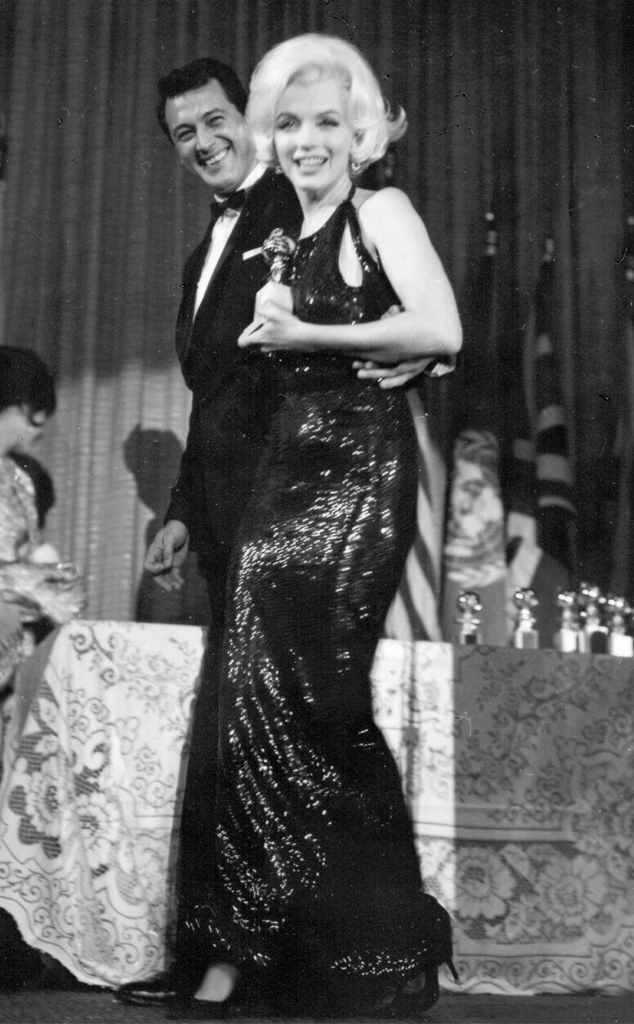
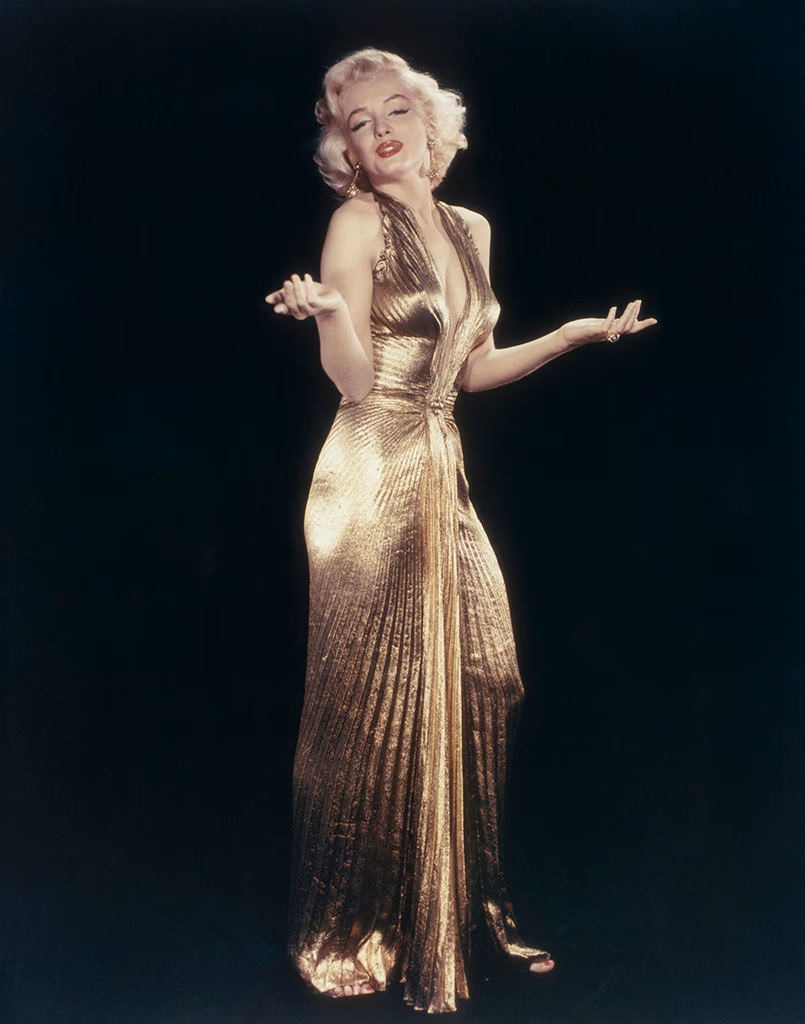
The shimmering gold lamé pleated gown that captured her allure in portraits, and the emerald sequined dress she wore to the 1962 Golden Globes.
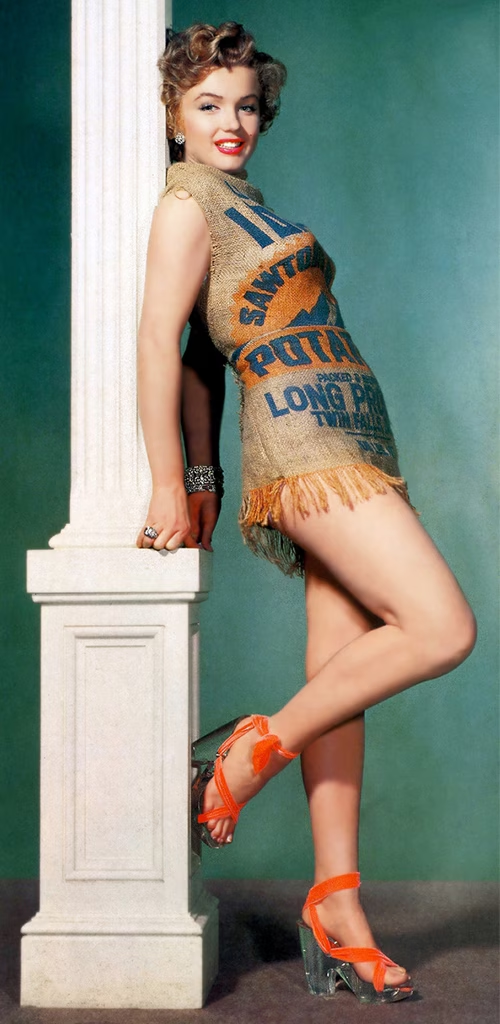
Even her playful “potato sack” dress — a tongue-in-cheek response to a critic who claimed she’d look better in one — became a sensation.
Each look told part of her story: luminous, sensual, untouchable, yet impossibly human.
Patterson’s Take
For Patterson, Monroe’s death is more than a mystery — it’s a parable of power, vulnerability, and betrayal. “She knew too much,” he suggests, portraying her not as a fragile victim but as a woman who dared to live close to danger.
The Last Days of Marilyn Monroe: A True Crime Thriller is both fiction and investigation, a blend of cold case and cautionary tale. “People think they know Marilyn,” Patterson said. “But she’s still got secrets. And they might be more dangerous than anyone ever imagined.”











Post Comment