With defence spending set to rise, Trump reassures NATO allies
- NATO to increase defence spending to 5% of GDP
- Trump reassures allies on NATO mutual defence commitment
- Spain disputes need to meet new spending target
- Trump to meet Zelenskiy
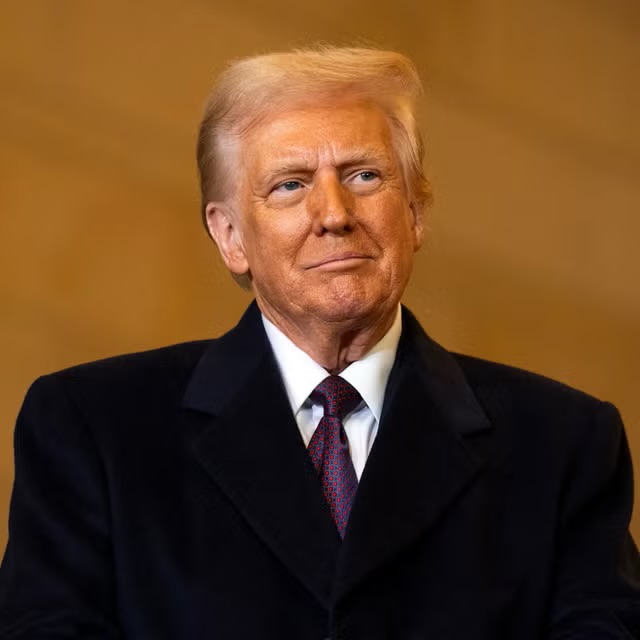
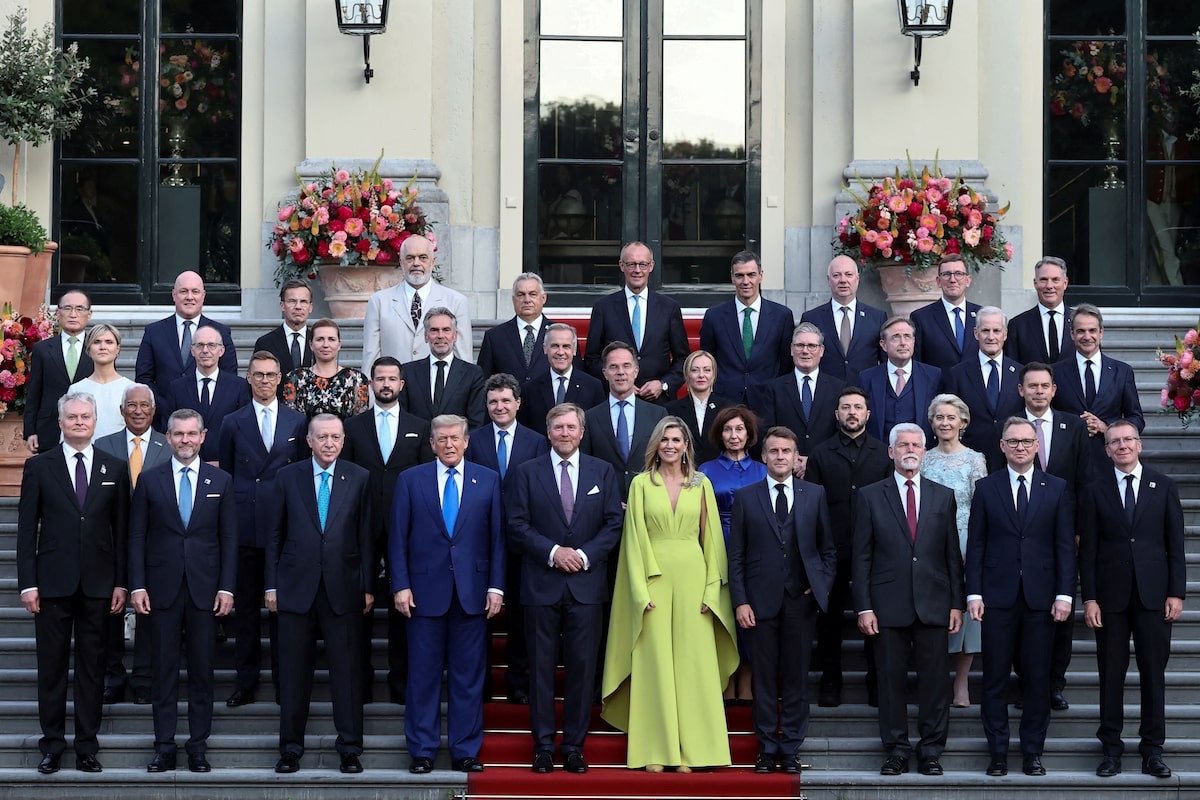
THE HAGUE, June 25 (Reuters) — NATO leaders were set to sign up on Wednesday to a big increase in defence spending at a short summit tailor-made for U.S. President Donald Trump, who struck a reassuring tone on his commitment to protecting fellow members of the alliance.
The summit is expected to endorse a higher defence spending goal of 5% of GDP — a response to a demand by Trump and to Europeans’ fears that Russia poses a growing threat to their security following the 2022 invasion of Ukraine.
NATO Secretary General Mark Rutte acknowledged that it was not easy for European countries and Canada to find the extra money but said it was vital to do so.
“There is absolute conviction with my colleagues at the table that, given this threat from the Russians, given the international security situation, there is no alternative,” he told reporters.
DEBATE OVER NATO MUTUAL DEFENCE PLEDGE
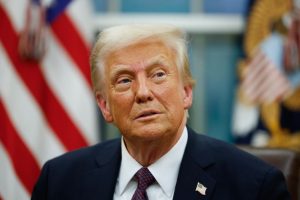
Speaking to media before the summit opened, Trump played down concerns over his commitment to mutual defence among allies as set out by Article 5 of NATO’s charter, saying: “We’re with them all the way.”
The debate has been fuelled by Trump’s own comments en route to the summit on Tuesday. Speaking to reporters aboard Air Force One, he had said there were “numerous definitions” of the clause.
Finnish President Alexander Stubb, whose countryborders Russia and joined NATO two years ago, said the alliance was evolving.
“I think we’re witnessing the birth of a new NATO, which means a more balanced NATO and a NATO which has more European responsibility,” he told reporters.
All NATO members have backed a statement enshrining the target, although Spain declared it does not need to meet the goal and can meet its commitments by spending much less.
Rutte disputes that but accepted a diplomatic fudge with Spanish Prime Minister Pedro Sanchez as part of his efforts to give Trump a diplomatic victory and make the summit go smoothly.
Spain said on Wednesday that it did not expect its stance to have any repercussions.