From Jailed Jihadist to the Oval Office: Syria’s President Caps Unlikely Rise With Trump Meeting
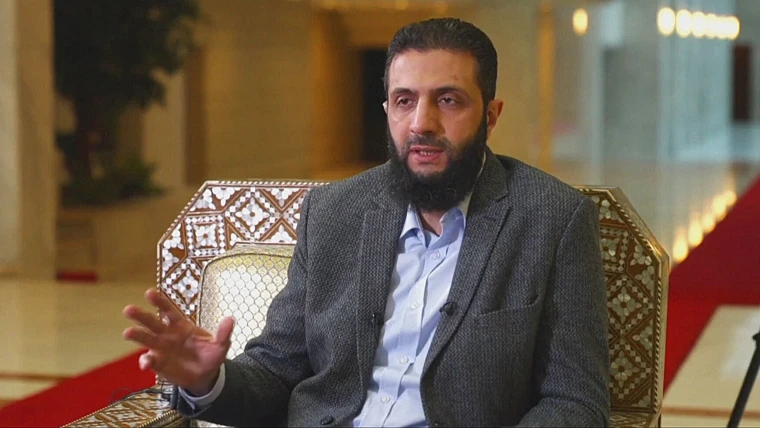
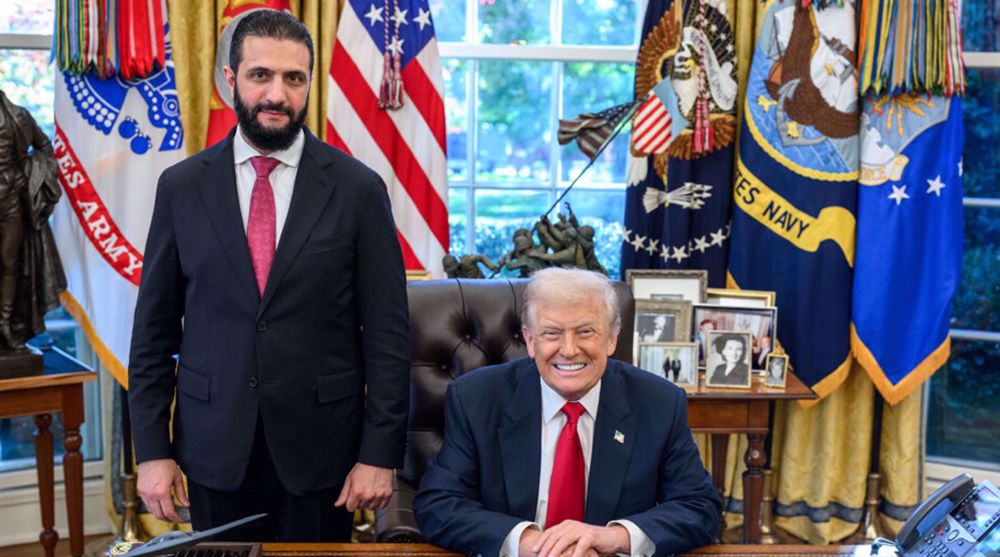
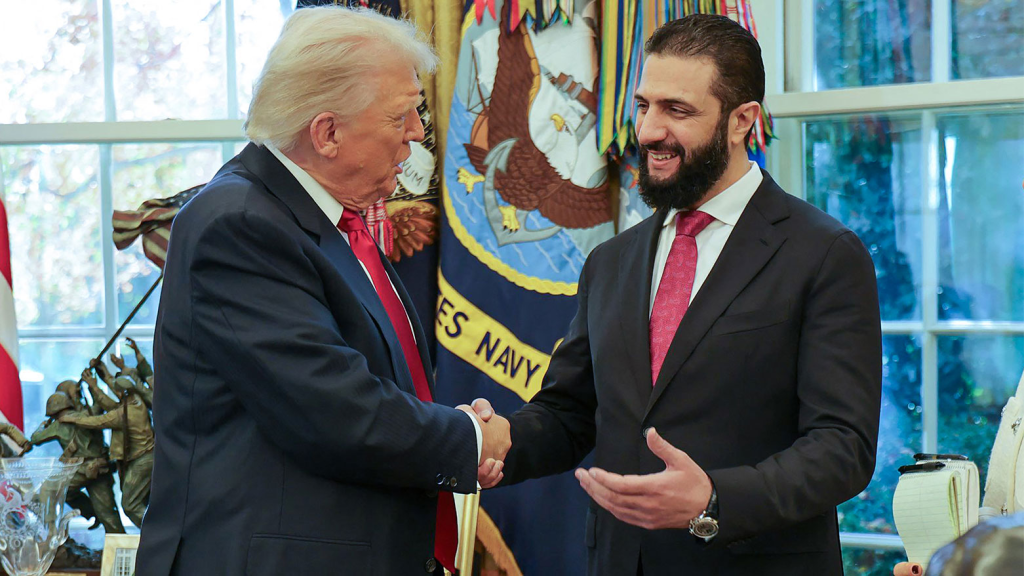
Interim President Ahmad al-Sharaa’s meeting with President Donald Trump marks a dramatic milestone in one of the most improbable political transformations in recent memory: from imprisoned jihadist to Syria’s head of state, now standing in the Oval Office.
A senior U.S. administration official told NBC News that al-Sharaa committed to joining the U.S.-led coalition to defeat ISIS — a major shift in Syria’s engagement with the West.
Just a year ago, such a visit would have been unthinkable. Al-Sharaa, formerly known by his nom de guerre Abu Mohammad al-Jolani, once led Hayat Tahrir al-Sham (HTS) and carried a $10 million U.S. bounty on his head. Now, after toppling the Assad regime, he has worked to shed his militant image and present himself as a leader focused on rebuilding a fractured nation.
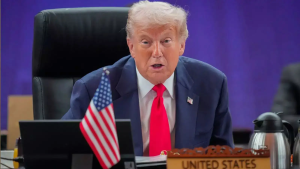
“It was an honor to spend time with Ahmed Hussein al-Sharaa,” Trump posted on Truth Social after their meeting, calling him a major advocate for Middle East peace. He added, “Having a stable and successful Syria is very important to all countries in the region.”
During the visit, the U.S. announced it would allow Syria to resume operations at its embassy in Washington, and diplomats will be permitted to return. The State Department also removed al-Sharaa and his interior minister from the Specially Designated Global Terrorist list. The U.K. and European nations lifted their own sanctions after a U.N. Security Council vote supporting the move.
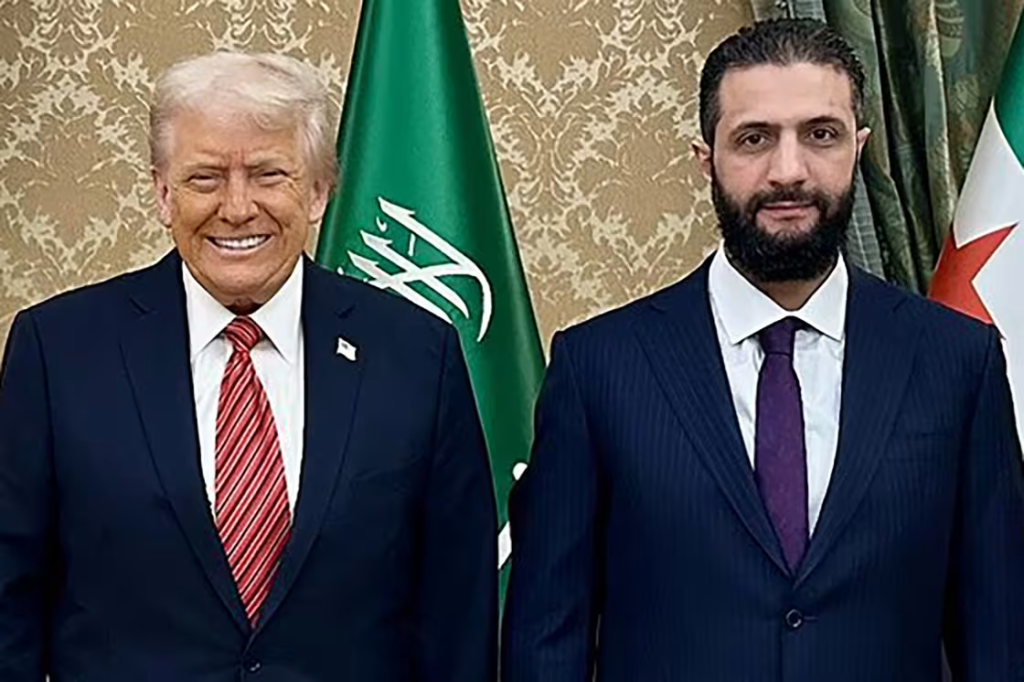
Experts say the trip signals a high level of trust from Washington. “A high-level sign of the trust that the American administration has placed in al-Sharaa,” said Burcu Ozcelik of the Royal United Services Institute, noting hopes that he can hold Syria together through a volatile transition.
A Turning Point
Al-Sharaa rose to power after leading HTS in the overthrow of Assad last December. Since then, he has attempted a sweeping image overhaul, swapping fatigues for suits and promoting a vision of national unity across Syria’s religious and ethnic divides.
Trump’s approach has dramatically accelerated Syria’s return to the international stage. The U.S. removed HTS from its terrorist designation list and dropped the bounty on al-Sharaa before rolling back further sanctions following a May meeting between Trump and the Syrian leader in Saudi Arabia.
Though al-Sharaa addressed the U.N. General Assembly in New York in September, the White House visit marks Syria’s most significant diplomatic breakthrough in decades.
Still, challenges remain. Al-Sharaa faces a deeply divided country, a resurgent ISIS threat, complicated relations with Israel, and Russia’s ongoing efforts to maintain influence in Syria while giving haven to Assad.
Syria continues to experience violence, including deadly attacks linked to government forces. Tensions with Kurdish authorities have escalated into clashes in the northeast.
“He’s certainly being very smart,” said former British diplomat John Jenkins. “A trip to D.C. makes him look respectable — but the key issues are domestic.”
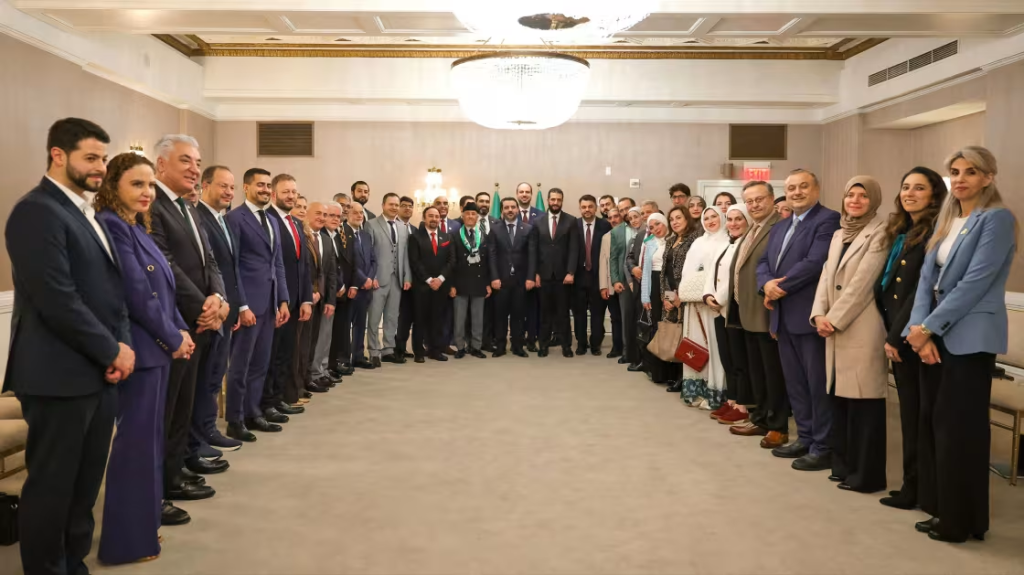
Within Syria, reactions to al-Sharaa remain mixed. Some, like political activist Sami Zain Al-Din of Sweida, argue he “does not represent the Syrian people.” Others, like Dr. Jalnar Hamad, hope his diplomacy could bring development and reconstruction to long-neglected regions.
Ilham Ahmed of the Syrian Democratic Council called the Trump meeting “an opportunity to redefine the position of the new Syrian state,” emphasizing the importance of protecting Kurdish rights and honoring coalition partnerships against ISIS.
Sanctions and Regional Dynamics
Al-Sharaa is seeking the removal of remaining U.S. sanctions imposed during Assad’s rule. Analysts note that since May, sanctions have been lifted at an unusually rapid pace. Karam Shaar, a Syria analyst, said two major sanctions — Syria’s designation as a “state sponsor of terrorism” and provisions of the Caesar Act — may soon be lifted.
Secretary of State Marco Rubio announced Monday that Syria had received another waiver under the Caesar Act, which once severely restricted economic engagement with Assad’s regime.
Beyond sanctions, discussions between Trump and al-Sharaa are expected to include ISIS, Israeli-Syrian tensions, and the possibility of Syria joining the Abraham Accords. Trump has hinted he hopes Syria might ultimately normalize relations with Israel, though Syria has historically refused to recognize the country and remains in a technical state of war since 1948.
Israel continues to launch airstrikes inside Syria targeting Iran-linked positions. Even after Assad’s fall, Israeli forces have conducted operations along a U.N.-patrolled buffer zone. Syria has so far avoided retaliatory strikes, though both sides have kept communication channels open.



Post Comment