You Won’t Believe How The “Perfect” Female Body Has Completely Changed Over 100 Years!
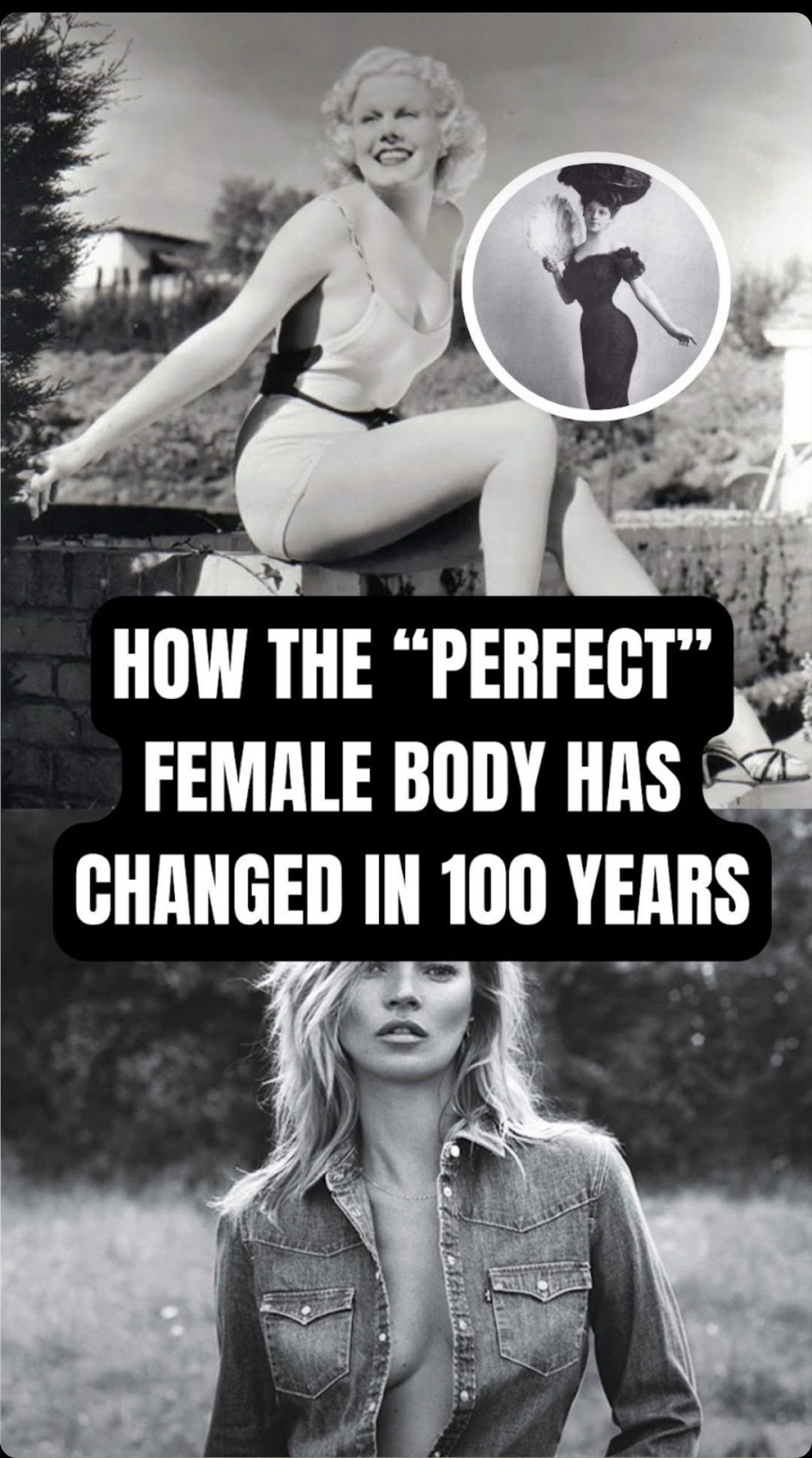
The idea of the “perfect” female body has been a moving target for over a century—constantly reshaped by culture, fashion, and society’s shifting values. What was once celebrated as ideal can seem downright shocking today. From corseted hourglasses to ultra-thin waifs and back to curves, these ever-changing standards reveal more about our times than about real beauty. Ready to see how wildly different the “perfect” body has looked through the decades? Let’s dive into this fascinating, surprising journey.
1. Camille Clifford and the Victorian Hourglass Ideal
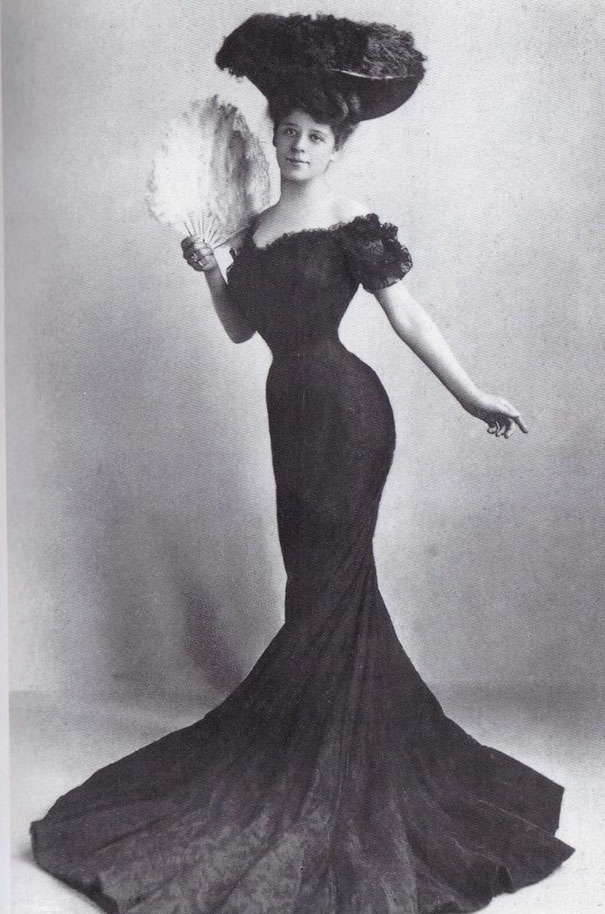
In the early 1900s, Camille Clifford epitomized the Victorian and Edwardian fascination with the hourglass figure. Known as the “Gibson Girl,” Camille’s tightly corseted waist, full bust, and wide hips defined the era’s beauty standard. Women were expected to accentuate their curves dramatically, often at great physical cost.
This silhouette symbolized femininity and social status, reflecting a time when women’s roles were rigidly prescribed. The hourglass was a powerful visual statement, but one that demanded sacrifice, as corsetry restricted movement and affected health.
2. Alice Joyce: Beauty Standards in Early Hollywood
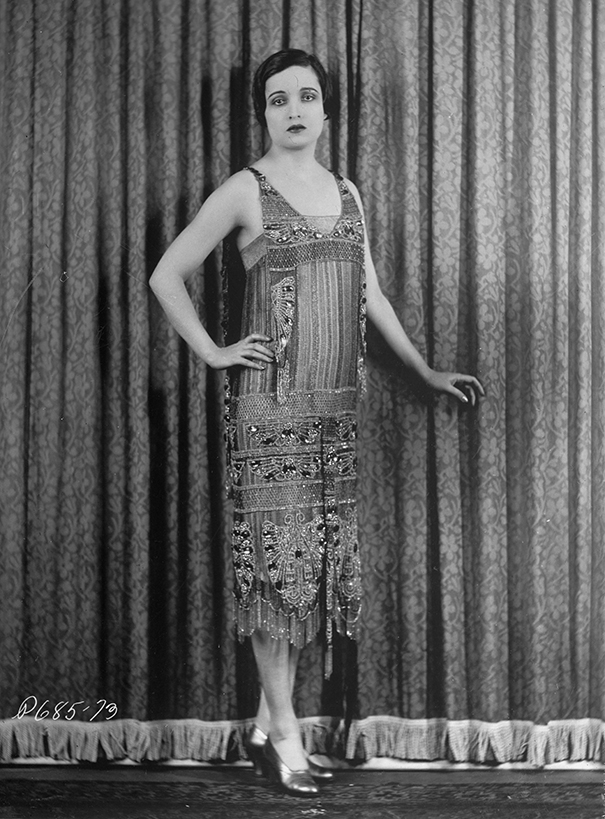
As the silent film era flourished, Alice Joyce became one of the first Hollywood actresses to embody a new kind of beauty—softer, yet still graceful. Her slender yet feminine figure reflected a subtle shift from Victorian excess to a more natural elegance.
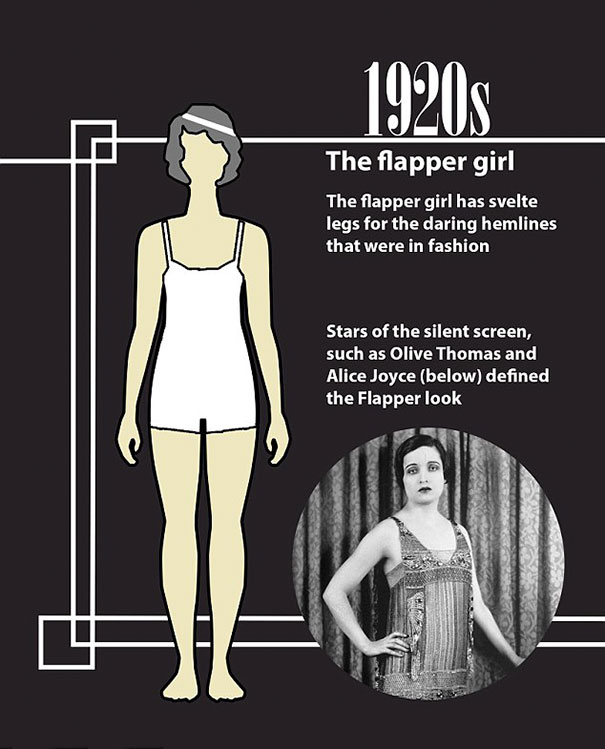
Alice’s presence on screen helped popularize a look that balanced curves with delicate refinement, setting the stage for the evolving ideals of the silver screen. The public began embracing a style that was glamorous but approachable, a trend that would gain momentum as cinema’s influence grew.
3. Jean Harlow: The Glamour of the 1930s
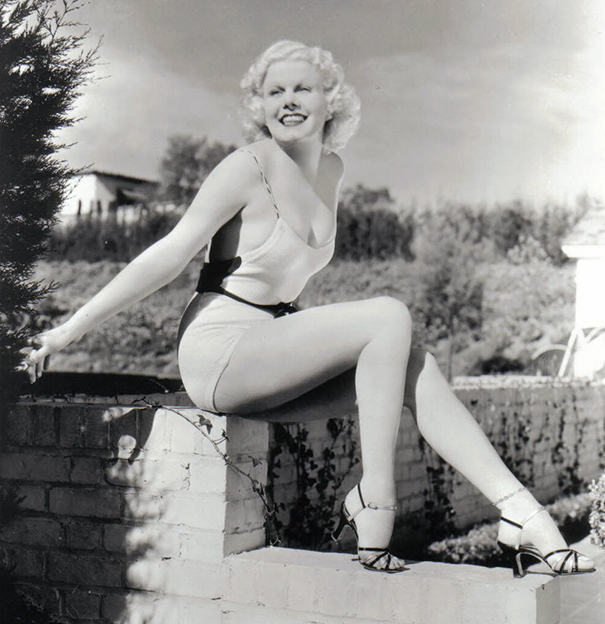
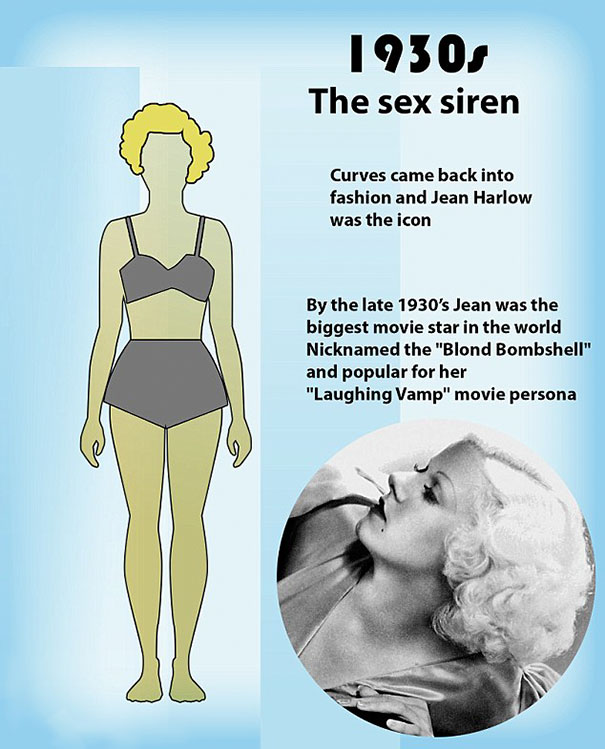
Jean Harlow, often hailed as the original “blonde bombshell,” defined 1930s glamour with her voluptuous curves and confident allure. Her image symbolized a bolder, more liberated kind of femininity that emerged during the Great Depression. Jean’s body type—a fuller bust and shapely figure—contrasted sharply with the flapper era’s slimness, emphasizing sensuality and strength. Hollywood’s golden age showcased women like Harlow as icons of desire, elevating curves as a sign of power and appeal.
4. The 1940s: Katharine Hepburn, Nancy Berg, and the Rise of Strong Femininity
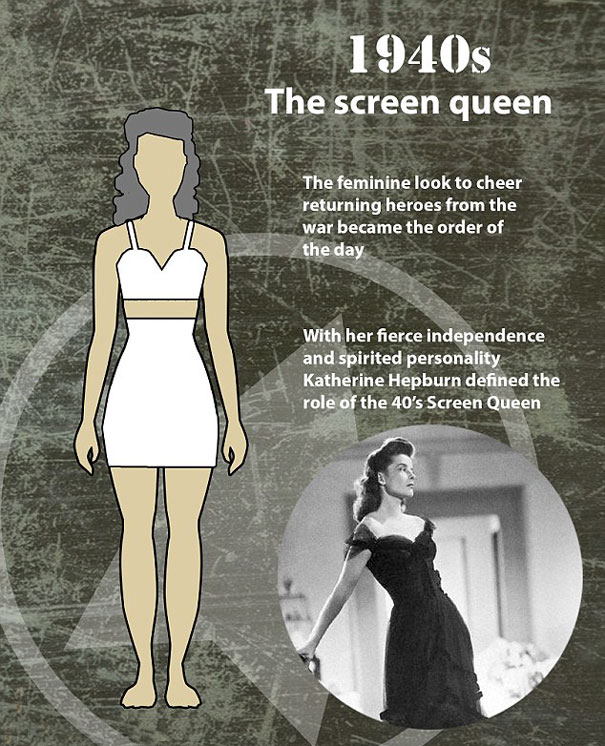
In the 1940s, Katharine Hepburn emerged as a symbol of a new female ideal defined by independence, strength, and sophistication. Breaking away from the era’s traditionally voluptuous figures, Hepburn favored a leaner, athletic silhouette, often donning tailored trousers and menswear-inspired fashions that challenged conventional notions of femininity.
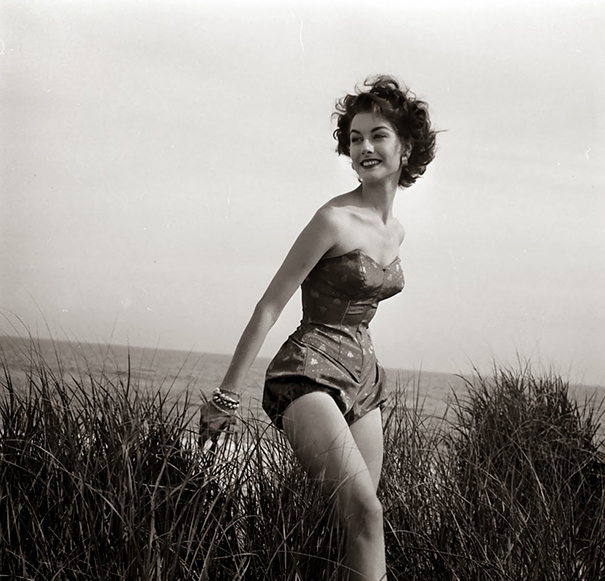
Her confident elegance reflected the shifting societal roles during World War II, as women entered the workforce and demanded greater autonomy. Alongside Hepburn, model Nancy Berg gained attention with her slender, statuesque look that further pushed beauty standards toward a more modern, less curvy ideal. Together, they helped reshape the perception of female beauty to include not only physical appearance but also intellect, strength, and self-assurance.
5. The 1950s: Elizabeth Taylor, Marilyn Monroe, and the Era of the Iconic Hourglass
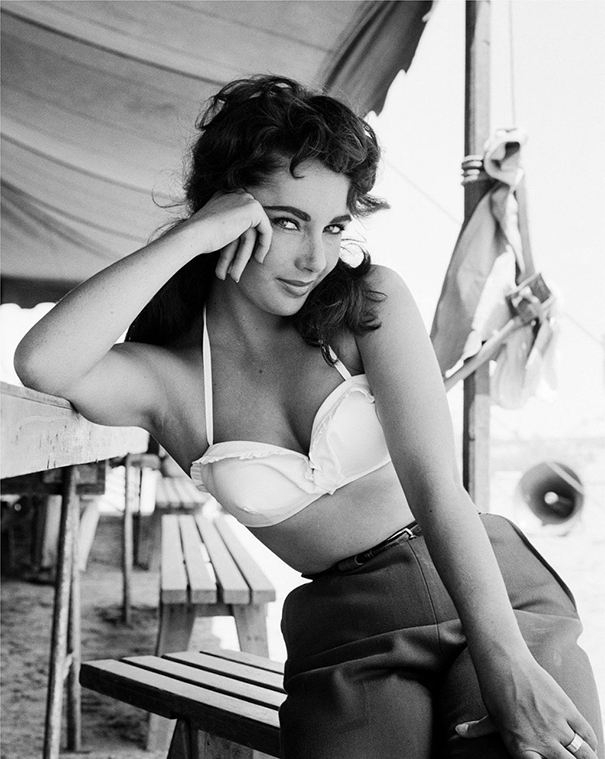
Elizabeth Taylor carried forward the hourglass legacy in the 1940s and 1950s with her famously voluptuous figure and striking presence.
The 1950s celebrated a return to opulence, softness, and classic feminine curves, with Elizabeth Taylor and Marilyn Monroe standing as the era’s ultimate beauty icons. Elizabeth Taylor dazzled with her striking eyes and voluptuous silhouette, embodying a glamorous and sensual ideal that captivated the world.
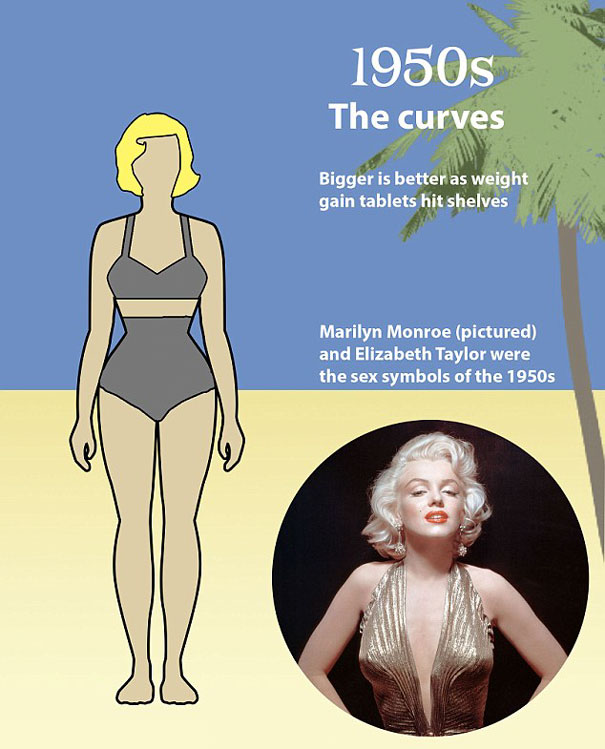
Alongside her, Marilyn Monroe became the epitome of the “bombshell” look—her fuller hips, tiny waist, and radiant charisma defined the quintessential hourglass figure that symbolized female desirability and allure. Together, they reinforced the cultural obsession with curves and femininity, marking the decade as a golden age for the celebration of bold, luxurious beauty.
5. Twiggy and the 1960s Boyish Silhouette
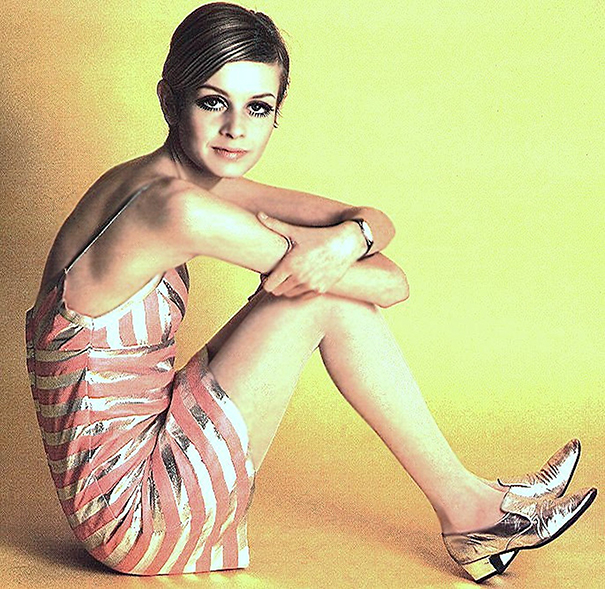
The 1960s brought a dramatic shift with the rise of Twiggy, the British supermodel whose ultra-thin, boyish frame defined an entirely new ideal. Twiggy’s waif-like figure—slim arms, flat chest, and androgynous style—challenged the voluptuous norms of previous decades. This era’s youth-driven culture celebrated rebellion, freedom, and experimentation, reflected in fashion and beauty. The “perfect” female body became more about slimness and attitude than curves, signaling a cultural revolution in women’s self-expression and identity.
6. Farrah Fawcett: The Iconic Curves of the 1970s
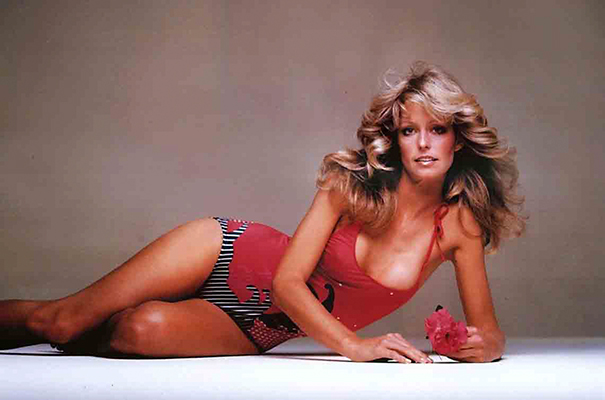
In the 1970s, Farrah Fawcett reignited the cultural fascination with healthy, athletic curves. Her toned, yet feminine body, coupled with her famous hairstyle and radiant smile, made her a symbol of vitality and sex appeal. Farrah’s look blended the softness of previous eras with the new fitness craze, encouraging women to embrace strength and wellness as components of beauty. This decade was about balance—curves with muscle, glamor with natural health.
7. Elle MacPherson: The Fit and Tall Supermodel of the 1980s
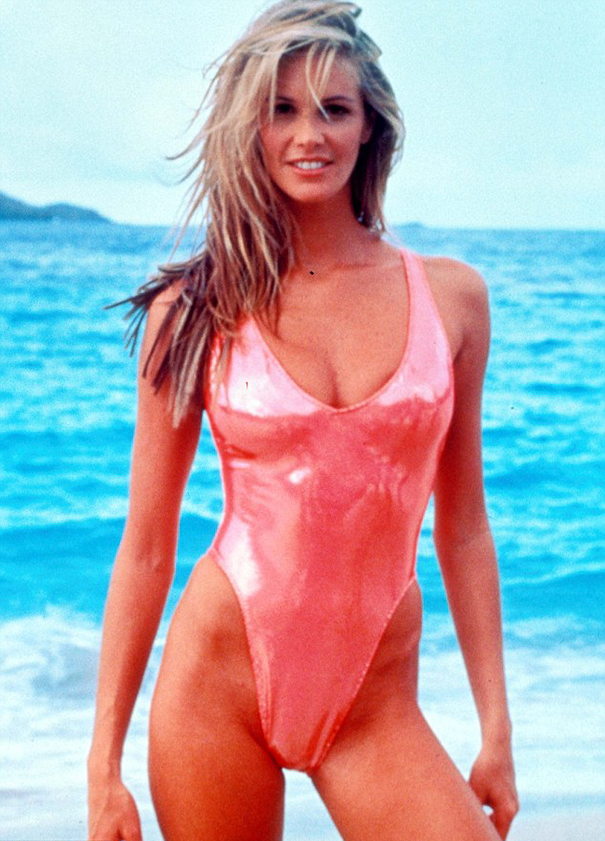
The 1980s fitness boom shaped beauty standards around strong, tall, and athletic women. Elle MacPherson, nicknamed “The Body,” epitomized this ideal with her statuesque figure, taut muscles, and healthy glow. Her runway success helped popularize an empowered, sporty aesthetic that celebrated physical fitness and endurance.
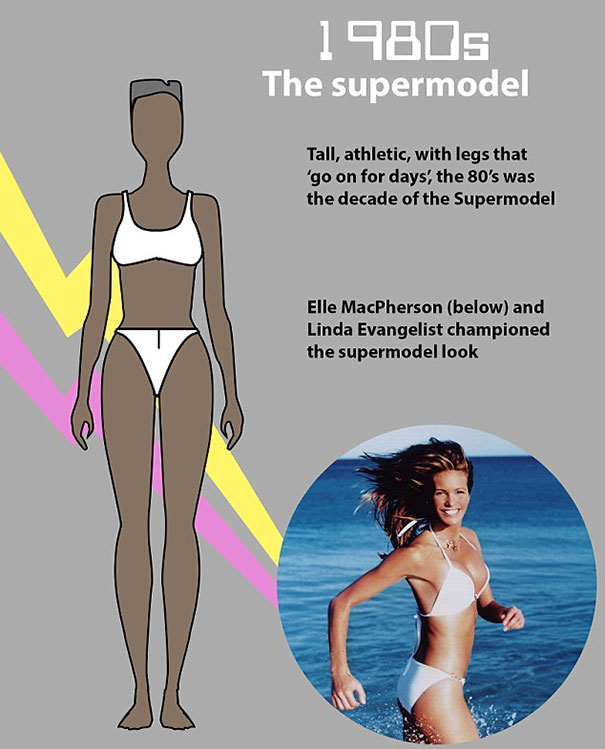
The perfect body was no longer just about curves or thinness but about strength and vitality, reflecting broader social changes emphasizing women’s active roles and independence.
8. Kate Moss: The ‘Heroin Chic’ Look of the 1990s
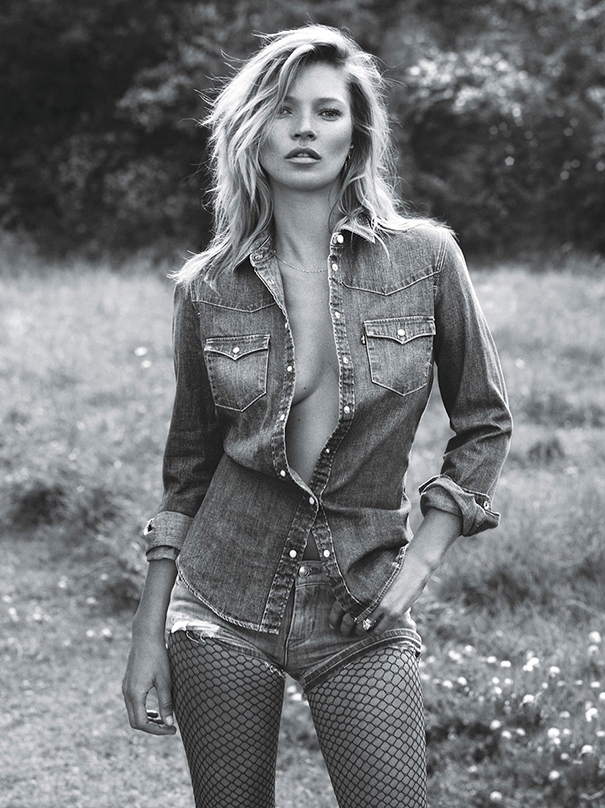
The 1990s shocked the fashion world with the “heroin chic” trend, led by supermodel Kate Moss. Her ultra-thin, pale, and angular figure marked a stark departure from the fitness ideals of the previous decade. The industry glamorized a fragile, almost waifish appearance that sparked both fascination and controversy. Kate’s look influenced an entire generation, embodying a raw, edgy aesthetic that redefined what it meant to be fashionable—though not without criticism for promoting unhealthy body images.
9. Christina Aguilera: The Curvy Pop Diva of the Early 2000s
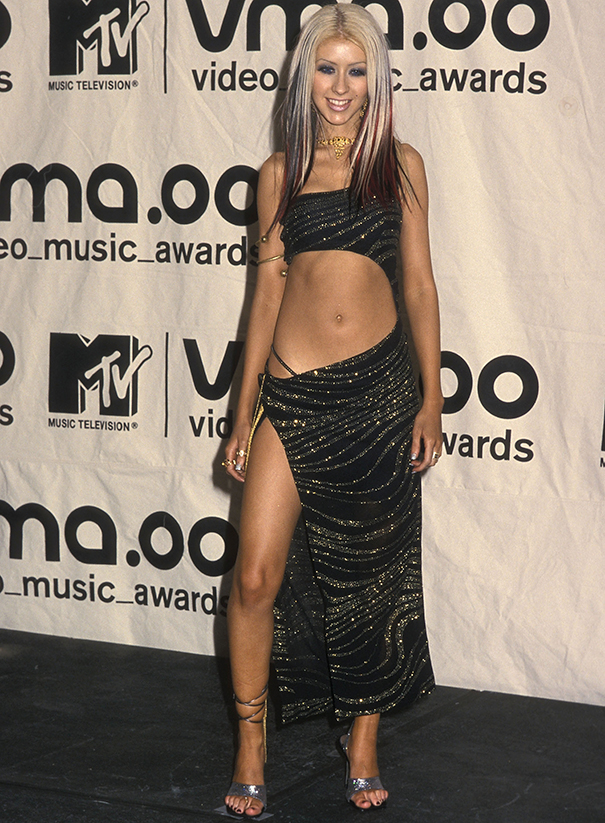
The early 2000s saw a resurgence of voluptuous curves, with pop stars like Christina Aguilera celebrating fuller figures and sex appeal. Christina’s confident, curvaceous image pushed back against the previous decade’s thinness obsession, emphasizing body positivity and self-expression. Her style and music empowered women to own their bodies and challenge narrow standards. This era embraced diversity in shapes and celebrated sensuality, blending empowerment with entertainment.
10. Kim Kardashian and the Curvy Revolution of the 2010s
The 2010s marked a dramatic shift in beauty standards with the rise of Kim Kardashian and the celebration of voluptuous, curvy figures. Moving away from the ultra-thin ideals of the ’90s and early 2000s, Kim popularized a body type characterized by a small waist, fuller hips, and an emphasis on curves. Her influence was so powerful that it sparked a global trend often dubbed the “curvy revolution,” inspiring many women to embrace and enhance their natural shapes.
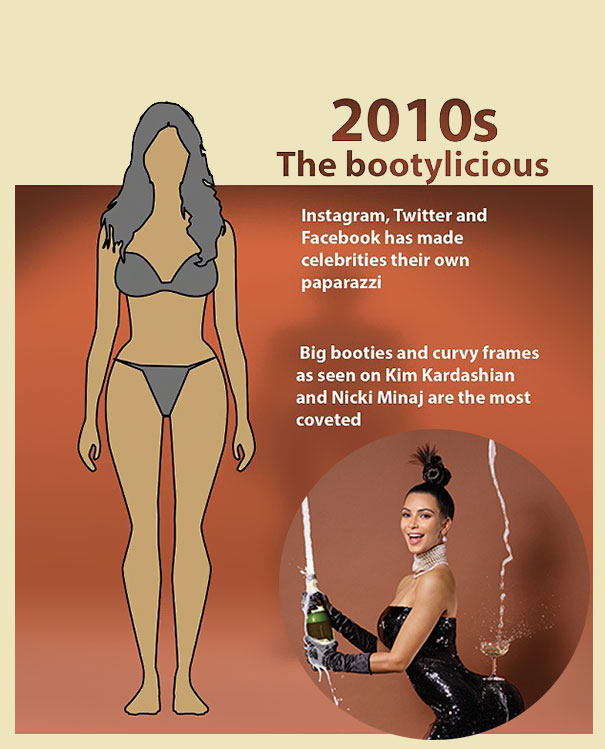
Kim’s public image, amplified by social media, redefined what was considered sexy and desirable, challenging previous norms and making curves mainstream. This era encouraged body positivity while also raising complex conversations about body modification, self-image, and cultural diversity. Nonetheless, Kim Kardashian’s impact on the 2010s beauty ideal remains undeniable, marking a significant chapter in the evolving story of the “perfect” female body.
Watch real women showcase how beauty standards have evolved through the decades—this refreshingly honest video celebrates style, confidence, and authenticity across generations!